A sensory resistance tunnel can turn crawling into a calming, engaging activity for kids who need movement, pressure, or structured sensory play.
Below, we’ve focused on durable, kid-friendly options that balance comfort, size, and ease of use for home, classroom, and therapy settings.
Best 10 Sensory Resistance Tunnel Picks for 2026
Deep-Pressure Pick
10Ft Sensory Compression Tunnel for Kids

- 118-inch length supports crawling, hiding, and stretching
- Stretch fabric provides gentle full-body compression
- Includes handles, carrying bag, and machine-washable design
Best For: Kids who enjoy deep-pressure sensory play and active indoor movement
Durable Classroom Choice
Super Sensory 6' Institutional Tunnel

- Built for cooperative play and motor-skill development
- Mesh windows improve airflow and visibility
- Super-stitched seams add durability
Best For: Classrooms and therapy spaces that need a sturdy group-play tunnel
Baby-Friendly Pop-Up Pick

- Safe for 12+ months and toddler-friendly
- Pop-up setup folds flat for storage and travel
- Soft, breathable fabric suits indoor or outdoor play
Best For: Babies and toddlers who need a roomy, portable crawl tunnel
Compression Play Option
Sensory Tunnel for Kids in Spandex

- Built for sensory compression exploration
- Supports gross motor skill development
- Breathable, non-restrictive design
Best For: Teachers and parents who want a simple compression-based sensory tunnel
Therapy Pick
Spandex Sensory & Compression Crawl Tunnel
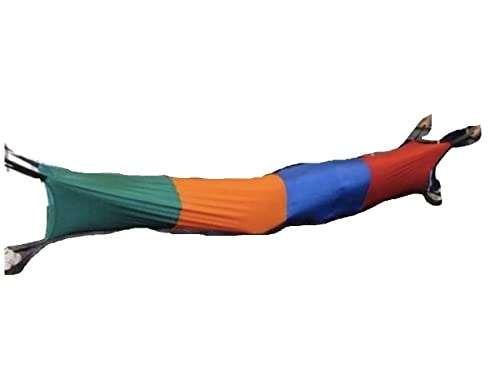
- Four-way stretch spandex fabric
- Available in 9-foot or 12-foot lengths
- Machine washable and no assembly required
Best For: Older kids who need calming deep pressure and crawl-through sensory play
2-in-1 Pick
Foldable Tunnel and Sensory Play Mat Set
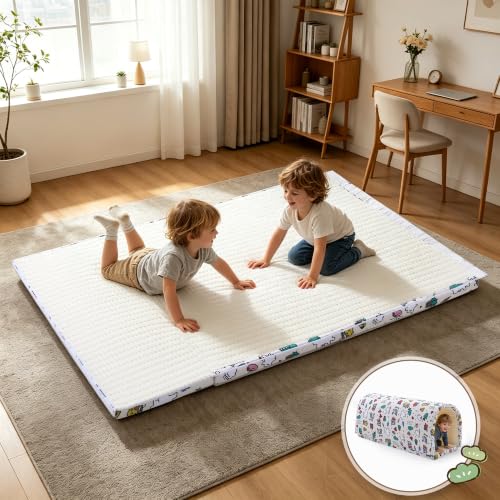
- Transforms from play mat into crawl tunnel
- High-density foam with soft durable cover
- Foldable design for easier storage
Best For: Toddlers, daycare, and sensory rooms needing a soft 2-in-1 play set
Extra-Long Adventure Pick

- 6 ft crawl space for active play
- Pop-up setup with included carry case
- Breathable mesh panels for airflow and visibility
Best For: portable indoor-outdoor sensory and movement play
Colorful Resistance Tube Pick

- 12 ft stretchable crawl tube
- Washable, foldable fabric for storage
- Double-stitched with fastening straps
Best For: crawling, motor-skill practice, and group sensory play
Space-Themed Sensory Tube Pick

- 12 ft crawl tube with space-themed colors
- Washable, foldable soft fabric
- Supports balance, coordination, and muscle strength
Best For: toddlers who need long sensory movement play
Deep-Pressure Pick – 10Ft Sensory Compression Tunnel for Kids
If you’re shopping for a sensory resistance tunnel that blends active play with calming input, this 10-foot compression tunnel is built for that purpose. The stretchy design gives kids a hug-like, full-body experience while still leaving plenty of room to crawl, stretch, and explore.
Best For: Kids who benefit from deep-pressure sensory play, indoor movement, and a portable tunnel for home, therapy, or classrooms.
Pros:
- Extra-long 118-inch length for crawling, hiding, rolling, and shared play
- Soft, breathable stretch fabric offers comforting tactile and proprioceptive feedback
- Two woven handles on each end support pulling, dragging, and creative movement play
- Reinforced double-stitched seams, machine washable build, and carrying bag included
Cons:
- Designed for kids ages 3+, so it isn’t a toddler-safe option for younger babies
- Large size may take more floor space than shorter tunnels
- Best suited to children who enjoy compression-style sensory input rather than open tunnels
Overall, this is a strong choice if you want a sensory resistance tunnel that emphasizes calming pressure as much as movement. Its length, soft fabric, and easy storage make it practical for everyday sensory play.
Durable Classroom Choice – Super Sensory 6' Institutional Tunnel
This sensory resistance tunnel is aimed at cooperative play and motor-skill development, with a sturdy institutional-style build. The 6-foot size, mesh windows, and streamers add visual interest while keeping the tunnel practical for group use.
Best For: Classrooms, therapy rooms, or families who want a durable tunnel for cooperative play and sensory stimulation.
Pros:
- Promotes cooperative play and helps develop motor skills and strength
- Mesh windows provide ventilation and easier viewing
- Multi-colored streamers add sensory stimulation and visual appeal
- Super-stitched seams and polyester construction support durability
Cons:
- Assembly is required
- At 16 ounces, the lightweight build may feel less substantial than framed play tunnels
- Less focused on compression than spandex-style sensory tunnels
If durability and group play matter most, this tunnel is the most classroom-oriented option in the lineup. It’s a straightforward pick for active sensory use where ventilation and sturdy seams are priorities.
Baby-Friendly Pop-Up Pick – Extra-Large 6Ft Crawl Tunnel
For families looking for a sensory resistance tunnel for younger children, this extra-large pop-up crawl tube is designed with babies and toddlers in mind. It offers a roomy crawling space, soft fabric, and quick setup for indoor or outdoor play.
Best For: Babies and toddlers 12 months and up who need a spacious, portable tunnel for crawling and sensory exploration.
Pros:
- Certified safe for 12+ months, younger than many competing tunnels
- Extra-large 6-foot size gives toddlers more space to crawl and explore
- Pop-up design unfolds in seconds and folds flat for easy storage
- Soft, breathable, tear-resistant fabric supports everyday play
Cons:
- Less focused on deep compression than spandex-style sensory tunnels
- Single-tunnel design may feel basic for kids who want a more elaborate play setup
- Best for younger children, so older kids may outgrow it quickly
This is a practical pick if you need a crawl tunnel that works well for younger kids and stores easily. Its baby-friendly age rating and simple pop-up format make it especially convenient for daily use.
Compression Play Option – Sensory Tunnel for Kids in Spandex
If you want a sensory resistance tunnel focused on compression play, this spandex-style option is built to deliver that snug, movement-based experience. It’s designed to encourage active exploration while still giving kids a breathable, non-restrictive place to play.
Best For: Families and teachers looking for a simple sensory tunnel that supports compression play and gross motor development.
Pros:
- Designed around sensory compression exploration
- Supports gross motor skill development through active play
- Breathable, non-restrictive fabric aims to keep play comfortable
- Works for both home use and educator-led sensory activities
Cons:
- Size is listed as small, so it may not suit bigger kids
- No added handles, carrying bag, or extra play features are listed
- Simple design may feel less feature-rich than longer tunnel models
This is the most straightforward compression-focused tunnel in the group. It makes sense for buyers who want the sensory benefits first and don’t need extra accessories or oversized dimensions.
Institutional Pick – 9-Foot D Style Crawl Play Tunnel
If you want a classic sensory resistance tunnel for active indoor play, this 9-foot crawl tunnel leans into simple construction and sensory-friendly details. The polyester build, super-stitched seams, mesh windows, and multicolored streamers make it a practical option for crawling and visual stimulation.
Best For: Kids ages 3 to 8 who need a long, colorful crawl tunnel for sensory play or group activity.
Pros:
- 9-foot length gives kids plenty of room to crawl through.
- Mesh windows and streamers add visual sensory interest.
- Polyester construction with super-stitched seams is built for longevity.
- Supports indoor active play with a straightforward tunnel design.
Cons:
- Assembly is required.
- The long tunnel size may take up significant floor space.
- Designed as a basic crawl tunnel rather than a multi-use play system.
This is a strong pick if you want a durable, no-frills sensory resistance tunnel with a familiar crawl-through format. Its size and visual elements make it well suited to playrooms, classrooms, and institutional settings.
Therapy Pick – Spandex Sensory & Compression Crawl Tunnel
This sensory resistance tunnel is made for crawling, stretching, and calming deep pressure play. The four-way stretch spandex fabric and 18-inch diameter give it a flexible feel for therapy-style activities, games, and sensory input at home or indoors.
Best For: Older kids and therapy use where stretch, compression, and calming sensory input matter.
Pros:
- Four-way stretch spandex supports crawling and compression play.
- Available in 9-foot or 12-foot lengths.
- Machine washable for easier care.
- No assembly required and no batteries needed.
Cons:
- Indoor use only.
- Spandex material may feel less structured than rigid-frame tunnels.
- Best suited to users who want a therapy-focused tunnel rather than a classic play tunnel.
For families or settings that want a more body-focused sensory resistance tunnel, this model stands out for its stretch fabric and calming use case. It is a practical choice when deep pressure and tactile input are part of the goal.
2-in-1 Pick – Foldable Tunnel and Sensory Play Mat Set
If you want a sensory resistance tunnel that does more than crawl duty, this 2-in-1 set converts from a soft play mat into a tunnel. The foam construction, foldable design, and large footprint make it a flexible option for toddlers in playrooms, daycare spaces, and sensory rooms.
Best For: Toddlers and indoor play areas that need a soft tunnel and mat in one space-saving set.
Pros:
- Converts from a 79″ x 59″ play mat into a crawl tunnel.
- Thick high-density foam adds a cushioned feel.
- Foldable design makes storage and moving easier.
- Large enough for multiple kids to use together.
Cons:
- Not designed for outdoor use.
- Bulkier than a simple fabric tunnel.
- Best suited to floor-based play areas with enough room to spread out.
This is a smart pick if you want one piece that can serve as both a crawling tunnel and a soft sensory mat. It works especially well where comfort, versatility, and easy storage matter.
Extra-Long Adventure Pick – 6 Ft Kids Play Tunnel
If you want a sensory resistance tunnel that is easy to set up and easy to move, this 6 ft pop-up tunnel is a straightforward option. The extra-long design gives kids room to crawl, hide, and burn energy, while the mesh panels help keep airflow moving and allow parents to keep an eye on play.
Best For: Toddlers and kids who need a portable tunnel for active indoor-outdoor play, obstacle courses, or simple sensory movement activities.
Pros:
- 6 ft length gives kids more crawl space for active play.
- Pop-up design opens in seconds and folds flat for storage.
- Breathable mesh panels improve airflow and visibility.
- Includes a carry case for travel and quick cleanup.
Cons:
- Balls are not included.
- Best suited to children age 36 months and up.
Overall, this tunnel is a practical choice if you want a simple sensory play piece that supports movement without requiring assembly. Its portability and quick setup make it especially useful for daily home use, playdates, or trips to the park.
Colorful Resistance Tube Pick – 12 Ft Shappy Sensory Tunnel
This 12 ft sensory resistance tunnel is built for crawling, stretching, and push-and-pull play, with a soft fabric body that can be washed and folded when playtime is over. The longer tube shape and stretchable material make it a strong fit for kids who benefit from active sensory input and coordinated movement.
Best For: Kids who want a long, stretchable sensory tunnel for crawling games, motor-skill practice, and group play indoors or outdoors.
Pros:
- 12 ft length creates a long crawl-through play experience.
- Soft, stretchable fabric is washable and foldable for easy storage.
- Double stitching and fastening straps add sturdiness.
- Supports crawling, kneeling, balance, coordination, and social play.
Cons:
- Listed age range details are inconsistent in the supplied information.
- Fabric tube design may need more floor space than a standard pop-up tunnel.
As a sensory resistance tunnel, this model stands out for its long format and elastic feel, which can make movement play more engaging. It is a good pick if you want a durable, washable tunnel that can be used repeatedly for active play and social interaction.
Space-Themed Sensory Tube Pick – 12 Ft Shappy Play Tunnel
If you are comparing a sensory resistance tunnel for toddlers, this 12 ft Shappy tube offers the same long crawl-through format with a three-color space theme. The soft, washable fabric is designed to handle pushing and stretching, and the foldable build makes storage simple when the tunnel is not in use.
Best For: Toddlers who need a long sensory tunnel for crawling, stretching, and movement play with a playful space-themed look.
Pros:
- 12 ft length provides plenty of room for crawling and stretching.
- Soft fabric is washable, foldable, and made for repeated use.
- Double stitching and fastening straps are designed for safer play.
- Helps develop balance, coordination, muscle strength, and social skills.
Cons:
- The listed age range is broader than the product title suggests.
- Like other tube-style tunnels, it may require more floor space than a compact pop-up tunnel.
This is a solid option if you want a longer sensory tunnel with a slightly more playful theme and toddler-friendly movement benefits. It makes the most sense for families or therapy-style play setups that prioritize crawling, coordination, and easy storage.
How We Picked the Best Sensory Resistance Tunnel
We looked for a mix of tunnel length, material quality, portability, and sensory-friendly design. The best Sensory Resistance Tunnel options should feel sturdy enough for repeated use, yet flexible enough to support crawling, compression, and active play. We also favored choices that suit different ages and spaces, from compact indoor playrooms to larger therapy or classroom setups.
Quick Comparison
Shorter pop-up tunnels are usually easiest for toddlers and casual indoor play, while longer fabric or institutional-style models give more room for crawling games, obstacle courses, and sensory input. Compression-style tunnels are a better fit when gentle resistance and body awareness are the goal. If you want versatility, look for a model that can work as both a play tunnel and a sensory tool.
Key Buying Factors for a Sensory Resistance Tunnel
Size and Length
Think about who will use it most. A 6-foot tunnel is often enough for younger children, while 9- to 12-foot options provide more movement and a stronger sensory experience. Wider diameters can feel less intimidating and make crawling easier for children who are still building confidence.
Material and Resistance
Spandex and compression-style fabrics offer more tactile feedback and body input, which may be helpful for sensory-seeking kids. Pop-up tunnels are typically lighter and easier to store, but they may provide less resistance. For heavier use, check whether the tunnel is reinforced and designed to hold its shape through repeated crawling.
Portability and Setup
Foldable and collapsible designs are best if you need to move the tunnel between rooms or take it outdoors. If the tunnel will stay in one place, stability and durability may matter more than quick setup.
Age and Use Case
Match the product to the child’s needs. Toddlers usually do best with soft, simple tunnels, while older kids may benefit from longer resistance tunnels for obstacle courses, therapy sessions, or more intense sensory play.
Who Should Buy Which Sensory Resistance Tunnel?
Choose a Sensory Resistance Tunnel for toddlers if you want a simple movement toy that supports crawling and exploration. Pick a longer compression tunnel if your child needs deeper sensory input, more challenge, or calming pressure. For classrooms, therapy spaces, or families with multiple children, a larger institutional-style tunnel is usually the most versatile choice. If storage and convenience matter most, a pop-up tunnel is the easiest place to start.
Overall, the best choice comes down to your child’s age, sensory needs, and how much space you have. A well-matched tunnel can support active play while also encouraging regulation, coordination, and confidence.