Finding the right gift after an autism diagnosis is really about showing support in a way that feels helpful, respectful, and practical. The best gifts can reduce stress, support routines, and create more calm at home.
These gift ideas for families after autism diagnosis focus on comfort, sensory regulation, communication, and simple everyday wins for both kids and caregivers.
18 Gift Ideas for Families After Autism Diagnosis to Consider in 2026
Calming Sensory Comfort
Harkla Weighted Lap Pad for Kids, 5lb

- Weighted lap pad designed for calming sensory input
- Machine-washable premium minky dotted fabric
- Practical comfort gift for home, travel, or quiet time
Best For: Children or teens who may need calming input after an autism diagnosis.
Quiet Support on the Go
Dr.meter Noise Cancelling Headphones for Kids

- Noise-reduction earmuffs for sound-sensitive kids
- Useful for outings, appointments, and busy transitions
- Large review base and kid-focused autism sensory fit
Best For: Children sensitive to sound during busy or overwhelming situations.
Routine and Transition Support
ALSLEA Visual Schedule for Kids with Autism

- Visual schedule board for predictable daily routines
- Includes 124 cards for flexible home or classroom use
- Helps kids understand what comes next
Best For: Families building structure and smoother transitions after a diagnosis.
Communication Cue Cards
Amonev Special Needs Communication Cards
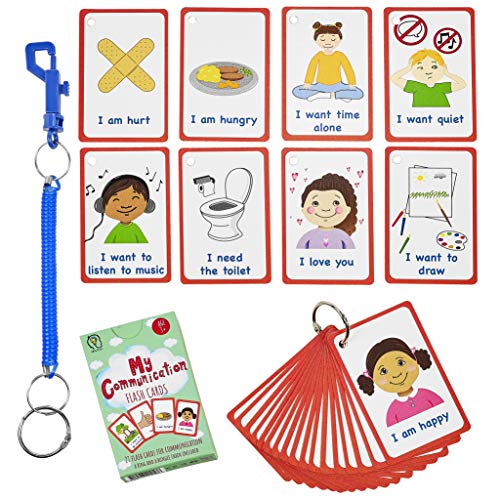
- Flashcards for speech delay and non-verbal communication support
- Helpful for early communication and daily requests
- Compact visual aid for special education or home use
Best For: Families supporting communication, emotional expression, or simple requests.
Budget Sensory Fidget Set
35-Piece Simple Fidget Toys Pack

- Affordable sensory fidget pack for kids and adults
- Useful for transitions, travel, or quiet time
- Strong review count and solid 4.6 rating
Best For: Families wanting a budget-friendly way to keep hands busy after an autism diagnosis.
Calming Indoor Swing
Harkla Sensory Swing for Kids & Adults
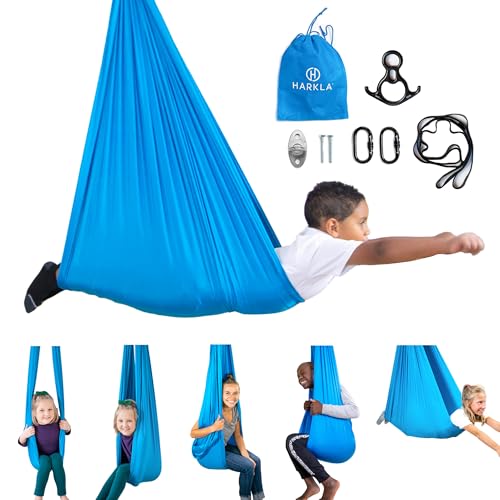
- Indoor swing with a hug-like calming effect
- Made for kids and adults with heavy-duty hardware
- Premium-feeling pick for a soothing home play space
Best For: Families creating a calming sensory area at home.
Movement Break Trampoline

- Mini trampoline for active sensory input at home
- Supports safe movement breaks for kids
- Trusted, kid-friendly gift with broad buyer appeal
Best For: Kids who need active movement breaks and sensory input indoors.
Cozy Hideaway Play Tent
UTEX 3-in-1 Pop Up Play Tent with Tunnel
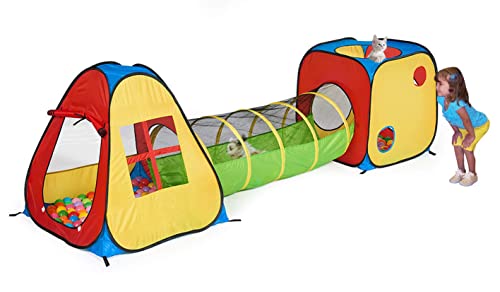
- Enclosed play space with tunnel and hiding spots
- Supports low-pressure play and self-regulation
- Neutral style with strong review strength
Best For: Toddlers and young kids who enjoy cozy, calming play spaces.
Calming Bedtime Glow
Ocean Light Projector for Calming Sensory Play

- Projects soothing ocean ripple effects onto walls and ceilings.
- Adds a calming visual element for bedtime or quiet corners.
- A thoughtful sensory gift for children and adults after diagnosis.
Best For: Families wanting a soothing light for bedtime, downtime, or sensory spaces.
Discreet Chew Support
Sensory Chew Necklaces, 6-Pack

- Supports oral sensory needs with a discreet everyday design.
- 6-pack makes it practical for home, school, and travel.
- A useful gift for kids who chew or fidget for comfort.
Best For: Children, teens, or adults who need oral sensory input and a portable chew option.
Smoother Transitions
Digital Visual Timer for Routines and Transitions

- Helps make routines, transitions, and turn-taking feel calmer.
- Silent, rechargeable design fits home, classroom, or therapy use.
- Useful for homework, bedtime, and other daily time boundaries.
Best For: Families who need a simple way to support schedule changes and daily routines.
Feelings and Regulation Practice
Feelings Pocket Chart with 36 Emotion Cards

- Helps children label emotions and practice communication.
- Includes 36 cards for social-emotional learning and regulation.
- Works well for calm-down corners, homeschooling, or therapy spaces.
Best For: Families helping a child build emotional labeling and communication skills.
Social Story Support
All My Stripes: A Story for Children with Autism

- A thoughtful social story book for children with autism.
- Helpful for preparing for new experiences and changes.
- A highly rated, broadly giftable choice for families after diagnosis.
Best For: Families looking for a supportive book gift after an autism diagnosis.
Thoughtful Everyday Gift
Weighted Plush Sloth Anxiety Stuffed Animal

- A weighted stuffed animal that combines comfort and sensory input.
- Child-friendly plush format with a calming, anxiety-focused feel.
- A strong gift choice for kids or adults who like soothing tactile items.
Best For: Families wanting a comforting sensory gift after an autism diagnosis.
Bath Routine Play
Toddler Bath Toys Stack, Scoop & Pour Set

- A bath sensory play set with stack, scoop, and pour pieces.
- Makes bath time more interactive and engaging.
- Can help turn bath time into a more pleasant routine.
Best For: Toddlers and families looking for a playful bath-time routine gift.
Sensory Building Play
Jelly Blox Creative Kit Sensory Blocks
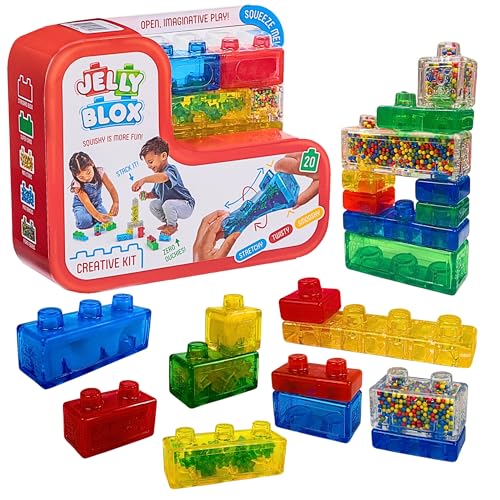
- Squeezable, stretchable blocks for hands-on sensory exploration
- Quiet, open-ended play that supports stacking and popping fun
- A versatile gift for calm focus and creative building at home
Best For: Families looking for a hands-on sensory toy that encourages quiet, focused play.
Calm Family Puzzle Time
Melissa & Doug Underwater Ocean Floor Puzzle

- Jumbo floor puzzle for screen-free shared play time
- Supports pattern recognition and low-pressure family interaction
- A classic, highly rated gift for calmer indoor activities
Best For: Families who want a shared activity that feels gentle, structured, and fun.
Tactile Sand Play
Amazon Exclusive Beach Sand Sensory Toy
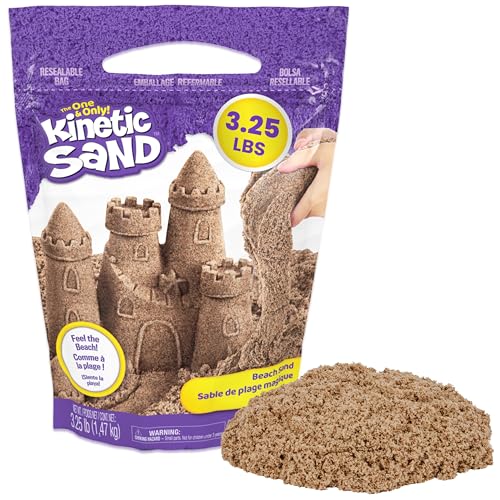
- Moldable play sand with a realistic texture for tactile play
- Keeps kids engaged with soothing, open-ended sensory activity
- A broad-appeal gift for creative at-home play and sensory bins
Best For: Kids who enjoy calming hands-on play with a soft, sand-like texture.
How to Choose the Right Gift for a Newly Diagnosed Family
The most helpful gift is usually the one that matches the child’s sensory profile, daily routine, and stage of adjustment. Some families need calming tools right away, while others may appreciate items that support play, communication, or smoother transitions. When browsing Gift Ideas for Families After Autism Diagnosis, think about whether the gift will be used every day or saved for specific moments like bedtime, travel, school prep, or emotional regulation.
Focus on Support, Not Assumptions
Autism is highly individual, so a gift that helps one child may feel overwhelming to another. Safer bets include tools that can be introduced slowly and used in flexible ways, such as visual supports, fidget options, weighted items, or quiet activities. If you know the family well, consider the child’s sensory preferences, favorite characters, and comfort objects before choosing.
Choose Gifts That Fit Real Routines
Practical gifts often get used more than novelty items. Visual schedules, timers, communication cards, and feelings charts can make mornings, meals, and transitions easier. Active sensory gifts like a swing, trampoline, or pop-up tent may help with regulation and play, while puzzles, blocks, and bath toys offer screen-free engagement that feels low-pressure.
Budget Considerations for Autism-Friendly Gifts
You do not need to spend a lot to give something meaningful. Small items like chew necklaces, simple fidget packs, or a book can be thoughtful and useful. Mid-range gifts such as sensory lights, visual timers, or weighted lap pads often hit a sweet spot between affordability and everyday value. If you’re shopping for a group gift, pooling money can make larger items like sensory swings or indoor play equipment more realistic.
It also helps to think in terms of long-term use. A gift that supports regulation or communication may be more valuable than a more expensive toy that is quickly outgrown. For families balancing therapy appointments, school changes, and new routines, usefulness often matters more than size or presentation.
Personalization Tips That Make Gifts Feel More Supportive
A personalized gift can feel especially caring when it reflects the child’s interests or the family’s current needs. Consider adding a handwritten note that recognizes the challenge of a new diagnosis without making it the focus. If appropriate, choose calming colors, neutral designs, or items that can blend into the home without feeling clinical.
You can also personalize by pairing items together. For example, a visual timer with a routine chart, or a weighted plush with a favorite book, creates a more complete support package. If the child uses AAC, speech supports, or visual communication, choose gifts that reinforce those tools rather than compete with them.
Last-Minute Buying Advice
If you are shopping close to a birthday, holiday, or support visit, prioritize gifts with fast shipping and broad usefulness. Calm-down tools, sensory toys, books, and routine supports are usually safe last-minute choices because they are easy to explain and simple to introduce. Look for items with clear age ranges, washable materials, and durable construction to reduce guesswork.
When time is short, a well-chosen gift card paired with one thoughtful sensory item can still feel personal. For many families, the best gifts are the ones that arrive with empathy, not pressure. That is what makes these Gift Ideas for Families After Autism Diagnosis so valuable: they can offer comfort, encourage connection, and help daily life feel a little more manageable.