The best sorting toys turn early learning into hands-on play, helping children practice colors, shapes, counting, matching, and fine-motor control.
This roundup compares 10 engaging options for babies, toddlers, and preschoolers, from first-block sets to Montessori-inspired animal, dinosaur, farm, and sensory activities.
Best 10 Sorting Toys Picks for 2026
Best Pretend-Play Sorting Toy
Farmer’s Market Color Sorting Set

- 25 play-food pieces with five colored baskets
- Builds color, counting, and food-recognition skills
- Supports toddler sorting and pretend market play
Best For: Toddlers who enjoy food-themed learning activities
Best First Sorting Toy

- Ten colorful blocks for sorting and stacking
- Shape-sorter lid introduces colors and shapes
- Bucket stores the blocks and includes a carry handle
Best For: Infants starting hands-on shape and color play
Best Montessori-Style Sorting Toy

- 36 animals and six bowls for color grouping
- Includes tweezers for fine-motor practice
- Adds counting, comparing, and sensory learning
Best For: Preschoolers practicing early math and hand control
Best Dinosaur Sorting Toy
Counting Dinosaurs Matching Game

- 48 dinosaurs with six rainbow sorting cups
- Tweezers support fine-motor and coordination practice
- Combines counting, matching, and color classification
Best For: Dinosaur-loving preschoolers ages 3 and up
Hands-On Math Pick

- 36 animals, six bowls, and two tweezers
- Supports counting, grouping, and color matching
- Includes a washable storage bucket
Best For: Preschool early-math and fine-motor practice
Calming Sensory Pick
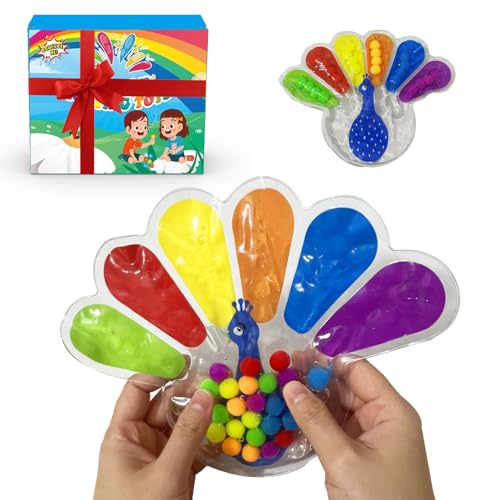
- Builds color recognition and sorting skills
- Provides tactile fine-motor activity
- Compact for travel and classroom use
Best For: Portable sensory and focus-oriented play
Imaginative Play Pick

- Features nine numbered barns and three wagons
- Combines sorting, counting, and train play
- Includes farm animals for role-play
Best For: Toddlers learning through farm-themed play
Colorful Dinosaur Counting Set
Dinosaur Sorting & Counting Kit

- 48-piece set with dinosaurs, bowls, and tweezers
- Practices counting, colors, grouping, and coordination
- Includes a portable transparent storage bucket
Best For: Preschool math practice and dinosaur-themed sensory play
Interactive Color Busy Book

- Covers 12 colors with 48-plus illustrated stickers
- Builds matching, fine-motor, vocabulary, and pre-reading skills
- Compact book format for shared indoor play
Best For: Toddlers learning colors through guided, portable activities
Multi-Theme Classification Set

- Includes eight themes and eight activity cards
- Supports classification, recognition, problem-solving, and fine-motor skills
- Storage bag helps with travel and organization
Best For: Flexible preschool sorting practice at home, school, or on trips
Best Pretend-Play Sorting Toy – Farmer’s Market Color Sorting Set
The Learning Resources Farmer’s Market Color Sorting Set combines sorting toys with pretend food play. Children can match 25 fruit and vegetable pieces to five colored baskets while practicing color recognition, counting, and food identification.
Best For: Toddlers 18 months and up who enjoy hands-on sorting and pretend kitchen or market play.
Pros:
- Includes 25 realistic play-food pieces and five sorting baskets.
- Supports color matching, counting, and food recognition.
- Soft, durable rubber-like plastic is sized for little hands.
- Can transition from basic sorting to imaginative farmers-market play.
Cons:
- The 31-piece set may require dedicated storage space.
- Its food theme may be less appealing to children who prefer shapes or animals.
This is a versatile sorting toy for families seeking one set that supports early learning while encouraging open-ended pretend play. The recommended age range begins at 18 months, making it suitable for young toddlers who are ready to explore colors and simple categories.
Best First Sorting Toy – Baby’s First Blocks
Fisher-Price Baby’s First Blocks is a simple introduction to sorting toys for infants. Babies can explore ten colorful blocks by sorting them through the shape-sorter lid, stacking them, or dropping them into the bucket.
Best For: Infants and toddlers ages 6 months and up beginning to explore colors, shapes, and cause-and-effect play.
Pros:
- Includes 10 blocks, a bucket, and a shape-sorter lid.
- Introduces basic colors and shapes through hands-on play.
- Encourages fine-motor development and problem-solving.
- All blocks fit inside the bucket for convenient storage.
Cons:
- Offers fewer pieces and sorting categories than larger preschool sets.
- The basic design is aimed at introductory rather than advanced sorting practice.
For a baby’s first sorting toy, this set prioritizes simplicity and easy handling. The carry handle also makes it practical for take-along play, while the manual design requires no batteries.
Best Montessori-Style Sorting Toy – Counting Animals Set
This counting-animal set expands sorting toys into early math and fine-motor activities. Children can group 36 colorful animals into six bowls, use the tweezers, and practice counting, comparing, and color identification.
Best For: Preschoolers ages 3 to 5 who are ready for counting, color sorting, and tweezer-based motor practice.
Pros:
- Includes 36 animals, six sorting bowls, and two tweezers.
- Supports counting, sorting, color recognition, and comparison.
- Tweezers encourage grasping, hand strength, and hand-eye coordination.
- Washable rubber material is designed for repeated use.
Cons:
- The small pieces require supervision around younger children.
- Its preschool-focused activities may be too advanced for infants and young toddlers.
This is a strong choice when sorting practice needs to include early math and fine-motor challenges. The storage box helps keep the many pieces together for use at home, in a classroom, daycare, or homeschool setting.
Best Dinosaur Sorting Toy – Counting Dinosaurs Matching Game
The LOKIPA Counting Dinosaurs set gives sorting toys a dinosaur theme that can make color and counting practice more engaging. It includes 48 dinosaurs, six rainbow cups, two tweezers, and a storage box for matching, grouping, and early learning activities.
Best For: Children ages 3 and up who are motivated by dinosaurs and enjoy color classification, counting, and hands-on sensory play.
Pros:
- Includes 48 multicolor dinosaurs and six rainbow sorting cups.
- Two tweezers add a fine-motor and hand-eye coordination activity.
- Supports counting, color recognition, matching, and spatial logic.
- Washable rubber dinosaurs and a storage bucket support convenient cleanup.
Cons:
- Not intended for children under 3 to use alone.
- The dinosaur pieces are small and require care around children who mouth toys.
This set is well suited to preschool sorting sessions that benefit from a high piece count and a clear theme. The cups, tweezers, and storage container allow children to practice several related skills while playing independently or with family and friends.
Hands-On Math Pick – Counting Animal Sorting Set
This animal set is a versatile choice for families looking for sorting toys that also introduce counting, color matching, and grouping. With 36 animals, six color bowls, and tweezers, it supports both guided practice and open-ended play for preschoolers.
Best For: Preschoolers ages 3 and up practicing early math, color sorting, and fine-motor control at home or in a classroom.
Pros:
- Includes 36 colorful animals, six sorting bowls, and two tweezers.
- Combines animal sorting, grouping, counting, and color matching.
- Tweezer activities encourage hand control and coordination.
- Washable, non-toxic plastic and a storage bucket support repeat use and cleanup.
Cons:
- The set is recommended for children ages 3 and up, so it is not intended for infants.
- It focuses on manual, tabletop play and does not include electronic features.
Choose this set when you want sorting toys with a clear early-math focus and plenty of pieces for repeated practice. The included bucket also makes storage and portability more manageable.
Calming Sensory Pick – Portable Color Sorting Toy
This compact option brings sorting toys into a sensory-focused format. Children can identify colors, press or place pieces, and repeat the activity to practice fine-motor skills, focus, and self-regulation at home, school, or while traveling.
Best For: Children ages 3 and up, classrooms, travel, and users seeking a portable tactile activity for focus or calming play.
Pros:
- Encourages color recognition, sorting, counting, and sequencing.
- Pressing, squeezing, and placing activities support dexterity and hand-eye coordination.
- Soft tactile play and repetitive sorting may support focus and emotional regulation.
- Compact design is easy to carry in a car, airplane, school, park, or restaurant.
Cons:
- The mini format may offer less variety than a larger multi-piece sorting set.
- It is recommended for ages 3 and up and still requires age-appropriate supervision.
This is a practical pick when portability and sensory input matter as much as traditional color learning. Its small footprint makes it especially convenient for quiet activities away from home.
Imaginative Play Pick – Farm Number Sorting Train
This farm-themed train offers a more imaginative take on sorting toys for young children. With numbered barns, colorful carriages, farm animals, and a farmer figure, it combines loading, unloading, stacking, counting, and role-play in one manual playset.
Best For: Toddlers and young children ages 12 months and up who enjoy vehicle play, farm themes, early counting, and hands-on sorting.
Pros:
- Includes nine numbered barns, three colorful wagons, farm animals, and a locomotive.
- Supports sorting, counting, loading, unloading, and stacking.
- Detachable roof and animal figures encourage interactive role-play.
- Combines construction-style play with imaginative farm activities and family play.
Cons:
- The set is primarily intended for indoor, manual play.
- Its learning activities are centered on farm-themed train play, which may be less suitable for children seeking a standalone sorting tray.
Consider this set when you want sorting practice embedded in a toy train experience rather than a dedicated color-sorting kit. The numbered barns and farm figures give children multiple ways to revisit counting and pretend play.
Colorful Dinosaur Counting Set – Dinosaur Sorting & Counting Kit
For preschoolers who enjoy hands-on play, this dinosaur set combines sorting toys with early counting practice. Children can group the six dinosaur types by color or category, match them to the six rainbow bowls, and use the tweezers for added fine-motor practice.
Best For: Ages 3 and up, preschool math activities, dinosaur fans, and screen-free learning at home or in the classroom.
Pros:
- Includes 48 pieces with dinosaurs, six color-sorting bowls, and two tweezers.
- Supports counting, color matching, grouping, and early shape concepts.
- Tweezer play adds hand control and coordination practice.
- Comes in a transparent bucket for storage and carrying.
Cons:
- The small pieces may require supervision with younger children.
- The activities focus primarily on manual, tabletop play.
This is a strong choice if you want sorting toys that connect imaginative dinosaur play with foundational math and fine-motor activities. Its compact storage bucket also makes cleanup straightforward.
Interactive Color Busy Book – Toddler Color Matching Book
This compact busy book offers a quieter format for sorting toys, using hook-and-loop pieces and illustrated stickers to introduce color matching. It covers 12 colors and pairs clear images with words, making it useful for shared practice at home or while traveling.
Best For: Toddlers and preschoolers ages 2 to 4, parent-child learning time, vocabulary practice, and portable indoor activities.
Pros:
- Introduces 12 colors through more than 48 cartoon stickers.
- Hook-and-loop matching supports fine-motor skills and hand-eye coordination.
- Image-and-word pairings encourage vocabulary and early pre-reading skills.
- Thick, tear-resistant cardboard has rounded corners and smooth edges.
Cons:
- It is designed for one player and indoor use.
- The paper-based format may be less suitable for messy play.
Choose this option when portability and guided matching matter more than a large collection of physical objects. The book format encourages adult-child interaction while keeping color sorting simple and organized.
Multi-Theme Classification Set – 66-Piece Sorting Activity Kit
For families seeking versatile sorting toys, this 66-piece set offers multiple classification themes rather than a single subject. Children can sort animals, dinosaurs, fruits, vehicles, foods, fish, and balls using the included activity cards as prompts.
Best For: Children ages 3 and up, preschool classrooms, homeschool activities, travel entertainment, and practice with categorization and fine-motor skills.
Pros:
- Includes eight themed groups with six pieces in most categories, plus eight activity cards.
- Encourages sorting, classification, recognition, and problem-solving.
- Realistic designs and vibrant colors support object identification.
- Storage bag makes the set easier to carry on trips.
Cons:
- The broad mix of themes may feel less focused than a single-skill set.
- Small individual pieces call for age-appropriate supervision.
This is the most varied pick of the three, especially if you want one kit that can support repeated sorting games across different themes. The activity cards add structure for adults, teachers, or children who benefit from guided classification.
How We Picked These Sorting Toys
We selected these Sorting Toys based on age suitability, educational value, play versatility, material variety, and the skills each set supports. The lineup includes beginner-friendly block toys for babies, structured matching games for toddlers, and more advanced counting and color-sorting activities for preschoolers.
We also considered whether a toy encourages open-ended play rather than relying on a single correct activity. Sets with bowls, cups, counters, animals, or themed pieces can support sorting while also introducing counting, vocabulary, pretend play, and simple problem-solving.
Quick Comparison
| Best For | Look For | Recommended Type |
|---|---|---|
| Babies | Large pieces and easy grasping | First-block sorting sets |
| Toddlers | Bright colors and simple categories | Bowls, cups, and chunky counters |
| Preschoolers | Counting, matching, and multiple rules | Animal, dinosaur, or farm-themed games |
| Travel or quiet time | Compact, contained activities | Busy books and portable sorting kits |
Key Buying Factors for Sorting Toys
Age and Piece Size
Always match the toy to the child’s developmental stage. Babies need large, lightweight pieces that are easy to grasp, while older children can manage smaller counters and more detailed matching tasks. Check the manufacturer’s age guidance and avoid any set with small parts for children who still mouth objects.
Learning Goals
Choose a set around the skill you want to practice. Color bowls and cups are useful for basic classification, while numbered animals or dinosaurs add counting practice. Busy books can combine sorting with matching, fastening, and page-by-page fine-motor tasks.
Material and Cleanup
Plastic pieces are typically easy to wipe clean, while fabric or book-style toys may be lighter and more convenient for travel. Consider whether the set includes a storage container or enough compartments to keep pieces organized. A toy that is quick to reset is more likely to be used regularly.
Play Variety
The most useful Sorting Toys support more than one activity. Look for pieces that can be grouped by color, type, size, or number, and that can also be used for pretend play or free building. This helps the toy remain engaging as the child’s skills develop.
Who Should Buy Which Sorting Toys?
For a baby’s first introduction to classification, choose a chunky block set designed for early grasping. Toddlers may benefit most from colorful bowls, cups, and large animal counters that make sorting rules obvious and manageable. Preschoolers ready for more challenge should consider counting dinosaurs, farm animals, or matching sets with multiple categories.
If portability matters, a Montessori busy book is a practical choice for restaurants, travel, or quiet play. For open-ended family play, select a larger themed set with animals, vehicles, foods, or other categories. Whichever option you choose, begin with one simple rule—such as sorting by color—then add counting, size, or type as the child becomes more confident.