Choosing the right cup can make drinking safer, more comfortable, and less frustrating for children and adults with limited mobility, dysphagia, or other special needs.
This roundup focuses on practical angled, cutout, and no-spill designs that support easier sipping and better control in daily use.
Best 10 Angled Drinking Cup for Special Needs Picks for 2026
Therapy Cut-Out Cup Set

- Cut-out shape supports drinking without neck extension
- Volume marks help track fluid intake
- Dishwasher safe and FDA compliant materials
Best For: Therapy sessions and users with limited head or neck motion
Spill-Control Care Cup
Angled Dysphagia Cup with Handles

- Angled design helps reduce spills during assisted drinking
- Transparent body lets caregivers monitor liquid level
- Handles support easier use in care settings
Best For: Stroke, bedridden, and postoperative care
Rehab Nosey Cup Pair
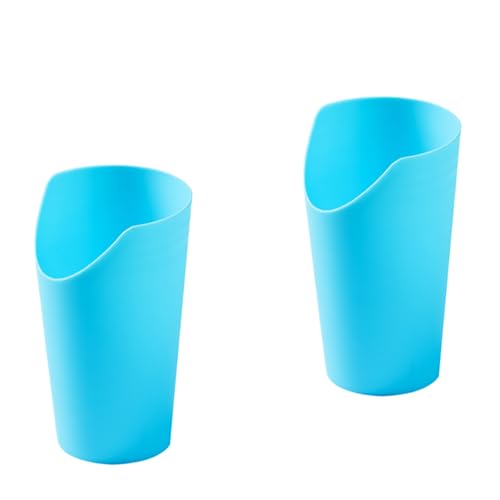
- Front cutout helps reduce head tilting
- Break-resistant food-grade plastic build
- Dishwasher safe for easy cleaning
Best For: Recovery and rehabilitation users needing a durable cutout cup
Controlled-Sip Dysphagia Cup

- 5cc and 10cc inserts control liquid flow
- Optional 90-degree nozzle supports careful sipping
- Dishwasher safe FDA-material design
Best For: Swallowing support and slow, measured drinking
Versatile Spill-Proof Cup
Adult Sippy Cup with Straw and 2 Lids

- 3-in-1 design for straw, feeding, or regular drinking
- Gravity ball straw supports drinking while reclined
- Stainless steel body with leak-resistant silicone-lined lid
Best For: Adults and seniors needing flexible spill-resistant drinking support
Adaptive Grip Mug
Hand-In Drinking Cup for Limited Hand Control

- Internal hand slot helps create a secure grip
- Rotating lid adds spill resistance for daily use
- 16 oz cup for cold drinks in care or home settings
Best For: People with weak grasp, tremors, or limited hand control
Controlled Sipping Cup Set
8 oz Nosey Cups for Adults, 3 Pack

- Nosey shape helps avoid tilting the head back
- Controlled sipping design helps reduce drips and gushes
- Three dishwasher-safe cups for home or care use
Best For: Adults needing controlled sipping support and a smaller cup size
Stainless Steel Adult Care Cup
Stainless Steel 13.5oz Straw Cup

- Gravity ball straw supports drinking while lying down.
- Two lids make it usable as a straw cup or feeding cup.
- Wide handle and spill-resistant design suit assisted care.
Best For: Adults who need flexible-angle sipping support in bed, on a sofa, or in a wheelchair.
Cutout Dysphagia Drinking Aid

- Front cutout supports controlled, spill-free sipping.
- Dual handles improve grip for weak hands.
- Microwave-safe and top-rack dishwasher-safe.
Best For: Adults with dysphagia, Parkinson's, neck injuries, or limited hand strength.
Large Capacity Care Cup

- Large 15.8oz size cuts down on frequent refills.
- Flexible straw supports seated or reclining use.
- Spill-proof lid helps limit leaks during assisted drinking.
Best For: Elderly and disabled adults who need a high-capacity cup for bed, soup, or daily hydration.
Therapy Cut-Out Cup Set – TalkTools Nosey Cups Set
If you need an angled drinking cup for special needs, the TalkTools Cut-Out Nosey Cups are designed to let the user drink without extending the head or neck. The open cut-out shape also makes it easier to observe lip and tongue movement, while the size markings help with fluid tracking during therapy or daily care.
Best For: Therapy use, limited head and neck range of motion, and users who need a simple cup for monitored intake.
Pros:
- Cut-out design helps support drinking without head or neck extension.
- Volume marks make it easier to measure fluid intake.
- FDA compliant and free from latex, lead, BPA, and phthalates.
- Dishwasher safe and suitable for warm or cold beverages.
Cons:
- Open top design is less spill-resistant than covered cup styles.
- Made of plastic rather than glass.
Overall, this is a practical therapy-style option when the priority is positioning and visibility rather than spill control. The three-size set also gives you flexibility for different routines or users.
Spill-Control Care Cup – Angled Dysphagia Cup with Handles
This angled drinking cup for special needs is built for adults who need a more controlled way to drink, especially in stroke recovery or bedside care. Its transparent body and handles make it easier for caregivers to assist, while the angled no-spill design is meant to reduce mess during use.
Best For: Stroke recovery, bedridden patients, and elderly users who need help drinking more safely.
Pros:
- Angled no-spill design supports safer assisted drinking.
- Transparent body makes it easier to monitor liquid level.
- Handles can make it easier for caregivers and users to manage.
- Designed for postoperative and elderly care.
Cons:
- Supplied notes do not include detailed material or cleaning information.
- No extra sizing or accessory details were provided.
For buyers focused on basic assisted drinking support, this cup’s simple layout is the main advantage. It appears best suited to care settings where visibility, handling, and spill reduction matter most.
Rehab Nosey Cup Pair – 2pc Nosey Cups for Recovery
If you’re shopping for an angled drinking cup for special needs, this Nosey Cup set uses a front cutout to help users drink without tipping the head back. It’s aimed at elderly users, rehab, and people with swallowing or head and neck limitations who need a sturdier everyday option.
Best For: Recovery, rehabilitation, and users who need a durable cutout cup for easier drinking.
Pros:
- Front cutout reduces the need to tilt the head back.
- Food-grade plastic construction is described as durable and break resistant.
- Dishwasher safe for easier cleaning.
- Made for people with special needs, swallowing issues, or head and neck injuries.
Cons:
- Maximum capacity is listed at 8 oz, which may be small for some users.
- Product notes provide limited detail beyond the basic cup design.
This is a straightforward rehabilitation cup that focuses on simplicity and durability. It’s a sensible pick when you want a basic special-needs drinking aid without extra features.
Controlled-Sip Dysphagia Cup – Measured Flow Dysphagia Cup
This angled drinking cup for special needs is designed for controlled sipping rather than free-flow drinking. With 5cc or 10cc inserts, a fixed handle, and an optional 90-degree rotating silicone nozzle, it is made to help users who need slower liquid delivery and a steadier drinking setup.
Best For: People with swallowing difficulties, dementia, or care needs where slow, measured drinking is important.
Pros:
- Dispenses measured amounts with 5cc and 10cc inserts.
- Optional 90-degree nozzle helps guide liquid while keeping the user’s neck still.
- Dishwasher safe and made from FDA materials.
- Designed for users who cannot tolerate thickened fluids and need liquid-only use.
Cons:
- Not suitable for thickened liquids.
- Explicitly not a sippy cup.
- Requires attention to temperature limits above 80 degrees when drying.
Compared with a basic angled cup, this model is more specialized and focused on flow control. It makes the most sense when safety and measured sipping matter more than simplicity.
Versatile Spill-Proof Cup – Adult Sippy Cup with Straw and 2 Lids
If you need an angled drinking cup for special needs, this 14 oz adult sippy cup is built for flexible, low-mess drinking in bed, at home, or while reclining. Its 3-in-1 design lets you switch between a straw cup, convalescent feeding cup, or standard drinking cup, making it useful for different hydration and feeding needs.
Best For: Adults, seniors, and patients who need spill-resistant drinking support with multiple lid options.
Pros:
- Two interchangeable lids support straw drinking, feeding, or regular sipping.
- Silicone-lined lid is designed to help prevent leaks and spills.
- Gravity ball straw helps sipping even while lying down.
- Stainless steel body is durable, odor-resistant, and wide-mouth for easier cleaning.
Cons:
- Hand wash only, so it is less convenient than dishwasher-safe options.
- Capacity is 14 oz, which may be small for users who want larger servings.
This is a practical pick if versatility matters more than a simple cup shape. It offers several ways to drink from one product, which can be helpful when needs change throughout the day.
Adaptive Grip Mug – Hand-In Drinking Cup for Limited Hand Control
This adaptive drinking cup is a straightforward option for anyone looking for an angled drinking cup for special needs, especially when limited grasp strength or hand control makes regular mugs difficult. The internal hand slot helps create a secure hold, while the spill-resistant lid adds extra confidence for everyday use.
Best For: Adults with tremors, arthritis, spasticity, or mobility limitations who need a stable, easy-grip cup.
Pros:
- Internal hand slot supports a stable, secure grip.
- 360° rotating lid with sliding lever helps reduce accidental spills.
- 16 oz capacity is useful for water, juice, and other cold drinks.
- Dishwasher-safe construction makes cleanup easier.
Cons:
- Designed for cold beverages only.
- Hand wash instructions in the notes may conflict with dishwasher-safe details, so care guidance should be checked carefully.
For users who need grip support more than a straw system, this mug offers a simple, rehabilitation-friendly design. It is a practical choice for home, therapy, or long-term care settings.
Controlled Sipping Cup Set – 8 oz Nosey Cups for Adults, 3 Pack
When you want an angled drinking cup for special needs that helps avoid tilting the head back, this nosey cup set is designed for controlled sipping. The shape supports easier drinking for users with limited mobility, swallowing impairments, or therapy needs, and the 3-pack makes it convenient for home or care settings.
Best For: Adults who need controlled sipping support for dysphagia, autism, Parkinson’s, or occupational therapy use.
Pros:
- Allows drinking without tilting the head back.
- Designed for controlled sipping to help reduce sudden gushes or drips.
- Three-pack offers value for home, hospital, or therapy use.
- Dishwasher-safe polypropylene makes cleaning simple.
Cons:
- 8 oz capacity is smaller than some adult cups.
- Better suited to controlled drinking than to larger-volume hydration.
This is a focused assistive cup rather than a general-purpose tumbler, which makes it useful when drinking technique is the main concern. Its simple design supports independence without adding unnecessary complexity.
Stainless Steel Adult Care Cup – Stainless Steel 13.5oz Straw Cup
If you need an angled drinking cup for special needs that works from different positions, this 13.5oz stainless steel cup is built for practical daily use. The gravity ball straw helps support sipping when lying down, while the interchangeable lids let it function as a straw cup, feeding cup, or general drinking cup.
Best For: Seniors, disabled adults, recovery users, and caregivers looking for a spill-resistant cup for bed, wheelchair, or assisted drinking.
Pros:
- Gravity ball straw supports drinking from varied angles, including lying down.
- Two interchangeable lids create 3-in-1 use as a straw cup, feeding cup, or regular cup.
- Stainless steel body is food-grade, reusable, and designed to resist odor and daily wear.
- Wide handle and stable body can help users with weak grip or shaky hands.
Cons:
- Hand wash only, so it is less convenient than dishwasher-safe options.
- Not intended for children.
- Stainless steel construction may feel less lightweight than plastic alternatives.
This is a strong pick if you want a more durable adult drinking aid with flexible positioning support and easier assisted-care use. The tradeoff is that it is better suited to hand washing and adult care than quick, casual everyday use.
Cutout Dysphagia Drinking Aid – 9oz Spill Proof Nosey Cup
This angled drinking cup for special needs is designed to help users drink more safely from a stable position. The front cutout supports controlled sipping without tipping the head back as much, making it a practical choice for people who need a slower, steadier drinking aid.
Best For: Adults with dysphagia, Parkinson’s, neck pain, arthritis, or limited hand strength who need a stable cutout cup.
Pros:
- Front cutout design helps support spill-free, controlled drinking.
- Dual handles improve grip and stability for limited dexterity.
- Detachable cup and holder add flexibility and make cleaning easier.
- Microwave-safe, top-rack dishwasher-safe, BPA-free construction adds convenience.
Cons:
- 9oz capacity is smaller than some adult care cups.
- Plastic build may not suit buyers looking for stainless steel.
- Best for controlled sipping rather than larger-volume drinking needs.
Overall, this is a practical special drinking aid for users who benefit from a nosey-style cutout and added hand support. It stands out most when safer, slower drinking is more important than maximum capacity.
Large Capacity Care Cup – 15.8oz Spill-Proof Straw Cup
If you want an angled drinking cup for special needs with more room for the day, this 15.8oz adult sippy cup is built for practical hydration and feeding support. Its flexible straw and spill-proof lid are designed for seated or reclining use, including water, milk, or soup.
Best For: Elderly users, patients, and disabled adults who want a large-capacity spill-proof cup for bed or assisted drinking.
Pros:
- Large 15.8oz capacity reduces the need for frequent refills.
- Flexible straw works for reclining use and controlled sipping.
- Spill-proof lid only releases liquid when sucking through the straw.
- Ergonomic handle and lightweight build support everyday use.
Cons:
- Hand wash only, so cleanup takes more effort.
- Plastic construction may not feel as sturdy as stainless steel options.
- Product details are less focused on specialized grip features than some alternatives.
This cup makes sense if capacity matters and you want a simple, leak-resistant option for adult care. It is especially useful for users who drink slowly and need a cup that works well from bed or a reclined position.
How We Picked the Best Angled Drinking Cup for Special Needs
We prioritized cups that support safer drinking mechanics, especially designs with cutout rims, angled bodies, spill-resistant lids, and easy-grip handles. For an Angled Drinking Cup for Special Needs, the goal is not just spill control; it is helping the user achieve a more natural drinking position with less head tilt and less strain.
We also looked for a mix of capacities, materials, and use cases so the list covers therapy, bedside use, travel, and everyday home routines.
Quick Comparison
In this group, cutout nosey cups are best for users who need clear nose clearance and stable positioning, while dysphagia cups and regulating cups are better for controlled flow. Sippy-style and straw-equipped cups add spill resistance and can help users who need more support during transport or use in bed. Adaptive handled mugs are a strong choice for people who benefit from a simple open-cup feel with extra grip.
Key Buying Factors for an Angled Drinking Cup for Special Needs
Flow Control
Look at whether the cup supports small sips, controlled dispensing, or a free-flow open top. Users with swallowing concerns may do better with cups that limit gulp size.
Cutout Shape and Angle
The rim shape should let the user drink without excessive neck extension. A well-designed angled or cutout cup can improve comfort and reduce compensatory movement.
Spill Resistance
No-spill features matter for caregivers and for users who are still building independence. Keep in mind that more spill resistance can sometimes mean a slower drinking pace.
Material and Cleaning
Stainless steel is durable and often good for temperature retention, while plastic cups are usually lighter and easier to see through. Choose a design that fits the user’s routine and can be cleaned easily.
Handles, Stability, and Fit
Two handles, non-slip surfaces, and stable bases can make a big difference for users with weak grip, tremors, or limited coordination.
Who Should Buy Which Angled Drinking Cup for Special Needs?
Choose a nosey or cutout cup if the user needs easier head positioning and a more natural sip angle. Choose a dysphagia cup if swallowing safety and measured liquid delivery are the top priority. Choose a straw or sippy-style option if spill prevention and portability matter most. Choose a handled adaptive mug if the user wants the simplest open-cup experience with extra support.
For most shoppers, the best Angled Drinking Cup for Special Needs is the one that matches the user’s movement limits, drinking habits, and caregiver support level, not just the one with the most features.