The right social story can make an unfamiliar routine or social situation easier to talk through before it happens. But a broad story collection, a picture-based teaching book, and a potty-training story serve different needs.
These eight books span ready-to-use stories, visual supports, and activities. Use the guide below to match a book’s format and focus to the skills your child is working on.
Best 8 Autism Social Story Books Picks for 2026
Most Comprehensive Collection

- More than 150 ready-to-use stories
- Covers children, teens, and adults
- Includes guidance and defining criteria
Best For: Parents and educators seeking a broad Social Stories™ reference
Quick Daily Reads
3-Minute Social Stories for Kids with Autism

- Brief stories for repeat reading
- Covers emotions and transitions
- Includes child-friendly visual learning
Best For: Short reading sessions with children ages 4–12
Potty Routine Pick
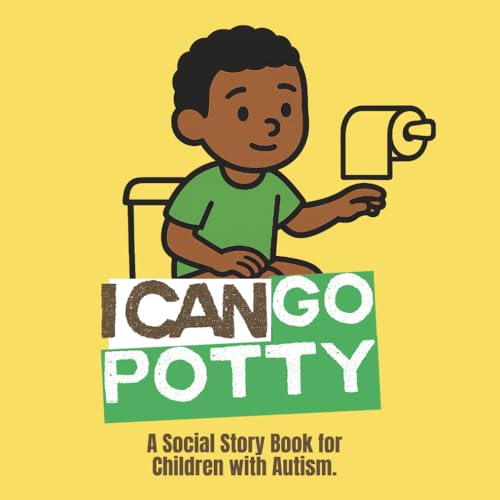
- Step-by-step potty story
- Simple “I” statements and visuals
- Includes tips for caregivers
Best For: Children learning a predictable potty routine
Interactive Skills Workbook
Social Stories for Kids with Autism & ADHD

- Stories paired with activities
- Practises conversations and friendships
- Large-print, 104-page workbook
Best For: Children ages 6–12 practising social skills
Best Visual Practice Guide
The Social Skills Picture Book

- Color photos show social skills in action
- Thought bubbles illustrate perspectives
- Built around reading and role-play
Best For: Visual learners practicing social interactions with an adult
Best Comprehension Workbook
Social Stories Reading Comprehension Workbook

- 55 short social-situation passages
- Multiple-choice inference questions
- Covers home, school, and community
Best For: Structured reading and social-reasoning practice
Best Everyday Story Collection
My Big Book of Autism Social Stories
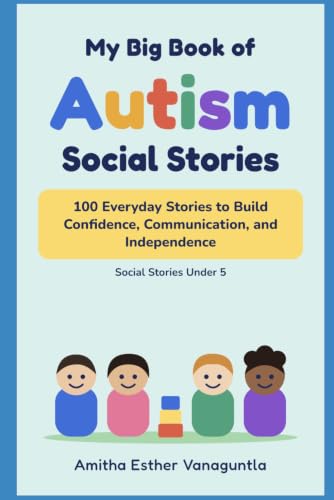
- 100 everyday social stories
- Includes routines, emotions, and safety
- Clear, encouraging language
Best For: Families and classrooms needing a broad story selection
Best Customizable Reference

- Over 150 ready-to-use stories
- Strategies for writing custom stories
- Full-color photos
Best For: Adults building and adapting a social-story library
Most Comprehensive Collection – The New Social Story Book
Among autism social story books, Carol Gray’s 480-page collection stands out for its range: it includes more than 150 ready-to-use Social Stories™ for children, teens, and adults, plus guidance on applying them.
Best For: Parents and educators who want a broad reference for social situations at home, school, work, and in the community.
Pros:
- More than 150 ready-to-use stories cover a wide range of situations.
- Includes guidance on using the stories and sections for teens and adults.
- Explains the defining criteria behind Social Stories™.
Cons:
- At 480 pages, it may be more reference book than readers seeking a brief, single-topic story need.
Choose this when breadth and guidance matter most; for one specific routine, a shorter book may be easier to pick up and use.
Quick Daily Reads – 3-Minute Social Stories for Kids with Autism
If you’re comparing autism social story books for short reading sessions, this 260-page collection offers brief stories and child-friendly visual learning experiences about emotions, routines, transitions, communication, and everyday interactions.
Best For: Caregivers and educators seeking short, repeatable stories for children ages 4–12.
Pros:
- Stories are designed to be read in just a few minutes.
- Addresses feelings, changes in routine, and self-expression.
- Uses visual learning experiences alongside relatable situations.
Cons:
- Its stated reading age is 4–12, so it is not positioned for teens or adults.
- The broad topic mix may be less focused than a book devoted to one particular skill.
This is a practical choice for brief, recurring reading time rather than an in-depth guide to writing or selecting Social Stories™.
Potty Routine Pick – I Can Go Potty
I Can Go Potty: A Social Story Book for Children with Autism - Boy (Autism I Can Books)
Check Price On AmazonFor families looking at autism social story books to address toileting, this 24-page book focuses on one routine. Simple “I” statements, clear visuals, and step-by-step language show children what to expect when using the potty.
Best For: Caregivers supporting a child who benefits from a predictable, visually explained potty routine.
Pros:
- Breaks potty use into manageable steps.
- Uses encouraging language, repetition, and clear visuals.
- Includes caregiver tips on routines, sensory needs, and celebrating progress.
Cons:
- Its narrow potty-training focus will not cover broader social skills.
- The title identifies it as the boy edition.
Pick this for a focused toileting story rather than a general-purpose social-skills collection.
Interactive Skills Workbook – Social Stories for Kids with Autism & ADHD
For shoppers who want autism social story books with activities, this 104-page, large-print workbook pairs short stories with exercises on conversations, friendships, sharing, feelings, and classroom interactions. It is designed with children with autism and ADHD in mind.
Best For: Children ages 6–12 who benefit from guided or independent practice with everyday social skills.
Pros:
- Combines stories, child-friendly examples, and interactive activities.
- Covers a range of peer and communication skills.
- Can be used at home, in classrooms, or in therapy settings.
Cons:
- The activity-workbook format may not suit someone seeking stories alone.
- Its stated reading age is 6–12, rather than younger children or teens.
This is the most hands-on option here for practising social situations, especially when an adult can help discuss and work through the activities.
Best Visual Practice Guide – The Social Skills Picture Book
The Social Skills Picture Book: Teaching play, emotion, and communication to children with autism
Check Price On AmazonAmong autism social story books, this one stands out for its color photos showing social skills done both effectively and ineffectively. Thought bubbles help readers consider what others might be thinking, while the read-and-role-play approach gives adults a way to practice the scenes with children.
Best For: Families and educators who want visual examples and guided social-skills practice.
Pros:
- Color photos demonstrate social interactions.
- Thought bubbles make perspectives more visible.
- Encourages role-play followed by real-life practice.
Cons:
- Focused on illustrated skill demonstrations rather than a collection of ready-to-read social stories.
- Its large format may be less convenient to carry.
Choose this when showing and rehearsing a skill matters more than having a compact story collection.
Best Comprehension Workbook – Social Stories Reading Comprehension Workbook
If you want autism social story books that double as reading exercises, this workbook offers 55 short passages about situations at school, home, and in the community. Multiple-choice questions ask learners to think about feelings, decisions, and what happens next.
Best For: Educators, therapists, and parents who want structured social-reasoning and reading-comprehension practice.
Pros:
- Includes 55 social-situation passages.
- Covers friendship, honesty, safety, and problem-solving.
- Inference questions provide a clear follow-up activity.
Cons:
- Workbook questions may not suit readers seeking stories alone.
- Multiple-choice responses offer less open-ended discussion than a conversation-based activity.
This is the practical pick when you need repeatable lessons with questions, rather than just read-aloud material.
Best Everyday Story Collection – My Big Book of Autism Social Stories
For buyers seeking autism social story books with plenty of everyday topics, this collection provides 100 stories in clear, encouraging language. Its scenarios span routines, emotions, friendships, self-care, sensory experiences, and changes in plans.
Best For: Parents, teachers, and caregivers who want a broad selection of short stories for everyday situations.
Pros:
- Contains 100 stories covering a wide range of situations.
- Addresses home, school, community, and social interactions.
- Uses calm, child-friendly language.
Cons:
- At 136 pages for 100 stories, each topic has limited space.
- The description does not specify accompanying activities or comprehension questions.
Its strength is breadth: keep it handy when you want a story relevant to a routine or upcoming experience.
Best Customizable Reference – The New Social Story Book
Among autism social story books, Carol Gray’s revised collection is a substantial reference for adults who want both ready-to-use material and help writing their own. It includes over 150 Social Stories for situations at home, at school, and in the community, along with strategies for creating custom stories.
Best For: Parents and educators who want a large story library plus guidance for tailoring stories.
Pros:
- Offers over 150 ready-to-use Social Stories.
- Includes strategies for creating custom stories.
- Features full-color photos.
Cons:
- At 254 pages and about two pounds, it is more of a reference book than a portable booklet.
- This revised edition was published in 2010, so buyers may want to check whether its examples fit their current needs.
Pick this if you expect to revisit many scenarios and adapt stories, rather than buy a book for one specific skill.
How We Picked These Autism Social Story Books
We looked for a useful range of formats and goals within the selected books: large collections of everyday stories, short visual stories, a focused toileting title, picture-based social-skills instruction, and workbooks with activities. The goal is to help you choose by how you plan to use a book, not by story count alone. Check a sample when available; titles and descriptions cannot tell you whether the language, illustrations, or activities will suit your child.
Quick Comparison: Which Format Fits?
Broad collections are a starting point when you want stories for multiple everyday situations. The New Social Story Book editions and My Big Book of Autism Social Stories fit this category; compare their contents before buying more than one. Short visual stories, such as 3-Minute Social Stories for Kids with Autism, may suit a child who benefits from a brief read before a transition. Focused stories, such as I Can Go Potty, make sense when one routine is the priority. Picture-led instruction and workbooks offer different ways to practise social skills when reading a story alone is not enough.
Key Buying Factors for Autism Social Story Books
Match the Story to the Immediate Goal
Start with the situation you want to support: a daily transition, toileting, identifying feelings, play, or understanding another person’s perspective. A large collection offers more topics to explore, but a focused book may be easier to use consistently for one current challenge.
Check Language and Visual Support
Look inside for sentence length, page density, and the role illustrations play. A child who prefers pictures and short text may engage differently from one who enjoys reading and discussing longer stories. If you plan to read together, choose wording you can explain in terms familiar to your child.
Consider How You Will Use It
Ready-to-read stories work well for a quick conversation before an event. Activity books and comprehension workbooks ask for more participation and may be better suited to guided practice. Check the contents for situations that match your child’s life, and adapt discussion to their needs rather than expecting any story to produce a particular behavior.
Who Should Buy Which Autism Social Story Books?
Choose a broad collection if you want options for many routines and social situations; compare the 10th- and 15th-anniversary editions of The New Social Story Book before deciding which to purchase. Choose a brief visual format for short, repeatable conversations about feelings or transitions, or a single-topic book if toileting is your immediate focus. For guided teaching about play, emotions, and communication, consider The Social Skills Picture Book. If your child is ready to answer questions or complete exercises, compare the social-skills activities book with the reading-comprehension workbook. The best choice is one you can use with your child in a way that feels relevant, respectful, and manageable.