The best board games for kids make screen-free play easy while building skills such as turn-taking, problem-solving, memory, and fine-motor control. This roundup includes simple preschool favorites, fast family games, and classic strategy picks.
Use the age ranges, player counts, play styles, and storage features below to find a game that fits your child and your family’s game-night routine.
Best 10 Board Games for Kids Picks for 2026
Best First Game

- No reading required
- Color-based movement
- 15-minute playtime
Best For: Preschoolers learning colors and turn-taking
Best Guessing Game

- For ages 6 and up
- Supports 2-6 players
- Builds deduction skills
Best For: Family game nights and lively group play
Best Classic Race Game
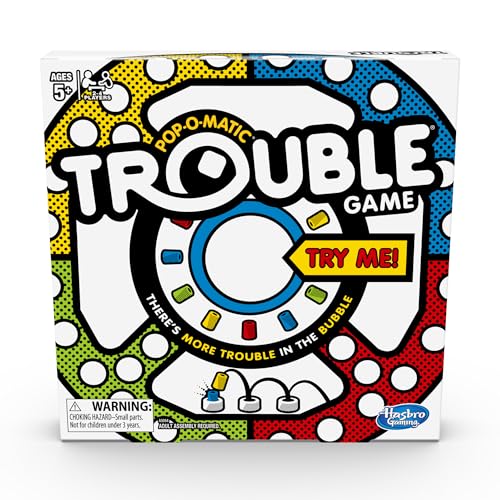
- For ages 5 and up
- Pop-O-Matic die roller
- Optional Power Up Spaces
Best For: Family game nights and playdates
Best Mystery Game

- For ages 8 and up
- Includes hidden clue decoder
- Supports 2-6 players
Best For: Team-based mystery solving and family gatherings
Best Classic Tapping Game

- Suspenseful ice-block tapping
- Designed for ages 3 and up
- For 2–4 players; no batteries
Best For: Preschoolers and family game nights
Best Dexterity Game

- Fast-paced fishing action
- Helps develop hand-eye coordination
- For 1–4 players ages 4 and up
Best For: Kids who enjoy hands-on skill games
Best Strategy Race
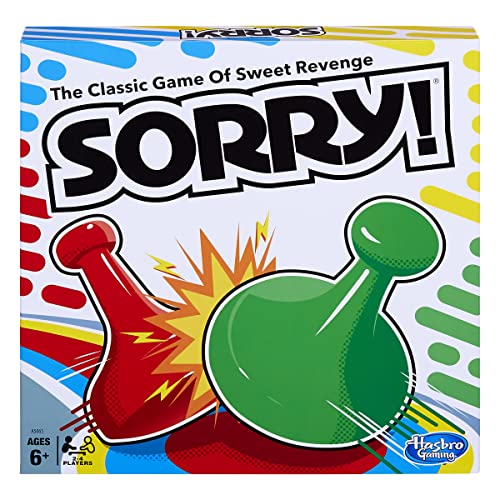
- Classic race-to-home gameplay
- Encourages strategy and critical thinking
- For 2–4 players ages 6 and up
Best For: Competitive family game nights
Best for Classic Stacking Fun

- 54 hardwood blocks for the original stacking challenge
- Digital die adds six unpredictable ways to play
- Compact storage works well for travel and parties
Best For: Families wanting a hands-on game for solo play, parties, or game night
Best for Laugh-Out-Loud Skill Play

- Tweezers-based play builds skill and coordination
- Buzzer and light make mistakes funny and memorable
- Works for solo play or games with friends
Best For: Kids who like pretend doctor play and interactive surprises
Best for Quick Two-Player Strategy

- Five-minute rounds make play easy to fit into busy days
- Folding case stores pieces and includes a carrying handle
- Built-in score trackers support four-round competitions
Best For: Two players wanting an easy, portable introduction to strategy
Best First Game – Candy Land
Candy Land is a straightforward choice when you’re shopping for board games for kids ages 3 and up. Its color-based movement, short 15-minute playtime, and no-reading-required format make it accessible to preschoolers.
Best For: Preschoolers learning colors, turn-taking, and basic game etiquette.
Pros:
- No reading is required, so young children can play independently with guidance.
- Simple card-based movement and a race-to-the-castle objective are easy to explain.
- Supports color recognition, taking turns, and sportsmanship.
Cons:
- The gameplay is aimed primarily at younger children and may feel too simple for older kids.
- At two to four players, it is less suitable for larger groups.
For families introducing a child to tabletop play, Candy Land offers a familiar, low-pressure starting point with colorful components and minimal setup.
Best Guessing Game – Hedbanz
Hedbanz brings an interactive question-and-answer format to board games for kids ages 6 and up. Players wear a headband, display a picture card, and use yes-or-no questions to identify what they are showing.
Best For: Family game nights, parties, and children who enjoy social guessing games.
Pros:
- Supports two to six players and works for mixed-age family groups.
- Picture cards and quick-to-learn rules make it accessible.
- Encourages deduction, critical thinking, communication, and turn-taking.
- The approximately 20-minute playtime suits shorter gatherings.
Cons:
- Players need to be comfortable asking questions and performing in front of others.
- The game depends on active social participation rather than quiet strategy.
Choose Hedbanz if you want a screen-free game that keeps everyone involved through conversation, deduction, and playful headband wear.
Best Classic Race Game – Trouble
Trouble is a classic pick among board games for kids ages 5 and up, combining simple racing rules with the tactile appeal of its Pop-O-Matic die roller. It supports two to four players and takes about 30 minutes to play.
Best For: Family game nights, playdates, and children who enjoy familiar competitive gameplay.
Pros:
- Easy setup and a simple objective make it approachable for young players.
- The Pop-O-Matic roller keeps the die contained and adds hands-on appeal.
- Includes classic rules plus an option with Power Up Spaces for added challenge.
- Adults and children can play together.
Cons:
- The two-to-four-player limit does not accommodate larger groups.
- Its approximately 30-minute playtime is longer than some preschool games.
Trouble is a practical choice for families seeking an easy-to-learn race game with a distinctive mechanical feature and a little extra rule flexibility.
Best Mystery Game – Junior Detective
Junior Detective adds cooperative mystery-solving to board games for kids ages 8 and up. Players work through unsolved cases, use a hidden clue decoder, and apply deduction skills in sessions estimated at about 20 minutes.
Best For: Families and small groups who enjoy teamwork, clues, and mystery-themed play.
Pros:
- Supports two to six players, making it flexible for family gatherings.
- The hidden clue decoder creates a hands-on investigation experience.
- Trust-based gameplay encourages communication and social interaction.
- Designed to develop problem-solving, critical thinking, and deduction.
Cons:
- The supplied information lists a recommended age of 8 years and up, so it may not suit younger children.
- Mystery and deduction play may be less appealing to children who prefer simple racing games.
Junior Detective is a strong fit when you want a collaborative, clue-driven activity that gives older children a more involved alternative to basic board-game play.
Best Classic Tapping Game – Don't Break The Ice
Hasbro® Don’t Break The Ice Game, Classic Version for Ages 3+ Years, 2-4 Players
Check Price On AmazonFor families choosing board games for kids ages 3 and up, Don’t Break The Ice offers simple rules and suspenseful, hands-on play. Players take turns tapping out ice blocks while trying to keep Phillip the Penguin on top.
Best For: Preschoolers and families seeking a quick indoor game for 2–4 players.
Pros:
- Easy-to-understand tapping gameplay for ages 3 and up.
- Creates suspense as players try not to make Phillip fall.
- Includes two mallets, an ice tray frame, 32 small ice blocks, and the penguin figure.
Cons:
- Small parts require attention around younger children.
- Manual setup is needed before play.
With a listed playing time of about 30 minutes and no batteries required, this is a straightforward choice for active preschool game sessions and family game night.
Best Dexterity Game – Let's Go Fishin'
Let's Go Fishin' Game by Pressman - The Original Fast-Action Fishing Game!, 1-4 players
Check Price On AmazonAmong board games for kids, Let’s Go Fishin’ stands out for fast, hands-on action. Players use mini fishing poles to catch colorful fish from a rotating pond, making it an engaging option for children ages 4 and up.
Best For: Kids who enjoy quick dexterity games and practicing hand-eye coordination.
Pros:
- Gameplay supports hand-eye coordination and fine motor skills.
- Rotating pond and opening-and-closing fish add action.
- Supports 1–4 players and includes 21 fish and four fishing poles.
Cons:
- Requires batteries for the automatic rotating action.
- Small parts and magnets call for supervision with younger children.
Recommended for ages 4 and up, this classic fishing game works well when one child wants to play alone or several children want a lively indoor contest.
Best Strategy Race – Sorry!
For families looking for board games for kids ages 6 and up, Sorry! combines a race-to-home format with card-driven surprises. Players move pawns, use strategy, and can send opponents back to the starting point.
Best For: Families wanting a competitive indoor game that introduces strategy and critical thinking.
Pros:
- Classic racing gameplay is easy to revisit or introduce to new players.
- Cards create varied possibilities from one game to the next.
- Supports 2–4 players and includes a board, 12 pawns, 45 cards, and instructions.
Cons:
- Its listed playing time is up to 120 minutes, which may be long for some children.
- Competitive “send back” mechanics may not suit every group.
With strategy and critical-thinking objectives, Sorry! is a strong pick for family game night when older children are ready for a longer, more competitive session.
Best for Classic Stacking Fun – Jenga Game
For families looking for board games for kids that encourage patience and hands-on play, this Jenga set combines the familiar wooden-block challenge with optional digital variations. It suits solo play, family game nights, and parties for players ages 6 and up.
Best For: Kids and families who enjoy quick, suspenseful stacking games with optional challenge modes.
Pros:
- Includes 54 precision-crafted wooden blocks for classic Jenga play.
- Digital die adds six challenge variations, including timed and thumbs-only play.
- Stacking sleeve helps with setup and storage, while compact packaging supports travel.
- Can be played solo or with others.
Cons:
- Digital die features require a phone or web app accessed through the included QR code.
- The tower can be frustrating for younger children who are still developing fine motor control.
This is a strong choice when you want a simple, reusable activity with extra replay value. The optional digital die is useful for parties, while the original stacking format remains easy to learn.
Best for Laugh-Out-Loud Skill Play – Operation Game
This Operation electronic game is a playful option among board games for kids, combining simple rules with a steady-hand challenge. Players use tweezers to remove ailment pieces from Cavity Sam, with the buzzer and light adding immediate reactions for ages 6 and up.
Best For: Kids who enjoy funny sound effects, pretend play, and coordination-based challenges.
Pros:
- Easy-to-understand surgery-themed gameplay makes it accessible for young players.
- Requires skill and coordination when removing pieces without touching the cavity sides.
- Buzzer and flashing red nose create an entertaining surprise when a player slips.
- Supports solo play or games with friends, with money awarded for successful removals.
Cons:
- The electronic buzzer may be less suitable for children sensitive to sudden sounds.
- Players need careful hand control to avoid triggering the buzzer.
Operation works particularly well when the goal is laughter rather than complicated strategy. Its familiar format and interactive electronics make it an engaging birthday or holiday gift for children ages 6 and up.
Best for Quick Two-Player Strategy – Connect 4 Game
For families seeking board games for kids that teach basic strategy without a long rulebook, this Connect 4 edition offers familiar four-in-a-row play with convenient updates. It is designed for two players ages 6 and up, and rounds take about five minutes.
Best For: Two players who want fast, repeatable strategy games at home or while traveling.
Pros:
- Simple objective makes it easy to learn in minutes.
- Each round lasts about five minutes, making it suitable for short play sessions.
- Foldable grid and tray become a portable carrying case with a handle.
- Built-in score trackers support multi-round competitions, with four wins making a champion.
Cons:
- Designed for exactly two players.
- The game depends on competitive, turn-based play rather than cooperative play.
This updated Connect 4 is a practical pick for quick after-dinner games, travel, or repeated head-to-head matches. The integrated storage and score tracking reduce setup and cleanup while preserving the classic strategy.
How We Picked These Board Games for Kids
We selected games that are widely recognized, age-appropriate, and easy for families to understand. The list covers preschool play, guessing, dexterity, deduction, light strategy, and classic competitive formats. We also considered player count, setup, replay value, and whether children can play independently or need an adult to guide the game.
Because children develop at different rates, treat the listed ages as a starting point rather than a strict rule. Younger players may enjoy an older-rated game with help, while some children may prefer a simpler game for longer.
Quick Comparison
| Best For | Recommended Options |
|---|---|
| Ages 3 and up | Candy Land, Don’t Break The Ice, Let’s Go Fishin’ |
| Guessing and communication | Hedbanz |
| Fast family competition | Trouble, Sorry!, Connect 4 |
| Dexterity and coordination | Jenga, Operation |
| Clues and deduction | Junior Detective |
Key Buying Factors for Board Games for Kids
Age and Developmental Fit
Check the recommended age, reading requirements, and motor skills involved. Preschool games typically use simple rules and visual play, while games for ages six and up may require planning, counting, or more patience.
Player Count and Play Time
Choose a game that matches how your household actually plays. Two-player games such as Connect 4 suit one-on-one time, while games supporting four or more players work better for siblings and family gatherings. Short rounds can also help younger children stay engaged.
Game Style
Look for action games when children enjoy movement and quick decisions, guessing games for verbal interaction, and light strategy games for planning practice. Competitive games can be exciting, but younger players may benefit from adults modeling good sportsmanship.
Storage and Cleanup
Small pieces are easy to lose, especially with games such as Operation, Jenga, and Sorry! A built-in storage tray, carrying case, or dedicated container can make regular play more convenient.
Who Should Buy Which Board Games for Kids?
For preschoolers, Candy Land, Don’t Break The Ice, and Let’s Go Fishin’ offer accessible rules and hands-on play. Choose Hedbanz or Junior Detective when you want more conversation, clues, and observation. Trouble and Sorry! are strong choices for families who enjoy familiar race-to-the-finish gameplay.
Jenga and Operation are best for children who like physical challenges and careful movements. Connect 4 is a practical choice for two players who want quick rounds with simple but increasingly strategic decisions. If you are buying only one game, prioritize the child’s age, preferred play style, and the number of people who will usually join.