A good visual schedule can make daily transitions easier, reduce confusion, and support independent routines. For many families and educators, a first then board for autism is one of the simplest tools for teaching “do this, then that” expectations.
Below, we’ve rounded up 10 practical options for home, classroom, and therapy use, focusing on durability, card variety, and ease of use for real-life routines.
Best 10 First Then Board for Autism Picks for 2026
Now-Next Routine Support
First Then Visual Schedule for Kids

- 3-symbol now-next-later format keeps routines simple.
- Includes 32 PCS cards and hook-and-loop fasteners.
- Durable, waterproof plastic is easy to clean.
Best For: Kids who need a simple, durable visual routine board for transitions
Home Routine Simplifier
Now and Next Board with 35 Symbols

- Simple now-and-next layout for easier transitions.
- 35 durable, waterproof symbols attach with hook-and-loop.
- Age-neutral design suits children or adults.
Best For: Home routines and calmer transitions with a very simple visual aid
Task Completion Aid
Really Good Stuff First, Then System

- Two-board set includes 66 attachable cards.
- Supports language and behavior needs for task completion.
- Simple first-then format is easy to use in preschool settings.
Best For: Preschool learners who need help finishing specific tasks with visual support
Visual Behavior Support
Positive Behavior Board for Kids

- Tracks up to 5 behaviors with ticks and crosses.
- Includes 17 behavior cards plus clear PCS symbols.
- Waterproof plastic board is durable and easy to clean.
Best For: Kids who need visual behavior cues in home, preschool, or ABA use
Visual Routine Pick

- 124 cards for routines, chores, and activities
- Hangable or desk-friendly flannel board
- Storage bag keeps cards organized
Best For: Kids who need a visual daily routine chart at home or school
Timer and Transition Kit
Autism & Prosperity Time Schedule Tasks

- Includes visual timer support for transitions
- Helps with routines, time management, and screen-time
- Lightweight plastic set with 61 pieces
Best For: Kids who need predictable transitions and time-based routine support
Simple First-Then Board
First Then Visual Schedule Board

- Clear first-then format for simple prompting
- 8 picture cards plus 2 blank cards
- Heat-laminated cards with rounded corners
Best For: Kids who need a basic visual prompt for first-then tasks
Spanish Visual Communication Cards Lanyard
Nonverbal Autism Communication Cards
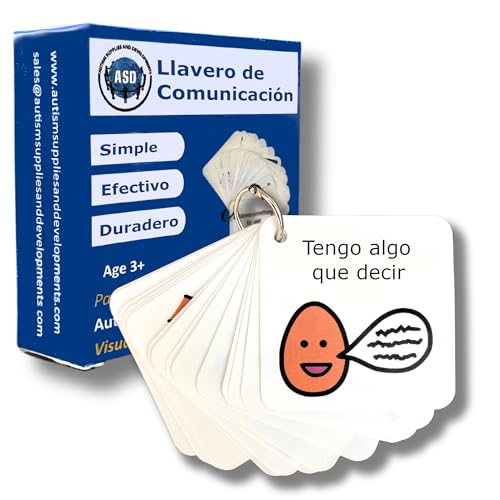
- 16-card ring format for simple communication support.
- Waterproof plastic build is durable and easy to clean.
- Uses genuine PCS symbols and works with PECS cards.
Best For: Spanish-speaking users who need a portable, durable communication aid
Blue First Then Board Set
66-Cards Visual Schedule Board

- Includes 66 picture cards and two boards.
- Hook-and-loop pieces support repeated card changes.
- Helpful for language and behavior support at home or school.
Best For: Families or classrooms needing a reusable routine board with many card options
Pastel First Then Board Set
Autism Communication Cards Kit

- 66 cards with two boards and reusable fasteners.
- Pastel design offers a softer visual presentation.
- Suitable for home school, preschool, and special education.
Best For: Users who want a pastel visual schedule board for daily routines
Now-Next Routine Support – First Then Visual Schedule for Kids
If you’re searching for a first then board for autism that keeps the day simple and predictable, this visual schedule is a strong fit. It uses a clear now-next-later layout with 3 symbols so children can focus on the current task without feeling overwhelmed by too much information.
Best For: Children who benefit from a simple, durable routine board for home, school, or therapy transitions.
Pros:
- Includes 32 genuine Picture Communication Symbols for common activities.
- Waterproof, premium plastic construction is sturdy, easy to clean, and long-lasting.
- Simple 3-symbol layout helps support routines, transitions, and reassurance.
- Compatible with PECS cards and designed for autistic children and learners with ASD/ADHD.
Cons:
- Only covers now, next, and later, so it is not a full daily timetable.
- Small parts create a choking hazard for children under 36 months.
Overall, this board is a practical choice if you want a visual support tool that is easy to understand and built to last. Its straightforward format makes it especially useful when a child needs calm, predictable guidance through daily activities.
Home Routine Simplifier – Now and Next Board with 35 Symbols
This first then board for autism is designed to make home routines feel calmer and more predictable. By showing just the next two things in a child’s day, it acts as a simple visual aid that can reduce stress without becoming overwhelming.
Best For: Families looking for an easy home-based visual support tool for routines and transitions.
Pros:
- Uses a very simple now-and-next format that is easy to understand.
- Includes 35 visual symbols with VELCRO Brand hook-and-loop attachment.
- Sturdy, waterproof, wipe-clean plastic cards are designed for durability.
- Age-neutral symbols work for children or adults with communication needs.
Cons:
- Focused on just two steps, so it may not suit more detailed scheduling needs.
- Primarily designed around life at home rather than classroom routines.
For families who want a practical first then board for autism, this option keeps communication clear and flexible. The simple format and durable cards make it a good everyday tool for easing transitions at home.
Task Completion Aid – Really Good Stuff First, Then System
When you need a first then board for autism that focuses on helping a child complete required tasks, this two-board set is a practical pick. It is designed for language and behavior needs and comes with attachable picture cards to make expectations more concrete.
Best For: Preschool and early learning settings that need a straightforward first-then task support system.
Pros:
- Includes 2 boards and 66 cards for flexible task support.
- Helps children with language and behavior needs complete specific required tasks.
- Made from plastic for classroom or therapy use.
Cons:
- No waterproof or wipe-clean claim is provided in the product details.
- Less focused on broad daily schedules than a general routine board.
This system is a good choice if your main goal is completing specific tasks rather than mapping an entire day. The simple first-then structure can help make directions feel clearer and more manageable.
Visual Behavior Support – Positive Behavior Board for Kids
If your search for a first then board for autism also includes behavior support, this board offers a practical visual reminder. It lets you focus on up to five behaviors at a time and use ticks or crosses to make expectations clearer and more concrete.
Best For: Children in home, preschool, or ABA settings who need clear visual behavior cues.
Pros:
- Shows up to 5 behaviors at a time for focused behavior tracking.
- Includes 17 behavior cards plus 5 ticks and 5 crosses for visual reinforcement.
- Made from premium plastic that is waterproof, durable, and easy to clean.
- Uses genuine PCS symbols and is designed for autistic children and learners with ASD/ADHD.
Cons:
- It is a behavior board rather than a pure first-then routine board.
- May feel more structured than a simple now-next tool for some children.
For families or classrooms that want visual behavior guidance alongside routine support, this board is a solid option. Its clear symbols and durable build make it well suited to repeated everyday use.
Visual Routine Pick – ALSLEA Visual Schedule Blue
If you’re comparing a first then board for autism with a fuller daily routine tool, this ALSLEA visual schedule board is built for home, classroom, and toddler planning use. It includes 124 cards and a foldable, hangable flannel board, so it works well when you want a visual system that can support morning and evening routines, chores, and simple task sequencing.
Best For: Kids with autism, ADHD, or toddlers who do best with a visual daily routine chart.
Pros:
- Large 27″ x 9.5″ board made from flannel with nylon backing for added durability.
- Includes 124 pieces: activity, title, arrow, blank, and star cards.
- Can hang horizontally or vertically, or stand upright on a desk.
- Detachable storage bag helps keep cards organized and less likely to get lost.
Cons:
- Bulkier than a simple first-then board if you only need one-step prompting.
- Best suited to routine planning rather than quick behavior redirection.
This is a practical pick if you want a reusable routine board that covers more than just “first then” transitions. The card set and display options make it flexible for building daily structure at home or in a classroom.
Timer and Transition Kit – Autism & Prosperity Time Schedule Tasks
This autism learning materials bundle is a useful option if you’re looking for a first then board for autism support plus extra help with transitions and time management. It combines visual scheduling with a timer and task-focused tools, which can make routines easier to follow and reduce repeated questions during the day.
Best For: Children who need help with transitions, screen-time limits, and predictable routines.
Pros:
- Designed to support task time management, daily routines, and smoother transitions.
- Includes a visual timer for screen-time, timeouts, and switching activities.
- Intended to help reduce meltdowns by making routines more predictable.
- Plastic pieces make the set lightweight and classroom-friendly.
Cons:
- Smaller bundle than larger card-based schedule boards.
- Less of a general routine board, more focused on scheduling and transition support.
If your main goal is helping a child understand what comes next and manage time-based transitions, this bundle is built for that purpose. It works best when you want visual structure paired with a timer tool.
Simple First-Then Board – First Then Visual Schedule Board
If you want a straightforward first then board for autism, this compact 8″ x 11″ set is designed to show exactly what comes first and what comes next. It’s a focused ABA-style visual support for home or school, especially when a child needs a clear, simple expectation before moving on to a reward or preferred activity.
Best For: Children with autism, speech delays, or attention and behavior challenges who need a simple first-then prompt.
Pros:
- Simple layout makes the first-then sequence easy to understand.
- Includes 8 colorful picture cards plus 2 blank reusable cards.
- Heat-laminated cards with rounded corners for durability and safer handling.
- Compact board size is easy to view and use in different settings.
Cons:
- Only a small card set, so it’s less versatile than a full visual schedule board.
- Dry erase marker is not included for the blank cards.
This is the most focused option in the group if you only need a clear first-then structure. It keeps the support simple, visual, and easy to introduce when you want quick daily reinforcement.
Spanish Visual Communication Cards Lanyard – Nonverbal Autism Communication Cards
If you’re comparing first then board for autism tools, this Spanish communication card lanyard is a compact way to support daily requests, transitions, and basic needs. It uses genuine picture communication symbols and is designed for nonverbal children, speech delays, and other users who need a simple visual support system.
Best For: Spanish-speaking families, classrooms, or therapy settings that need a durable, portable communication aid.
Pros:
- Includes 16 communication cards on a secure binding ring.
- Made from waterproof, durable plastic that is easy to clean.
- Uses genuine PCS symbols and is compatible with PECS cards.
- Compact lanyard-style format makes it easy to carry.
Cons:
- Only 16 cards, so it offers a smaller symbol set than board-style kits.
- Spanish-only version may not suit every household.
Overall, this is a practical pick when you want a lightweight communication tool that can travel with the child and support everyday interaction. Its sturdy plastic build and familiar symbol system make it especially useful for consistent use across home, school, or therapy.
Blue First Then Board Set – 66-Cards Visual Schedule Board
For shoppers looking at a first then board for autism, this Ireer set provides a larger visual schedule system with 66 picture cards, hook-and-loop attachments, and two boards. It is built to help children with language or behavioral needs work through desired tasks in a structured way at home or in the classroom.
Best For: Families and special education settings that want a reusable, picture-based routine board with plenty of card options.
Pros:
- Includes 66 graphic cards plus two front and backplates.
- Comes with 78 pairs of hook and loop for repeated card changes.
- Board size is practical for home or classroom use.
- Designed to support language and behavior-related learning needs.
Cons:
- Plastic components may feel more utilitarian than decorative.
- Requires setup and card placement before daily use.
This set makes sense if you want a more structured first-then system with enough pieces to adapt over time. The large card count and reusable attachments give it flexibility for routines, transitions, and skill-building activities.
Pastel First Then Board Set – Autism Communication Cards Kit
If you want a first then board for autism in a softer style, this pastel Ireer set offers the same 66-card format with a more colorful look. It is designed for home, homeschool, preschool, and special education use, with attachable picture cards that help children work through tasks and routines.
Best For: Parents and teachers who want a pastel visual schedule board with reusable cards for daily structure.
Pros:
- Includes 66 graphic cards, two boards, and an instruction card.
- Reusable hook-and-loop setup supports frequent card swaps.
- Sized for practical use in home or classroom environments.
- Made for children with language or behavioral support needs.
Cons:
- Plastic construction may not feel as premium as some laminated options.
- Like other board kits, it needs organization before use.
As a visual routine tool, this set is strong on flexibility and volume, making it easy to build and update daily schedules. The pastel theme is a nice bonus if you want the function of a first-then board with a gentler visual style.
How We Picked the Best First Then Board for Autism
We focused on boards that are easy to understand, reusable, and suitable for children who benefit from visual structure. Priority went to clear layouts, sturdy materials, flexible symbol sets, and options that can handle daily handling in homes, classrooms, or therapy settings.
Because the best First Then Board for Autism should reduce effort for both adults and kids, we also looked for simple setup, good card visibility, and enough visual support to cover everyday routines.
Quick Comparison
For a simple everyday routine, compact boards with a few picture cards are often easiest to introduce. For broader scheduling needs, larger sets with more symbols may work better for classrooms or multiple activities throughout the day. If you need portability, lanyard or smaller board formats are easier to carry. If you want a more permanent routine tool, larger plastic boards and higher card counts are usually the better fit.
Key Buying Factors for a First Then Board for Autism
Card Count and Symbol Variety
Choose a board with enough cards to represent the child’s most common activities, rewards, and transitions. A larger set is helpful if you want to build a more detailed visual routine without constantly making new symbols.
Durability and Attachment
Look for thick plastic boards, strong hook-and-loop backing, and cards that stay in place. This matters in high-use settings where boards may be handled repeatedly or moved between rooms.
Clarity and Ease of Use
The best boards use simple images, clean contrast, and an obvious “first/then” structure. A child should be able to understand the sequence quickly with minimal explanation.
Portability and Placement
If the board will travel to school, therapy, or appointments, smaller formats are more practical. If it will stay at home or in a classroom, a larger board with more cards may be worth the extra size.
Who Should Buy Which First Then Board for Autism?
Families starting out with visual supports may want a straightforward board with only a few cards for daily routines, chores, or transitions. Teachers and therapists often benefit from larger card libraries and more durable boards for repeated use.
If the goal is a gentle introduction to structure, simpler boards are usually best. If the child already responds well to visuals, a more complete First Then Board for Autism with broader symbol options can support longer routines, behavior goals, and classroom independence.
In short, pick the board that matches the child’s attention span, routine complexity, and the setting where it will be used most often.