Creating a home sensory gym for autistic child needs is less about filling a room with toys and more about choosing the right mix of calming, movement-based, and tactile tools. The best setups support regulation, safe heavy work, and independent play.
Below, we’ve focused on products that can help families build a flexible sensory space at home, with options for swinging, crashing, seating, balance, and visual calming.
Best 10 Home Sensory Gym for Autistic Child Picks for 2026
Calming Cocoon Swing
Aokitec Indoor Sensory Swing for Kids

- Hug-like cocoon feel for calming input
- Soft nylon blocks some outside stimulation
- Includes hardware and install accessories
Best For: Indoor calming breaks and sensory swinging
Active Landing Pad
SaferBounce Big Sensory Crash Pad
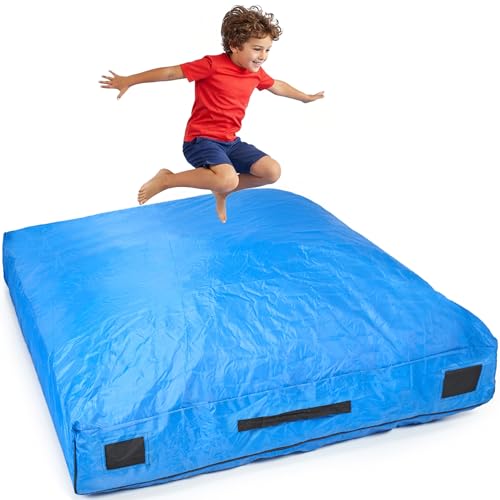
- 5 ft x 5 ft landing zone for jumping and crashing
- High-density foam absorbs impact
- Machine-washable removable cover
Best For: Active sensory play and safe crash landings
Deep-Pressure Swing

- Soft stretchy fabric for cocoon comfort
- Indoor or outdoor use with 300-lb capacity
- Built for vestibular and proprioceptive input
Best For: Calming resets and flexible sensory swinging
Compact Crash Zone
Skil-Care 3x4 Sensory Crash Pad

- Space-saving 3 ft x 4 ft crash area
- High-density foam supports active play
- Durable wipe-clean nylon cover
Best For: Small rooms and supervised one-child crash play
Tactile Learning Set
Labeled Sensory Mats with Lesson Plans

- 9 labeled mats for tactile and sensory play
- Includes booklet, lesson plans, and digital library
- BPA-free, non-slip, and machine-washable
Best For: Families and classrooms wanting guided tactile sensory activities
Calming Seat

- Compression seat with gentle rocking motion
- Lightweight, portable, and easy to clean
- Useful for reading, breaks, and calming time
Best For: Kids who need soothing body pressure and seated regulation
Movement Builder
Balance Beam and Stepping Stones

- 13-piece obstacle course for balance and coordination
- Indoor or outdoor use with stackable storage
- Rearrangeable pieces encourage active play
Best For: Children who need gross-motor movement and confidence-building play
Crash Mat

- 5cm EPE layer adds extra impact protection
- Large 5' x 5' surface for jumping and crashing
- Removable washable cover helps with cleanup
Best For: Safer indoor crash play and deep pressure input
Ocean Projector

- Projects soothing water ripple effects
- 15 color patterns with remote control
- Compact tabletop design for indoor use
Best For: Quiet visual calming and bedtime routines
Sensory Pod Chair

- Works as a rocker, crash pad, or sensory pod
- Supports deep pressure input for calming
- Deflates for easier storage and travel
Best For: Flexible seating for sensory-seeking kids
Calming Cocoon Swing – Aokitec Indoor Sensory Swing for Kids
If you’re building a home sensory gym for autistic child use, this indoor sensory swing is a simple way to add deep-pressure comfort and movement. The cocoon-style design is meant to feel hug-like, while the soft nylon fabric helps create a quieter, more enclosed space for relaxing, swinging, or lying down.
Best For: Kids who need a cozy indoor swing for calming input, body awareness, and quiet sensory breaks.
Pros:
- Soft nylon cocoon design creates a hug-like, calming feel.
- Supports sensory play with swinging, spinning, bouncing, or resting.
- Includes hardware and accessories for easier installation.
- Rated up to 300 lbs for broad age-use flexibility.
Cons:
- Requires ceiling or suitable overhead installation.
- Best suited to a dedicated indoor play or therapy space.
Overall, this is a practical pick if you want a compact sensory tool that can support both calming downtime and active vestibular input. Its strength is the cocoon-style comfort rather than a large play footprint.
Active Landing Pad – SaferBounce Big Sensory Crash Pad
For a home sensory gym for autistic child routines that include jumping and crashing, this large foam crash pad adds a safe landing zone for active play. It’s designed to absorb impact while also giving sensory seekers a deep-stimulation spot to relax, making it useful for both energetic movement and downtime.
Best For: Children who love jumping, tumbling, crashing, and then settling into a soft calming space.
Pros:
- Large 5 ft x 5 ft size offers plenty of landing space.
- High-density foam helps absorb impact during active play.
- Cover is removable and machine washable.
- Useful for playrooms, classrooms, or therapy spaces.
Cons:
- Large footprint may be difficult in smaller rooms.
- Heavier build is less portable than smaller sensory items.
This crash pad is a strong fit when safety and movement are both priorities. It works best as a dedicated floor piece in a larger sensory setup rather than a lightweight portable toy.
Deep-Pressure Swing – Sensory Cocoon Therapy Swing
This sensory swing is a versatile choice for a home sensory gym for autistic child support because it combines cocoon-style comfort with indoor or outdoor use. The stretchy double-layer fabric is meant to feel soft and grounding, while the wide opening makes it easier for kids to climb in and out independently.
Best For: Families wanting a soft cocoon swing for calming resets, sensory play, and body awareness support.
Pros:
- Double-layer poly-spandex fabric is soft, stretchy, and machine washable.
- Supports up to 300 lbs with reinforced seams and swivel hardware.
- Can be used indoors or outdoors with compatible hanging points.
- Designed for vestibular and proprioceptive input.
Cons:
- Needs proper overhead installation.
- Wide use range may be more than needed if you only want a simple seat-style swing.
If you want a therapy-style swing that can grow with the child, this model offers strong value and flexible use. It balances comfort, durability, and sensory input well for family use.
Compact Crash Zone – Skil-Care 3×4 Sensory Crash Pad
If you need a smaller option for a home sensory gym for autistic child activities, this 3 ft x 4 ft crash pad creates a cushioned landing zone without taking over the room. It’s designed for jumping, climbing, and floor play in supervised spaces, and the high-density foam sections help it hold its shape over time.
Best For: Small rooms, corners, and one-child crash zones for supervised active play.
Pros:
- Compact 3 ft x 4 ft size fits bedrooms and smaller spaces.
- High-density foam sections help absorb impact and keep shape.
- Durable nylon cover is water-resistant and easy to wipe clean.
- TamperShield zipper helps deter access to the foam interior.
Cons:
- Best for one child at a time.
- Smaller than larger crash pads if you want more landing area.
This is the most space-conscious pick in the group and makes sense when you need a dedicated crash spot without a big footprint. It’s a solid match for supervised movement in bedrooms or therapy corners.
Tactile Learning Set – Labeled Sensory Mats with Lesson Plans
If you’re building a home sensory gym for autistic child support, these labeled sensory mats offer a simple way to add tactile play, floor activities, and calming corner options. The mats are sized for versatile use on a sensory wall, as floor tiles, or in guided learning games, and the included lesson plans help turn playtime into structured sensory practice.
Best For: Families and classrooms that want a flexible tactile activity set for sensory play, vocabulary, and calming routines.
Pros:
- Includes 9 labeled mats plus a sensory activities booklet and digital lesson plan library.
- Works as sensory wall pieces, floor tiles, or a calm-down corner activity.
- Made with BPA-free materials, non-slip backing, and machine-washable convenience.
- Designed to support tactile engagement, motor skills, and sensory integration.
Cons:
- Individual mats are small, so they are best for stations rather than large coverage.
- More focused on tactile learning than active gross-motor play.
Overall, this is a practical pick if you want a home sensory gym for autistic child use that combines play with teaching tools. It is especially strong for families who want an easy-to-clean, low-prep sensory activity that can grow with a child.
Calming Seat – Soft Squeeze Seat for Kids
For a home sensory gym for autistic child needs, this soft squeeze seat focuses on calming compression and gentle rocking input. It is designed to help kids feel secure, settle down, and stay engaged during reading, quiet time, or therapy-style breaks, while the portable build makes it easy to move between rooms.
Best For: Children who benefit from full-body compression, rocking motion, and a cozy seat for regulation.
Pros:
- Provides calming full-body compression to support emotional regulation.
- Rock-and-reset design adds gentle back-and-forth movement.
- Lightweight and portable for bedrooms, classrooms, or calm-down corners.
- Removable cover is machine washable for easier cleanup.
Cons:
- Primarily a seating solution, so it does not add active movement play.
- Best suited for seated calming use rather than multi-child play.
This is a strong choice if your goal is to create a soothing sensory seat that helps a child reset quickly. It stands out for families wanting a durable, easy-to-clean calming spot that can travel from room to room.
Movement Builder – Balance Beam and Stepping Stones
If you’re looking to round out a home sensory gym for autistic child activities, this 13-piece set brings balance, coordination, and obstacle-course play into one portable kit. The textured stepping stones and colorful beams can be rearranged into different layouts, making it easy to build movement challenges indoors or outdoors.
Best For: Active kids who enjoy climbing, balancing, and confidence-building movement games.
Pros:
- Includes 5 textured stepping stones and 8 balance beams for flexible course building.
- Supports coordination, agility, spatial awareness, and concentration.
- Lightweight, portable, and easy to stack for storage.
- Works for indoor or outdoor play without batteries or assembly.
Cons:
- Requires open floor space to set up a useful course.
- Not designed for quiet calming or seated sensory input.
This set is a practical option when you want more gross-motor activity in your sensory space. It is best for families who want a simple, rearrangeable obstacle course that encourages movement and physical confidence.
Crash Mat – Enhanced Safety Foam Pad
If you’re building a home sensory gym for autistic child, this crash sensory pad is a large, soft landing zone for jumping, crashing, and active play. The built-in 5cm EPE foam layer is designed to add extra fall protection while still giving the deep pressure input many kids find calming.
Best For: Kids who need a safer crash pad for sensory play, therapy, and regulated movement at home.
Pros:
- Built-in 5cm EPE mat for enhanced impact absorption and fall protection
- Large 5′ x 5′ size suited to sensory rooms, playrooms, and classrooms
- Washable outer cover with zipper lock for easier cleaning and maintenance
- Water-resistant nylon cover with double-stitched seams for durability
Cons:
- Bulky size may require dedicated floor space
- Designed for indoor use in supervised play areas
Overall, this is a practical pick if your priority is a safer, softer landing surface that supports active sensory input. It combines durability, easy cleaning, and a therapy-friendly feel in one oversized mat.
Ocean Projector – Calming Sensory Light
For a home sensory gym for autistic child, this ocean light projector adds a calming visual element without taking up floor space. It projects water ripple effects onto walls and ceilings and includes 15 color patterns, making it useful for relaxation, bedtime routines, or quiet focus time.
Best For: Creating a soothing sensory room atmosphere, bedtime wind-down, or visual calming corner.
Pros:
- Projects ocean wave and water ripple effects onto walls and ceilings
- 15 color patterns controlled by remote for easy adjustment
- Can support relaxation, focus, and sleep routines
- Compact tabletop design with USB power for simple setup
Cons:
- Designed as an indoor mood light rather than an active sensory tool
- Requires corded power, so placement depends on outlet access
This is a good add-on if you want to balance high-energy sensory equipment with a quieter visual tool. It works best as part of a calming corner rather than a full movement setup.
Sensory Pod Chair – 3-in-1 Inflatable Rocker
If you need flexible seating for a home sensory gym for autistic child, this inflatable sensory chair can work as a rocking chair, crash pad, or sensory pod. It’s built for deep pressure input and calming movement, making it a versatile option for sensory-seeking kids who need a place to reset.
Best For: Kids who want one inflatable piece that can shift between rocking, crashing, and cozy sensory seating.
Pros:
- 3-in-1 design works as a rocking chair, crash pad, and sensory pod
- Provides deep pressure input that may help improve focus and reduce anxiety
- Reinforced, non-toxic PVC construction is made for indoor sensory use
- Deflates for easier storage and travel when not in use
Cons:
- Requires inflation with the included pump before use
- As an inflatable piece, it may not feel as firm as foam sensory furniture
For families or classrooms that want a multipurpose sensory seat, this is the most adaptable option in the group. Its biggest strength is flexibility, especially if your child likes both movement and deep pressure input.
How We Picked the Best Home Sensory Gym for Autistic Child
We prioritized products that fit a Home Sensory Gym for Autistic Child routines, with a focus on sensory input variety, safety, durability, age flexibility, and ease of setup. We also looked for items that can serve more than one purpose, such as calming, vestibular input, proprioceptive play, or quiet downtime.
Quick Comparison
Think in categories, not just individual products: swings are best for movement and regulation, crash pads and soft seating support heavy work and safe rough play, stepping stones and beams add coordination challenges, and sensory lights help create a calming environment. A well-rounded home sensory gym usually combines at least one movement tool, one crash or squeeze option, and one quiet-calming element.
Key Buying Factors for Home Sensory Gym for Autistic Child
Safety and Installation
Check weight limits, mounting requirements, floor clearance, and whether the product is meant for indoor use, outdoor use, or both. For suspended items, use proper hardware and verify ceiling support before buying.
Sensory Input Type
Different children respond to different input. Swinging and rocking support vestibular needs, crash pads and squeeze seats provide deep pressure and proprioceptive input, and lights or mats can support visual focus and structured play.
Room Size and Storage
Home setups work best when tools are easy to move, stack, or inflate/deflate. If space is limited, prioritize multi-use items that can be stored quickly between sessions.
Durability and Cleaning
Look for wipeable covers, washable fabrics, reinforced seams, and foam that keeps its shape. In a sensory space, easy cleaning matters as much as comfort.
Who Should Buy Which Home Sensory Gym for Autistic Child?
If your child seeks movement, start with a swing or rocking seat. If they need safe impact and heavy work, choose a crash pad. If they benefit from body awareness and motor planning, add stepping stones or a balance beam. For calming breaks and reduced stimulation, sensory lights or a squeeze seat can be a strong fit. The best Home Sensory Gym for Autistic Child support is usually a balanced mix tailored to the child’s preferred input, not a one-size-fits-all setup.