If you want a role play kit for social skills that actually helps kids practice real-world communication, focus on kits that encourage talking, turn-taking, emotion recognition, and problem-solving.
The best options blend pretend play with social-emotional learning, making it easier for children to rehearse doctor visits, classroom routines, feelings, and conflict resolution in a low-pressure way.
Best 10 Role Play Kit for Social Skills Picks for 2026
Doctor Play for Confidence Building

- 19 kid-sized medical pieces
- Supports empathy and communication
- Portable case for easy storage
Best For: Kids ages 3+ who need confidence-building pretend medical play
Emotion-Building Sensory Play
Social Emotional Learning Activities

- 2 face boards and 9 emotion cards
- 75 expression pieces for face matching
- Includes storage bag for cleanup
Best For: Kids ages 3+ learning to name and express feelings
Classroom Pretend Play Set

- Includes map, calendar, and classroom props
- Supports communication and creative thinking
- Comes with a tidy storage bag
Best For: Kids ages 5+ who enjoy school-themed role play
Social Problem-Solving Practice
Social Skills Activities for Kids
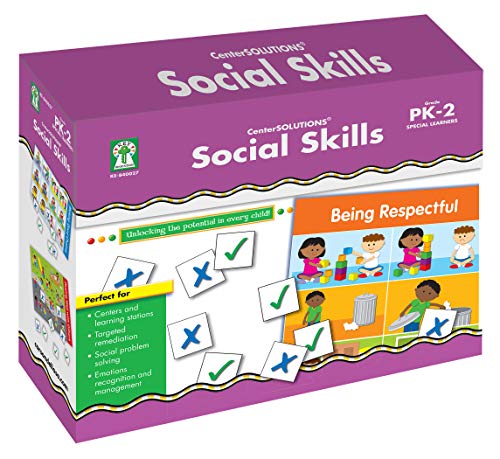
- 15 file-folder style learning mats
- Includes answer keys and resource guide
- Targets emotions and social problem solving
Best For: Preschool to grade 2 kids needing structured social skills practice
Classroom Pretend-Play Set
Complete Teacher Role-Play Kit with 30+ Pieces

- 30+ classroom-themed pieces
- Includes white board, bell, and report cards
- Works for home or classroom pretend play
Best For: Young kids who enjoy school-roleplay and classroom routines
Emotion & SEL Puppet Set
Feelings Family Hand Puppets for Social-Emotional Learning

- Five puppets for core emotions
- Soft, sensory-friendly design
- Useful for counseling and calm-down corners
Best For: Adults teaching emotions, empathy, and coping skills to young kids
Teen Social Scenario Cards
Role Play Cards for Teen Social Situations

- Built for teens and young adults
- Covers peer pressure, relationships, and social media
- Good for starting awkward conversations
Best For: Older kids and teens needing structured practice with real-world scenarios
Emotion Matching Social Skills Kit
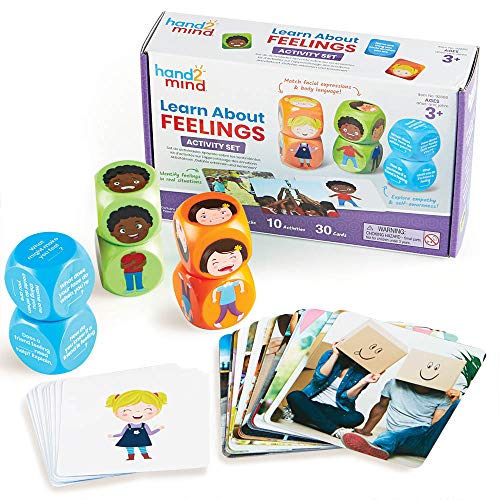
- Cubes, cards, flashcards, and a feelings poster
- Supports empathy, self-management, and anger management
- Useful for classrooms, counseling, and ABA materials
Best For: Elementary kids who need visual, structured emotion practice
Conversation Prompt SEL Cards

- 64 cards across eight themed SEL sets
- Works for partner talk, small groups, and counseling
- Supports regulation, empathy, and problem-solving
Best For: Young children who need quick discussion prompts and simple role-play
Secondary Emotion Puppet Set

- Five soft puppets show loved, nervous, frustrated, excited, and lonely
- Sensory details support engaged role-play and storytelling
- Useful for counseling, dramatic play, and family talks
Best For: Kids who benefit from tactile, guided emotion role-play
Doctor Play for Confidence Building – Pretend & Play Doctor Set
This role play kit for social skills gives kids a hands-on way to explore doctor visits, caregiving, and communication through imaginative play. With realistic medical tools and a portable case, it supports social confidence while also building fine motor and language skills.
Best For: Preschoolers ages 3+ who benefit from comfort with doctor-themed pretend play and social-emotional learning.
Pros:
- Includes 19 kid-sized medical pieces for immersive pretend play.
- Helps children practice empathy, communication, and cooperation.
- Supports fine motor, language, and social-emotional skill development.
- Comes with a sturdy storage case for easy cleanup and travel.
Cons:
- Some pretend play variety is centered on doctor scenarios.
- The cell phone accessory requires 2 AAA batteries.
For families wanting a simple, screen-free way to ease anxiety around doctor experiences, this set offers practical role play with clear skill-building benefits.
Emotion-Building Sensory Play – Social Emotional Learning Activities
This role play kit for social skills focuses on helping kids recognize emotions, talk about feelings, and practice calm responses through hands-on face-board play. It is a practical pick for home, classroom, or therapy settings where emotional vocabulary and communication matter.
Best For: Children ages 3+ who need help naming emotions and practicing social-emotional communication.
Pros:
- Includes 2 face boards, 9 emotion cards, and 75 expression pieces.
- Encourages kids to describe feelings and talk through emotions.
- Works well at home, in the classroom, or during travel.
- Includes a storage bag for simple organization and cleanup.
Cons:
- Best suited to emotion learning rather than broad pretend-play themes.
- Small pieces may require adult supervision for younger children.
If you want a focused social-emotional learning tool, this set gives children a visual, interactive way to practice feelings, vocabulary, and communication skills.
Classroom Pretend Play Set – Pretend Teacher Playset
This role play kit for social skills turns classroom pretend play into a learning experience, with pieces that let kids act out teaching, scheduling, and school routines. It blends imaginative play with practical skill-building through geography, time, math, and literacy materials.
Best For: Kids ages 5+ who love school role play and want a classroom-style learning toy.
Pros:
- Includes a wide mix of school props like a map, calendar, clock, and markers.
- Supports role play as a teacher, student, or other classroom characters.
- Helps build communication, concentration, creative thinking, and number skills.
- Comes with a storage bag and durable materials for easier cleanup.
Cons:
- More specialized than a general pretend-play kit.
- Designed for school-themed scenarios, so it may not appeal to every child.
For kids who enjoy leading the classroom, this set provides a structured and engaging way to practice social interaction while exploring basic academic concepts.
Social Problem-Solving Practice – Social Skills Activities for Kids
This role play kit for social skills is built around hands-on file folder games that help children practice conversations, emotion management, and appropriate behavior. It’s a straightforward pick for parents, teachers, and counselors who want structured activities with clear guidance.
Best For: Preschool through grade 2 learners who need guided practice with social situations, emotions, and problem solving.
Pros:
- Includes 15 fold-open learning mats with matching cut-out pieces.
- Comes with answer keys and a resource guide for easy use.
- Supports conversation skills, emotional regulation, and social problem solving.
- Useful for one-on-one sessions, small groups, or independent work.
Cons:
- More workbook-style than open-ended pretend play.
- Cardstock materials may be less durable than plastic toys.
If you want a practical, educator-friendly option, this set offers targeted social skills practice in an organized format that’s easy to start and repeat.
Classroom Pretend-Play Set – Complete Teacher Role-Play Kit with 30+ Pieces
This role play kit for social skills works well for children who learn best through pretend classroom routines. With 30+ pieces, including a white board, bell, report cards, map, pointer, attendance list, and play clock, it gives kids plenty of ways to practice taking turns, following directions, and acting out teacher-student interactions.
Best For: Kids ages 3+ who want a classroom-themed role play set for home, classrooms, or gift-giving.
Pros:
- Includes over 30 pieces for varied pretend school play.
- Comes with realistic classroom items like a bell, report cards, and play clock.
- Write-and-wipe board with stand and eraser adds hands-on interaction.
- Packaged in a colorful box that works well for gifting.
Cons:
- Theme is narrowly focused on teacher/classroom pretend play.
- Plastic construction may not appeal to buyers looking for softer materials.
- Best fit is for younger children rather than older role-play needs.
This is a solid pick if you want a school-themed role play kit for social skills with lots of familiar classroom props. It is especially useful for home learning, classroom centers, and kids who enjoy acting out everyday school routines.
Emotion & SEL Puppet Set – Feelings Family Hand Puppets for Social-Emotional Learning
This role play kit for social skills is a simple way to help children talk about emotions through play. The five soft hand puppets represent Happy, Angry, Surprised, Sad, and Scared, giving kids a concrete way to practice naming feelings, reading facial clues, and role-playing everyday challenges.
Best For: Families, counselors, and classrooms looking for a gentle social-emotional learning tool for young children.
Pros:
- Five puppets cover core emotions in a kid-friendly format.
- Soft textures and crinkle sounds add sensory engagement.
- Useful for counseling, calm-down corners, and SEL centers.
- Supports storytelling, empathy, and coping practice.
Cons:
- Only five emotion characters are included.
- Best suited to guided discussion rather than open-ended pretend sets.
- Smaller scope than larger classroom role-play kits.
If your goal is emotional learning rather than full pretend-school play, this is a focused and practical option. It gives kids an easy entry point into social skills practice through emotion-based role play and conversation.
Teen Social Scenario Cards – Role Play Cards for Teen Social Situations
This role play kit for social skills is aimed at older kids who need practice with real-life conversations. The card set covers topics like family issues, relationships, online and social media, life skills, peer pressure, and managing emotions, making it a practical discussion starter for teens and young adults.
Best For: Teens, young adults, and educators who want structured prompts for awkward or complex social situations.
Pros:
- Targets more complex scenarios than typical kids’ social skills tools.
- Covers relatable topics like peer pressure and social media.
- Helpful for starting conversations that may be hard to address directly.
- Compact card format is easy to use in class or small-group settings.
Cons:
- Designed for teens and young adults, not younger children.
- Less hands-on than puppet or prop-based role-play kits.
- Only 48 pages, so the content is relatively focused.
For older users, this is the most targeted option in the group because it addresses realistic social situations teens actually face. It works best as a guided conversation tool rather than a toy-style play set.
Emotion Matching Social Skills Kit – Feelings Set for Kids
If you want a role play kit for social skills that keeps lessons concrete, this feelings set gives kids a hands-on way to practice identifying emotions, reading body language, and responding with empathy. It works well for classroom centers, counseling, calm-down corners, and ABA-style practice.
Best For: Elementary-age kids who need structured help naming feelings, matching expressions, and building empathy.
Pros:
- Includes question cubes, character cubes, character cards, ABA flashcards, and a feelings poster for guided practice.
- Supports social awareness, relationship skills, self-management, and anger management activities.
- Designed for use in classrooms, therapy settings, and autism learning environments.
- Uses situation and character matching to connect feelings with context.
Cons:
- More of a guided activity set than a free-form toy.
- Best suited to children who can work with cards and visual prompts.
This is a practical choice if you want a simple, structured way to teach emotional recognition and peer interaction. The mix of cubes, cards, and chart-based activities makes it easy to plug into existing SEL routines.
Conversation Prompt SEL Cards – Social Emotional Task Cards
For a role play kit for social skills that is easy to use in small groups or one-on-one sessions, these task cards turn SEL topics into quick conversation and reflection prompts. They cover emotions, kindness, diversity, problem-solving, goals, mindfulness, regulation, and empathy in a format that works for classroom, therapy, or home use.
Best For: Preschool through second-grade children who benefit from simple prompts for discussion, role-play, and emotional check-ins.
Pros:
- Includes 64 sturdy cards with eight themed sets plus a getting started guide.
- Supports independent use, partner talk, small groups, and counseling circles.
- Focuses on emotional regulation, communication, social awareness, and kindness.
- Approachable, easy-to-read format for young learners.
Cons:
- Cards are better for guided discussion than open-ended pretend play.
- Does not include larger manipulatives or physical role-play pieces.
These cards are a strong fit if you want something compact, flexible, and simple to fold into daily SEL routines. They’re especially useful when you need quick prompts that still encourage meaningful social practice.
Secondary Emotion Puppet Set – Feelings Family Hand Puppets
If you’re looking for a role play kit for social skills with a more hands-on, imaginative feel, these hand puppets make emotion practice easy to demonstrate and discuss. The five puppets model loved, nervous, frustrated, excited, and lonely, giving adults a simple way to guide storytelling, communication, and coping conversations.
Best For: Kids who learn best through dramatic play, sensory engagement, and adult-guided conversations about feelings.
Pros:
- Five soft puppets represent secondary emotions for targeted SEL practice.
- Facial expressions, body positions, and crinkle textures add sensory interest.
- Useful for dramatic play, therapy, classroom routines, and family conversations.
- Supports emotion labeling, empathy, self-regulation, and social problem-solving.
Cons:
- Focused on five emotions, so it is less comprehensive than card-based sets.
- Best with adult guidance for structured skill-building.
This puppet set stands out when the goal is to make emotional learning feel playful and relatable. It’s a good option for counselors, teachers, or parents who want a tactile tool that encourages kids to talk through feelings in the moment.
How We Picked the Best Role Play Kit for Social Skills
We focused on kits that support active practice rather than passive learning. That means clear prompts, realistic role-play scenarios, emotion tools, and enough variety to keep kids engaged across repeated use. We also looked for age-appropriate design, durable components, and formats that work at home, in therapy, or in the classroom.
Quick Comparison
Broad pretend-play sets are best for kids who learn by acting out everyday roles like doctor, teacher, or family interactions. Social-emotional learning kits and cards are a better fit when the main goal is naming feelings, building self-regulation, or discussing choices. Puppet sets work especially well for conversation practice, while task cards and file-folder games are useful for structured instruction and independent repetition.
Key Buying Factors for a Role Play Kit for Social Skills
Age and Communication Level
Choose simpler, visual kits for younger children and more scenario-based materials for older kids and teens. A good match should challenge the child without overwhelming them.
Skill Focus
Some kits emphasize emotional literacy, while others support conversation starters, classroom behavior, or problem-solving. Pick the format that matches the biggest gap you want to address.
Format and Play Style
Pretend play sets are ideal for spontaneous interaction. Cards, games, and file-folder activities are better for guided sessions. Puppets can bridge both approaches by making practice feel less direct and more comfortable.
Therapy, Home, or Classroom Use
If the kit will be used by counselors or teachers, look for repeatable activities, sturdy materials, and enough pieces for group sessions. For home use, portability and easy cleanup matter more.
Who Should Buy Which Role Play Kit for Social Skills?
Parents looking for open-ended pretend play should lean toward doctor and teacher sets. Families and therapists focused on feelings, regulation, or autism support may prefer emotion boards, task cards, puppets, or SEL game sets. Teachers will usually get the most value from classroom-ready materials that support routines, role play, and guided discussion. Teens often benefit most from social situation cards that make less obvious but still important skills, like perspective-taking and conversation judgment, easier to practice.
In short, the right Role Play Kit for Social Skills is the one that matches the child’s age, comfort level, and the exact interaction skills you want to build.