Finding the right special needs flotation device is about more than buoyancy. The best option should match the user’s body position, comfort needs, and level of support in the water.
Below, we focus on practical choices for head and neck support, swim training, and water exercise so you can compare options quickly and choose with confidence.
Best 10 Special Needs Flotation Device Picks for 2026
Neck Support Float
Kiefer Neoprene Float Swim Collar

- No inflation needed; filled with Styrofoam pellets
- Supports head and neck during water therapy
- Quick-release fastener avoids Velcro damage
Best For: Adults needing supported floating for therapy or spinal support
Buoyancy Belt
CanDo Swim Belt with Three Floats

- Three oval floats provide basic buoyancy support
- Lightweight and compact for water exercise
- Simple belt format stays low-profile in the pool
Best For: Users wanting a basic flotation belt for pool workouts
Hands-Free Float
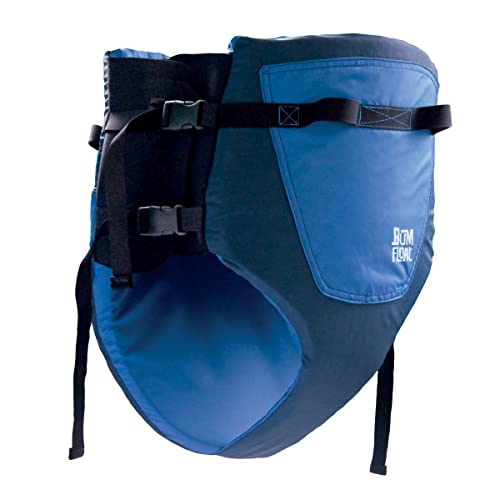
- Seated, hands-free floating design for adults
- Four adjustable straps for a custom fit
- Leg openings are designed to help reduce chafing
Best For: Adults looking for relaxed hands-free floating in calm water
Fitness Float Belt
O'Brien Vinyl Dipped Swim Belt

- Vinyl-coated foam provides comfortable buoyancy
- Adjustable strap helps the belt stay secure
- Built for water aerobics, rehab, and aqua jogging
Best For: Adults doing pool fitness or rehabilitation exercises
Neck Support Pick
Geelin Adult Swim Collar for Head & Neck Support

- Non-inflatable foam-particle fill
- Adjustable fit for most adult necks
- Designed for therapy and swim training
Best For: Adults needing head and neck buoyancy support
Pool Exercise Pick
New Aqua Deluxe Adult Flotation Belt

- Neutral buoyancy for torso support
- Adjustable fit from 20 to 60 inches
- Built for low-impact aquatic exercise
Best For: Adults doing water aerobics and pool rehab exercises
Adjustable Swim Training Belt
Kemp USA Learn 2 Swim Float Belt for Children

- Three repositionable EVA foam blocks
- Soft closed-cell EVA construction
- Adjustable waist fit for supervised training
Best For: Children learning swim basics in supervised lessons
Toddler Swim Vest Trainer
SwimSchool TOT Swim Trainer Vests for Toddlers Ages 2-4
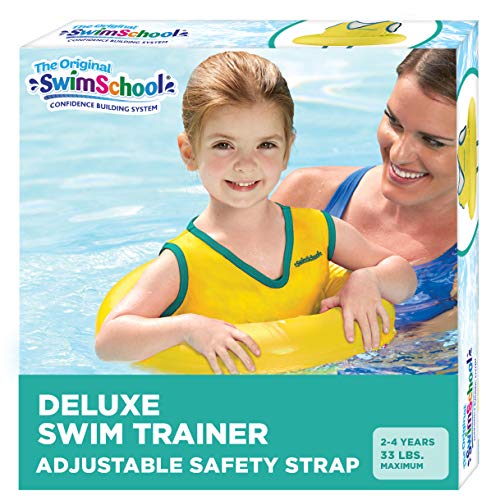
- Chest-high fit for stability and arm movement
- Adjustable strap seat for a secure fit
- UPF 50 stretch fabric with durable vinyl tube
Best For: Toddlers ages 2-4 learning basic swim confidence
Kids Swim Belt for Water Aerobics
Adjustable Toddler Swim Float for Pool Exercise
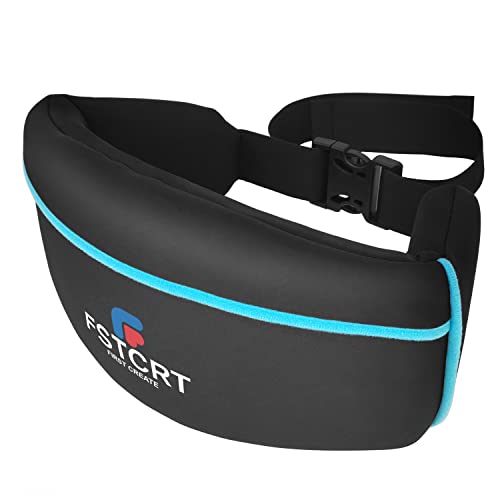
- Buoyancy support for exercise and swim training
- Soft diving fabric with three-section design
- Adjustable fit for waists 20 to 31 inches
Best For: Water aerobics, rehab-style exercise, and swim practice
Neck Support Float – Kiefer Neoprene Float Swim Collar
If you need a special needs flotation device for head and neck support in the water, this Kiefer neoprene swim collar is built for that kind of use. It is filled with Styrofoam pellets instead of being inflatable, so there is no pump-up step, and it is designed to help keep the head above water during deep water exercise or aquatic flotation therapy.
Best For: Adults who need neck support for water therapy, spinal cord injury support, or assisted floating.
Pros:
- Filled with Styrofoam pellets, so there is no inflation required.
- Helps keep the head above water for therapy and supported floating.
- Quick-release adjustable slide fastener avoids Velcro that can damage swimwear.
- Made from black neoprene that dries quickly.
Cons:
- Designed for adults, so it is not a general all-ages option.
- Primarily a buoyancy aid rather than a full life-saving device.
For shoppers prioritizing neck support and easy setup, this collar is a practical choice. Its non-inflatable build and therapy-focused design make it especially useful for users who need stable flotation during controlled water activity.
Buoyancy Belt – CanDo Swim Belt with Three Floats
As a special needs flotation device for pool exercise, this CanDo swim belt is a simple buoyancy aid that uses three oval floats to help support the body in water. It is a compact, lightweight option for users who want added flotation without the bulk of a collar or vest.
Best For: Water exercise users who want a basic flotation belt with multiple buoyancy points.
Pros:
- Uses three oval floats for added support in the water.
- Lightweight at 3.8 ounces, making it easy to wear and move in.
- Compact belt format is less bulky than many flotation aids.
Cons:
- Supplied notes do not include sizing or fit details.
- Less specialized than a therapy collar for head and neck support.
This belt is best viewed as a straightforward buoyancy helper for pool routines. If you want a low-profile flotation aid with simple construction, it offers an easy entry point for water support.
Hands-Free Float – BumFloat Floating Pants
This special needs flotation device takes a different approach by supporting the lower half of the body so adults can sit and float with their hands free. The adjustable, wearable design is made for calm water settings like pools, lakes, rivers, or relaxed ocean use, and it is intended to let you float without treading water.
Best For: Adults who want a hands-free seated float for relaxed recreational water use.
Pros:
- Hands-free design lets you sit and float without holding onto anything.
- Four adjustable straps help create a custom fit.
- Non-restrictive leg openings are designed to reduce chafing.
- Suitable for calm water settings such as pools, lakes, and rivers.
Cons:
- Made for recreational floating, not therapy-focused support.
- Best for calm water rather than active swimming conditions.
For users who want more freedom and less effort in the water, this float stands out for its seated, wearable format. It is a fun and practical option when comfort and hands-free hanging out matter more than traditional flotation style.
Fitness Float Belt – O'Brien Vinyl Dipped Swim Belt
For buyers looking for a special needs flotation device that supports upright pool movement, this O’Brien swim belt is built for water aerobics, rehab exercises, and low-impact training. Its vinyl-coated foam construction is meant to provide reliable buoyancy while staying comfortable during extended time in the water.
Best For: Adult water fitness, aqua jogging, and rehab-style pool workouts.
Pros:
- Soft vinyl-coated foam offers supportive buoyancy for exercise.
- Adjustable belt strap helps provide a snug, stay-put fit.
- Designed for water aerobics, rehab exercises, and aqua jogging.
- Chlorine-resistant materials are built for frequent pool use.
Cons:
- Primarily designed for fitness and rehab, not full-body flotation.
- Only one size listed in the supplied details.
This is a strong fit if your priority is stable support for structured pool activity. It balances comfort, durability, and ease of use in a format that suits regular water exercise sessions.
Neck Support Pick – Geelin Adult Swim Collar for Head & Neck Support
If you’re shopping for a special needs flotation device that keeps the head and neck supported in the water, this Geelin swim collar is built for that purpose. It uses a foam-particle fill instead of inflation, so it’s ready to use right away and offers a softer, more stable feel during pool therapy or adult swim training.
Best For: Adults who need head and neck buoyancy support for therapy, water exercise, or learning to swim.
Pros:
- Non-inflatable design with neoprene and foam plastic particles for immediate use.
- Adjustable quick-release buckle helps fit most adult neck sizes within the stated range.
- Arc-shaped support is designed to reduce resistance and help with balance in the water.
- Made for low-restriction movement so arms and legs can swing more freely.
Cons:
- Requires careful neck measurement before purchase to confirm fit.
- Designed for buoyancy support, not as a full life-saving rescue device.
- Maximum weight capacity is listed at 100 kg.
For adults who need a supportive pool aid, this collar stands out for comfort, easy setup, and a shape intended to help maintain a more balanced position in the water. It’s especially relevant when the goal is therapy or swim practice rather than general recreational floating.
Kid Swim Aid Pick – Limmys Adjustable Neoprene Swim Vest
For families comparing a special needs flotation device for supervised water time, this Limmys swim vest focuses on controlled buoyancy and comfort. The removable foam panels let you reduce support gradually, which makes it useful when the goal is to build confidence and swimming skills step by step.
Best For: Toddlers and kids learning to swim under supervision with adjustable buoyancy support.
Pros:
- CE-certified and made to EN 13138-1:2021/AC:2022 safety standards.
- 8-panel buoyancy system with removable foam panels for progressive skill development.
- Soft neoprene construction is designed for comfort during longer swim sessions.
- Secure details include dual buckles, safety zipper, and an adjustable under-crotch strap.
Cons:
- It is a swim aid, not a U.S. Coast Guard-approved life jacket.
- Must be used under supervision rather than as an independent safety device.
- Fit is size-specific, so checking chest measurements matters.
This vest is a strong option when you want a child-focused flotation aid that supports learning without adding unnecessary bulk. The combination of adjustable buoyancy and secure construction makes it practical for regular pool sessions.
Pool Exercise Pick – New Aqua Deluxe Adult Flotation Belt
If your version of a special needs flotation device is a simple, supportive belt for aquatic exercise, this New Aqua model is aimed at low-impact pool movement. Its neutral buoyancy design is meant to help keep the torso supported for water walking, jogging, cross-training, and rehab-style workouts.
Best For: Adults doing water aerobics, rehab exercises, or pool walking and jogging.
Pros:
- Soft foam construction provides neutral buoyancy around the torso.
- Adjustable strap and buckle fit waists from 20 to 60 inches.
- Fabric-covered, contoured design is made to feel softer on skin.
- Chlorine-resistant EVA foam supports repeated aquatic exercise use.
Cons:
- Limited weight capacity is listed at 168 pounds.
- Offers torso support only, not head or neck stabilization.
- Best suited to exercise use rather than general flotation assistance.
This belt is the most straightforward choice in the group for pool fitness and rehab routines. It emphasizes comfort, adjustability, and low-impact support rather than full-body flotation.
Adjustable Swim Training Belt – Kemp USA Learn 2 Swim Float Belt for Children
If you’re looking for a special needs flotation device for supervised swim instruction, this Kemp USA float belt is built around gradual support and skill progression. The adjustable EVA foam blocks let you change buoyancy as a child becomes more confident, making it a practical option for structured pool lessons and training sessions.
Best For: Children who need a customizable swim training aid for supervised lessons and pool practice.
Pros:
- Three repositionable EVA foam blocks allow buoyancy adjustment
- Closed-cell EVA foam feels soft and is water-resistant for repeated pool use
- Adjustable waist strap and buckle help keep the belt secure during drills
- Suitable for swim instruction, pool training, and aqua aerobics
Cons:
- Not a life-saving device
- Requires responsible adult supervision at all times
- Designed for training, not independent flotation
This is a solid choice if your priority is a simple, adjustable aid that can be dialed down over time. It fits best in coached environments where buoyancy control matters more than full-time float support.
Toddler Swim Vest Trainer – SwimSchool TOT Swim Trainer Vests for Toddlers Ages 2-4
If you need a special needs flotation device for a toddler who is still building water confidence, this SwimSchool vest is designed to support early swim learning. It sits high on the chest for stability, leaves room for arm movement, and uses a secure adjustable fit for supervised pool time.
Best For: Toddlers ages 2-4 who are learning to swim with adult supervision.
Pros:
- Chest-high positioning supports stability and free arm movement
- Adjustable safety strap seat helps improve fit
- Stretchy UPF 50 fabric is gentle on skin and adds sun protection
- Durable vinyl tube includes a no-leak air valve
Cons:
- Must be fully inflated before use
- Adult supervision is required in the water
- Only suitable for toddlers within the listed age and weight range
This vest makes sense if portability and simple swim-training support are your priorities. It’s a practical pool floatie for early learners, but it should be treated as a training aid rather than independent protection.
Kids Swim Belt for Water Aerobics – Adjustable Toddler Swim Float for Pool Exercise
For buyers comparing a special needs flotation device for pool exercise and swim support, this adjustable kids’ swim belt is aimed at buoyancy, comfort, and movement. Its three-section design and removable EPE lining make it useful for water aerobics, rehabilitative exercises, and swimming practice where a close fit matters.
Best For: Children who need buoyancy support for water aerobics, rehab-style exercise, or swim training.
Pros:
- Provides buoyancy for water jogging, walking, and swim training
- High-quality diving fabric is softer and more comfortable than traditional EVA belts
- Three-section design sits closer to the body for easier wear
- Adjustable strap fits waists from 20 to 31 inches
Cons:
- EPE lining can be removed, so it needs care when handling and cleaning
- Belt is not waterproof and requires a separate waterproof bag for small items
- Intended as a buoyancy aid, not a life-saving device
This belt is best when you want a more exercise-oriented flotation aid with a comfortable, body-hugging feel. It’s a versatile option for coached water activity, especially if you want support that can work beyond basic swim lessons.
How We Picked the Best Special Needs Flotation Device
We looked for options that address different support needs, including neck stability, torso flotation, hands-free balance, and swim-training help. We prioritized fit range, ease of adjustment, non-inflatable construction where relevant, and designs suited to pools, therapy settings, or supervised recreational use.
Quick Comparison
Some products in this roundup are built for upper-body support, while others are better for buoyancy during lessons or aerobic movement. A Special Needs Flotation Device should match the swimmer’s goal: calmer positioning, more independence, or easier movement in the water.
Key Buying Factors for a Special Needs Flotation Device
Support Type
Choose head-and-neck support if the user has limited control or tires easily. Pick a swim belt or vest if the goal is to keep the torso higher while allowing arms and legs to move freely. Hands-free designs can help with relaxation and recreational floating, but they still require careful supervision.
Fit and Adjustability
Correct fit matters more than brand names. Look for adjustable straps, multiple sizing options, and designs that stay secure without rubbing. A good Special Needs Flotation Device should feel stable when the user changes position, not just when standing still.
Material and Construction
Non-inflatable foam or pellet-filled designs can reduce setup hassle and avoid air-leak concerns. Soft, vinyl-dipped, or padded materials may improve comfort for longer sessions, especially for children or users with sensory sensitivities.
Use Environment
Match the product to the setting. Water aerobics belts suit lap lanes and exercise classes. Toddler vests and swim trainers are better for learn-to-swim sessions. Adult flotation collars or belts are more appropriate for calm pool use or supervised therapy-style water time.
Who Should Buy Which Special Needs Flotation Device?
If head support is the main concern, start with a collar-style option. If the goal is exercise or upright buoyancy, choose a swim belt. For young children learning water confidence, a fitted vest or trainer can provide more all-around support. The best Special Needs Flotation Device is the one that balances comfort, stability, and the swimmer’s specific needs while always being used with close adult supervision.