Vestibular play can help children build balance, body awareness, and confidence through movement. The right equipment can also make therapy sessions and home practice feel more like play than work.
Below, we focus on kid-friendly options that support core stability, coordination, and sensory regulation without overwhelming young users.
Best 10 Vestibular Therapy Equipment for Children Picks for 2026
Sensory Seating Pick
Wobble Cushion with Inflation Pump

- Helps kids stay focused while seated
- Supports balance, core stability, and posture
- Includes pump and adjustable inflation
Best For: Sensory seating and light balance practice for kids
Obstacle Course Choice

- Combines stepping stones with a balance board
- Supports coordination and gross motor skills
- Stackable and easy to store
Best For: Active obstacle-course play for toddlers and young kids
Classroom Balance Tool

- Helps kids stay focused while seated
- Supports balance, coordination, and flexibility
- Includes pump and non-slip surface
Best For: Classroom seating and basic balance practice
Movement and Stability Set

- Two-sided pods offer varied balance challenges
- Tactile surface adds grip and sensory input
- Set of 6 supports active play and exercise
Best For: Versatile stepping and balance practice with tactile feedback
Indoor/Outdoor Wobble Play

- Rocking seat with molded grip handles
- Flips into a climbing and jumping structure
- No assembly; indoor/outdoor use
Best For: Toddlers and young kids needing active balance play
Kid Seating Balance
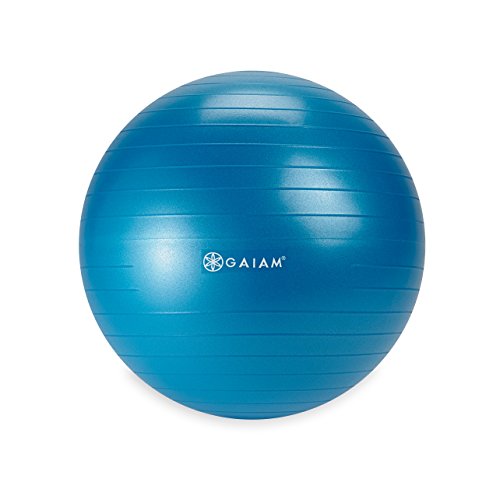
- Sized for active sitting and exercise
- Works for homework, classroom, or TV time
- Includes pump; supports up to 200 lbs
Best For: Children who benefit from an active seating option
Portable Balance Trainer

- Compact 14-inch inflatable balance disc
- Dual-textured surface for grip and feel
- Works as a trainer or seat cushion
Best For: Older children or family use in a compact format
Kid-Friendly Balance Course
Stackable Stepping Stones & Beam Set

- 13-piece course with 5 stones and 8 beams
- Supports coordination, agility, and spatial awareness
- Lightweight, portable, and easy to store
Best For: Kids ages 2 to 12 who need a fun balance obstacle course
Classic Wobble Trainer
Wooden Balance Board for Kids & Family

- Fully assembled wooden wobble board
- Non-slip base and textured surface for stability
- Supports up to 350 lbs for kids and adults
Best For: Simple balance practice and family use at home
Focus-Boosting Wobble Game
Maze Balance Board with Challenge Balls

- 2-in-1 wobble board and ball-maze game
- Three maze levels and three ball materials
- Quiet, floor-friendly base for indoor play
Best For: Kids who want a more engaging balance and focus challenge
Sensory Seating Pick – Wobble Cushion with Inflation Pump
For families looking at vestibular therapy equipment for children, this wobble cushion offers a simple way to add movement while seated. It is designed to help sensory kids stay focused during class, reading, or mealtime, while also supporting balance, core stability, and posture practice.
Best For: Sensory children who need seated movement input for focus, posture, and balance work.
Pros:
- Can help children sit still longer and stay focused at a desk or table.
- Supports balance, core strength, coordination, and posture.
- Includes an inflation pump so firmness can be adjusted.
- Made from non-toxic PVC with a non-slip dual-texture surface.
Cons:
- Works best as a seated sensory tool, not as a full therapy station.
- Requires inflation and occasional adjustment to get the right feel.
This is a practical pick if you want a compact balance disc that blends classroom seating support with light movement practice. Its strongest value is versatility: it can be used for seated sensory input, basic balance exercises, and simple core work.
Obstacle Course Choice – 2-in-1 Turtle Stepping Stones
If you are shopping for vestibular therapy equipment for children, this 2-in-1 playset adds a lot of movement variety. It combines turtle stepping stones and a balance board maze, giving kids options to walk, jump, climb, and challenge coordination through active play.
Best For: Toddlers and young kids who learn balance through obstacle courses, stepping, and maze play.
Pros:
- Includes 5 stepping stones plus 1 balance board for multiple play patterns.
- Encourages coordination, balance, and gross motor skill development.
- Stackable design makes storage easier after play.
- Non-slip rubber base and textured surface add safety.
Cons:
- Best suited to active play spaces rather than quiet seated use.
- Designed for ages 3-8, so it may be too simple for older kids.
For children who need movement-based vestibular input, this set is a good all-in-one option. The maze board adds a different kind of balance challenge, while the stepping stones keep the activity physical and engaging.
Classroom Balance Tool – Trideer Wobble Cushion
For parents and teachers comparing vestibular therapy equipment for children, this wobble cushion is a straightforward seated option. It is meant to help children stay focused while sitting, while also giving them a way to practice balance, core strength, and coordination with a stable, adjustable disc.
Best For: Children who need a seated movement option for classroom focus and basic rehab-style balance work.
Pros:
- Supports focus during reading, classwork, and meals.
- Can be used to train balance, coordination, and flexibility.
- Includes an inflation pump for easy firmness adjustment.
- Non-slip surface adds stability during use.
Cons:
- Primarily a seated cushion, so it offers limited whole-body activity.
- Single-disc design may not be enough for more varied obstacle play.
This cushion makes sense if you want a familiar classroom-style tool with a rehab-friendly angle. Its combination of seating support and balance training makes it useful for everyday sensory routines.
Movement and Stability Set – HEY! PLAY! Balance Pods
When you want vestibular therapy equipment for children that feels more like active play, these balance pods are a strong fit. The half-dome design can be used dome-side up or flat-side up, giving kids different levels of challenge for balance, coordination, posture, and body awareness.
Best For: Kids who benefit from versatile stepping and balance exercises with an added tactile feel.
Pros:
- Two-sided design creates different difficulty levels.
- Tactile bumps on top add grip and sensory input.
- Can be used for balance, coordination, posture, and core strength.
- Set of 6 offers more movement options than a single-piece tool.
Cons:
- Less compact than a single cushion or disc.
- Open-ended play style may require more space and supervision.
This set is a practical choice for families or therapists who want flexible movement stations. The ability to switch between dome and flat sides makes it easier to scale the challenge as a child’s balance skills improve.
Indoor/Outdoor Wobble Play – Two-Sided Rock Around Disk
If you’re comparing vestibular therapy equipment for children, this two-sided rocker offers a simple way to add movement-based play at home or in an activity space. The bowl-shaped side gives toddlers and young kids a rocking seat with molded grip handles, while flipping it over turns the same piece into a climbing and jumping structure.
Best For: Toddlers and young children who need active, balance-focused play indoors or outdoors.
Pros:
- Two-sided design adds rocking on one side and climbing/jumping play on the other.
- Molded-in grip handles help young children hold on while moving.
- One-piece, no-assembly construction makes it easy to use right away.
- Weatherproof plastic build is made for indoor or outdoor use.
Cons:
- Designed for ages 24 to 60 months, so it’s not intended for older kids.
- Manual play piece only; it does not include adjustable resistance or settings.
For families wanting a durable, movement-based option, this wobble disk stands out for its simplicity and versatility. It’s less of a therapeutic tool with adjustable features and more of a sturdy active-play piece that can support coordination and balance practice through regular movement.
Kid Seating Balance – 45cm Balance Ball
For buyers looking at vestibular therapy equipment for children, this 45 cm balance ball is a straightforward option for active sitting, movement breaks, and balance-focused play. It’s sized for kids and can be used as a seat for homework, TV time, classroom seating, or exercise, with the constant motion encouraging posture and focus.
Best For: Kids who need an active seating alternative for home, classroom, or playtime use.
Pros:
- Kid-sized 45 cm ball is designed for active sitting and exercise.
- Can be used for homework, classroom seating, yoga, or playtime.
- Includes an air pump for easy inflation.
- Rated for up to 200 lbs, adding useful versatility for child seating.
Cons:
- Requires inflation and may need to be re-inflated after the initial setup.
- Not as structured as a dedicated chair, so it may not suit every child or setting.
This is a practical pick if you want one piece that can work as both a seat and a movement tool. It’s best viewed as an active-sitting aid that supports balance and posture rather than a specialized therapy device.
Portable Balance Trainer – 14-Inch Core Disc
If you’re shopping for vestibular therapy equipment for children, this balance disc offers a compact way to practice stability, posture, and core control. It’s a 14-inch inflatable disc with a dual-textured surface, so it can be used as a balance trainer or as a seat cushion when you want a smaller alternative to a stability ball.
Best For: Older children or family use when a compact balance cushion is preferred.
Pros:
- Compact 14-inch design is easy to move and store.
- Dual-textured surface provides a non-slip grip with two feel options.
- Can be used for balance training or as a seat cushion.
- Includes a hand pump for easy inflation and deflation.
Cons:
- Listed for adults, so it is not specifically designed for children.
- Smaller size may feel less stable than a larger balance ball for some users.
This is the most portable option in the group, and its cushion-like format makes it easy to slot into a home or exercise routine. Because it’s not sized specifically for kids, it makes the most sense when you want a general-purpose balance disc rather than child-focused equipment.
Kid-Friendly Balance Course – Stackable Stepping Stones & Beam Set
If you’re comparing vestibular therapy equipment for children, this 13-piece stepping stone and balance beam set is a simple way to build movement skills through play. The textured stones and colorful beams can be rearranged into endless obstacle courses, making it useful for coordination, spatial awareness, and active indoor or outdoor sessions.
Best For: Toddlers and kids ages 24 months to 12 years who need a playful balance and coordination activity.
Pros:
- Includes 5 textured stepping stones and 8 balance beams for varied course layouts
- Supports coordination, agility, concentration, and spatial awareness
- Lightweight and portable for indoor or outdoor play
- Stackable design makes storage easier
Cons:
- Weight limit is 110 pounds
- Manual setup required to create each course
Overall, this is a flexible gross-motor play set that keeps the focus on balance practice without feeling overly structured. It works well when you want an approachable vestibular therapy-style activity that can be changed up frequently to hold a child’s interest.
Classic Wobble Trainer – Wooden Balance Board for Kids & Family
For shoppers looking at vestibular therapy equipment for children, this wooden wobble board offers a straightforward balance challenge with a sturdy, no-assembly design. It’s intended to help kids develop balance and body coordination, while the non-slip base and 350-pound capacity also make it practical for family use or parent-child play.
Best For: Kids who want a simple wobble board for balance practice, core engagement, and active play at home.
Pros:
- One-piece design comes fully assembled
- Non-slip silicone edge and textured surface help improve stability
- Supports up to 350 pounds, so adults can use it too
- Made from non-toxic, odorless hardwood plywood
Cons:
- Single-board design offers less variety than multi-piece balance sets
- No built-in game features for children who want more sensory challenge
This is a solid pick if you want a durable balance tool that stays simple and easy to use. It leans more toward classic balance training than play-based obstacle activities, which can be a plus for families that want a reliable practice surface.
Focus-Boosting Wobble Game – Maze Balance Board with Challenge Balls
If you want vestibular therapy equipment for children that feels more like a game, this 2-in-1 balance board combines wobble training with a ball maze. The swappable maze plates and different challenge balls let you adjust difficulty as kids grow, while the 15-degree tilt and quiet rubber base keep the activity active and indoor-friendly.
Best For: Children ages 3 to 12 who need a screen-free balance toy with built-in focus and coordination challenges.
Pros:
- Combines a wobble board with a ball-maze sensory activity
- Three swappable maze plates and three balls create progressive difficulty
- Designed to support balance, core stability, and body awareness
- Quiet rubber buffers help protect floors and reduce noise
Cons:
- Smaller size may be less suitable for larger kids near the upper age range
- Made from polyethylene rather than wood
This option stands out for kids who stay engaged longer when a balance task also includes a hands-on challenge. It’s a practical pick for families wanting a more stimulating vestibular-style toy that still focuses on movement, control, and concentration.
How We Picked the Best Vestibular Therapy Equipment for Children
For this roundup of Vestibular Therapy Equipment for Children, we prioritized products that are age-appropriate, stable, easy to use, and versatile enough for both home and therapy settings. We also looked for materials that feel durable, features that reduce slipping, and designs that encourage repeated use rather than short-term novelty.
Quick Comparison
Most of these picks fall into a few useful groups: wobble cushions for seated sensory input, balance boards for core and ankle control, stepping-stone sets for coordination and motor planning, and larger movement pieces for climbing, rocking, or more active vestibular play. Choosing the right type depends on whether you want seated support, standing balance work, or full-body movement.
Key Buying Factors for Vestibular Therapy Equipment for Children
Safety and Stability
Look for non-slip bases, rounded edges, and weight limits that clearly match your child’s size and activity level. For younger children, equipment with lower heights and wider contact surfaces is usually easier to manage.
Movement Challenge
Some children benefit from gentle motion, while others need a more active challenge. Wobble discs and cushions offer subtle movement, while boards, beams, and stepping stones typically demand more balance control and coordination.
Use Case
If the goal is classroom seating or quiet sensory input, a wobble cushion may be the best fit. For gross motor practice, obstacle courses, and therapy routines, balance boards, pods, beams, and climbing-style equipment are usually more useful.
Size and Storage
Measure the space before buying. Larger pieces can be excellent for active play, but smaller stackable or inflatable options may be easier to store and move between rooms.
Age and Skill Level
Match the challenge to the child. Beginners often do best with low-risk items that offer predictable movement, while older kids may enjoy more dynamic Vestibular Therapy Equipment for Children that supports progressive skill building.
Who Should Buy Which Vestibular Therapy Equipment for Children?
Choose a wobble cushion if you want flexible seating and subtle sensory input. Pick a balance board if your child needs core work, posture practice, or a more active balance challenge. Stepping stones and balance beams are ideal for obstacle courses, coordination games, and therapy activities that keep kids moving. Larger climbing or rocking equipment makes sense when you want a more immersive play-based setup and have enough room for it.
In general, the best choice is the one that fits your child’s current abilities and keeps them engaged often enough to build skills over time. The most effective Vestibular Therapy Equipment for Children is the gear they can use safely, comfortably, and repeatedly.