Potty training works best when the routine is clear, consistent, and easy to follow. A visual toilet training chart for autism can reduce confusion by breaking each step into simple, predictable actions.
Below, we focus on chart styles that support independence, durability, and everyday use in homes, classrooms, and therapy settings.
Best 10 Visual Toilet Training Chart for Autism Picks for 2026
Classic PCS Routine Board

- Genuine PCS symbols for clear step-by-step guidance
- Waterproof plastic board is durable and easy to clean
- Compact design fits neatly beside the toilet
Best For: Toddlers and autistic children who need a durable visual toileting routine
ABA/OT Step Chart
Potty Training Visual Schedule
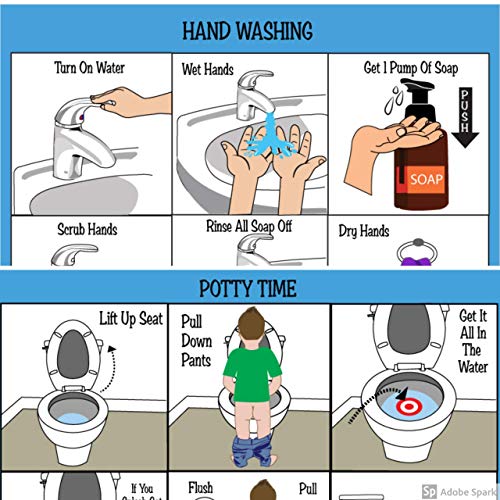
- Laminated step-by-step chart with clear pictures
- Designed for autism, special needs, and self-care support
- Colorful format aims to make learning easier
Best For: Kids who need a simple, picture-led potty routine
PVC Toilet Steps Chart

- PVC chart is easy to clean and self-adhesive
- Works for children, teens, and adults
- Built to reinforce toilet routine independence
Best For: Families needing a durable bathroom visual for a wider age range
Toilet Routine PECS Set

- 12 toilet routine flashcards for visual communication
- Portable set includes a box and bungee clip
- Supports speech, recognition, and anxiety reduction
Best For: Users who need portable toilet routine communication cards
Waterproof Adhesive Poster
Waterproof Adhesive Step Chart

- Semi-flexible plastic is waterproof and easy to clean.
- Adhesive format fits neatly beside a toilet.
- Clear steps support visual potty training routines.
Best For: Children who need a durable, easy-to-see toileting routine chart
ABA-Approved Laminated Chart

- Laminated step-by-step chart supports repeated use.
- Colorful pictures help make routines easier to follow.
- Made for children with autism and special needs.
Best For: Families wanting a compact reusable self-care chart with visual steps
Spanish PCS Visual Chart

- Waterproof plastic is durable and easy to clean.
- Uses genuine PCS symbols familiar to many children.
- Simple layout avoids overwhelming visual clutter.
Best For: Spanish-speaking families wanting a sturdy PCS-based potty schedule
Girls Potty Chart
Step-by-Step Laminated Chart for Kids
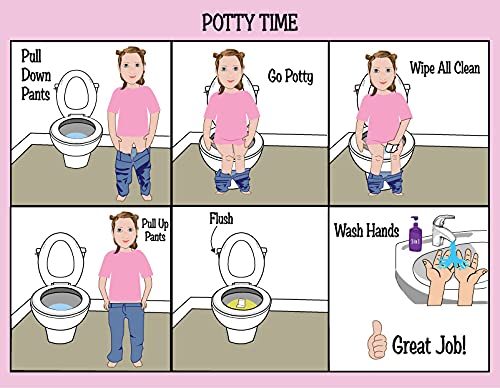
- Laminated step-by-step visual routine
- Designed for autism and special needs
- Aims to build independence and confidence
Best For: Children who need picture-based potty routine support
ASD Toilet Schedule
Step-by-Step Visual Potty Chart
- Clear step-by-step toileting visuals
- Waterproof, easy-clean PVC material
- Made for autism, ASD, and ADHD support
Best For: Homes or classrooms needing a durable potty routine chart
Brrnoo Potty Schedule
Laminated Visual Schedules for Children

- Clear step-by-step toileting cues
- Durable PVC with self-adhesive backing
- Works for toddlers through adults
Best For: Caregivers needing a durable, broad-age potty visual
Classic PCS Routine Board – Visual Schedule for Autism
This visual toilet training chart for autism uses clear Picture Communication Symbols to break toileting into simple, easy-to-follow steps. It is designed for children who learn visually and for families who want a straightforward routine chart that can support independence without feeling overwhelming.
Best For: Toddlers, autistic children, and classrooms that need a durable, easy-to-follow toilet routine chart.
Pros:
- Uses genuine PCS symbols familiar to many children from school or therapy
- Simple all-in-one layout fits neatly next to the toilet
- Plastic construction is waterproof, durable, and easy to clean
- Designed to support independent personal hygiene and confidence
Cons:
- Made for a fairly specific routine, so it is not a broad multi-skill system
- Best suited to visual learners rather than children who prefer verbal cues
This is a practical choice if you want a sturdy, discreet chart that can stay in place long term. Its strength is clarity: the steps are simple, visual, and designed to reduce confusion during potty training.
ABA/OT Step Chart – Potty Training Visual Schedule
If you are comparing a visual toilet training chart for autism, this laminated step-by-step schedule is built around simple pictures and routine support. It is intended to help children follow the next step on their own while making self-care feel more manageable.
Best For: Children with autism or special needs who benefit from colorful, easy-to-follow self-care visuals.
Pros:
- Clear picture-based steps support independence and self-care
- Laminated chart is practical for repeated use
- Colorful design may help keep children engaged
- Created for children with autism and special needs
Cons:
- Product details do not specify waterproof or rigid construction
- Focuses on visual sequencing rather than communication cards
This chart is a sensible pick if you want a simple, visual routine aid that emphasizes independence. The main appeal is its easy-to-follow layout, which can help turn a stressful task into a more predictable one.
PVC Toilet Steps Chart – ASD Visual Schedule
This visual toilet training chart for autism is a step-by-step toileting schedule made for children and adults who need clear visual support. Its PVC build and self-adhesive backing make it a practical option for bathrooms where you want an easy-to-clean aid that stays in place.
Best For: Children, teens, and adults with autism, ADHD, or ASD who need a reusable bathroom routine chart.
Pros:
- Clear visual steps support toileting independence
- Semi-flexible PVC material is easy to clean
- Self-adhesive design helps with simple application
- Suitable for both younger children and older users
Cons:
- Only one piece included, so it is a single-chart solution
- Best for users who respond well to posted visual reminders
This is a good fit if you want a bathroom chart that feels durable and low-fuss. The wider age range is useful, especially if you need the same visual support to work beyond the toddler years.
Toilet Routine PECS Set – Communication Flashcards
While not a wall chart, this visual toilet training chart for autism alternative uses PECS-style flashcards to support toilet routine communication. It is a useful choice for families who want portable visual cues to help explain steps, reduce anxiety, and support language development during bathroom routines.
Best For: Children, teens, and adults with autism, speech delay, or nonverbal communication needs.
Pros:
- 12 hand-drawn flashcards cover key toilet routine ideas and items
- Can support communication, recognition, and response skills
- Portable format includes a small box and bungee clip
- Lightweight cards are made with a resistant linen finish
Cons:
- Paper-based cards are less permanent than plastic wall charts
- Cards are better for portable communication than fixed step-by-step posting
This set makes sense if your priority is communication support rather than a bathroom-mounted routine board. It is especially helpful for families who want a flexible AAC-style tool that can travel with the child.
Waterproof Adhesive Poster – Waterproof Adhesive Step Chart
If you want a visual toilet training chart for autism that is simple to follow and easy to place near the toilet, this waterproof adhesive poster is built for everyday use. It gives children a clear step-by-step toileting routine in a format that is easy to see, helping support independent bathroom habits at home, in classrooms, or kids’ rooms.
Best For: Kids who need a clear, durable, wall-mounted toileting routine with simple visual steps.
Pros:
- Waterproof semi-flexible plastic is easy to clean and made for regular bathroom use.
- Adhesive poster format makes it easy to stick near a toilet without a frame.
- Clear step-by-step visuals support children who need extra toileting guidance.
- Useful for children with autism, ADHD, limited language, or visual learning needs.
Cons:
- English-only version may not suit bilingual or non-English households.
- Fixed poster format may not be as customizable as movable picture cards.
Overall, this is a practical choice if you want a durable potty-training visual that stays visible and low-maintenance. Its straightforward design focuses on routine, consistency, and independence rather than extra detail.
ABA-Approved Laminated Chart – Laminated Potty Routine Guide
This visual toilet training chart for autism is a laminated step-by-step guide designed to make self-care routines easier to follow. With colorful pictures and a simple structure, it can help children understand what comes next during potty training while supporting independence and confidence.
Best For: Children with autism or special needs who benefit from laminated visual self-care and potty routine support.
Pros:
- Laminated format is easy to handle and built for repeated use.
- Step-by-step pictures can help children follow toileting or self-care routines more easily.
- Designed for children with autism and special needs, with an ABA/OT-approved focus.
- Colorful presentation may make the routine more engaging for kids.
Cons:
- Product dimensions are smaller than some wall poster-style options.
- It focuses more broadly on self-care and shower routines than toilet training alone.
If you want a compact laminated chart that emphasizes routine, independence, and visual clarity, this is a solid option. It is especially appealing for families who prefer a reusable guide that is easy to reference during daily self-care practice.
Spanish PCS Visual Chart – Durable Plastic Visual Chart
For families looking for a visual toilet training chart for autism in Spanish, this durable plastic routine board is designed to give clear, simple support. It uses genuine picture communication symbols and a clean layout to guide children through toileting steps without overwhelming them with too much information.
Best For: Spanish-speaking households and classrooms that want a sturdy, PCS-based potty routine chart.
Pros:
- Premium plastic build is waterproof, durable, and easy to clean.
- Genuine PCS symbols may feel familiar to children who already use PECS at school or therapy.
- Simple layout is designed to be accessible and not overwhelming.
- Works well for children with autism, ASD, ADHD, or limited language communication.
Cons:
- Spanish version may not be the right fit for English-only users.
- Assembly is required, which adds a small setup step.
This is a strong choice if you want a long-lasting, symbol-based potty chart that supports consistency across home and school. The durable plastic construction and expert-designed visuals make it especially practical for everyday special education use.
Girls Potty Chart – Step-by-Step Laminated Chart for Kids
If you want a visual toilet training chart for autism that focuses on routine and independence, this laminated step-by-step potty chart gives children clear pictures to follow. It is designed for kids with autism or special needs and aims to make toileting easier, more predictable, and less stressful for families.
Best For: Children who benefit from picture-based self-care routines and a simple, confidence-building potty sequence.
Pros:
- Step-by-step laminated format makes the routine easy to follow.
- Built for children with autism or special needs, plus young learners.
- Colorful visual design is meant to keep potty training engaging.
- Focuses on independence and self-care skills.
Cons:
- Details are centered on girls potty training, so it may be less flexible for other setups.
- Chart format may be too basic for families wanting more customization.
This is a practical pick if you want a straightforward visual support tool that emphasizes clear steps and routine. Its main value is helping children participate in self-care with less confusion and more confidence.
ASD Toilet Schedule – Step-by-Step Visual Potty Chart
This visual toilet training chart for autism uses clear, step-by-step visuals to support children through toileting routines. Made from semi-flexible PVC and described as waterproof and easy to clean, it is built for practical daily use in homes or special education classrooms.
Best For: Families and classrooms that want a sturdy, easy-to-clean potty schedule with simple visual cues.
Pros:
- Clear visual schedule breaks the toileting process into defined steps.
- Semi-flexible PVC construction is waterproof and easy to clean.
- Self-adhesive backing makes placement simple on walls or surfaces.
- Designed for children with autism, ASD, and ADHD.
Cons:
- Product details are highly centered on the #311 style listing, with limited customization info.
- Basic chart format may not suit users who want a more detailed system.
For buyers who need a durable visual aid rather than a decorative chart, this option is a strong fit. Its practical materials and simple routine support make it easy to use every day.
Brrnoo Potty Schedule – Laminated Visual Schedules for Children
If you are comparing a visual toilet training chart for autism, this Brrnoo potty schedule offers clear cues and a simple step-by-step structure for toileting. It is made from semi-flexible PVC, includes a self-adhesive backing, and is intended to help children, older kids, and even adults build more consistent bathroom habits.
Best For: Caregivers who want a durable, easy-to-clean potty visual that can support a range of ages.
Pros:
- Clear visual cues help guide each step of the toileting process.
- Suitable for toddlers, older children, and adults needing reinforcement.
- Semi-flexible PVC material is durable, easy to clean, and hygienic.
- Self-adhesive backing makes it easy to apply to surfaces.
Cons:
- Listing information is broad, so it offers limited detail on customization.
- Style and size details may be less important for buyers wanting a more personalized chart.
This is a sensible choice when you want simple visual support with practical materials and broad age applicability. It focuses on helping users stay engaged while learning a predictable bathroom routine.
How We Picked the Best Visual Toilet Training Chart for Autism
We prioritized charts that make the toileting sequence easy to understand, especially for children who benefit from visual supports and repetitive routines. Strong picks typically offer step-by-step prompts, simple imagery, and formats that fit real daily use such as laminated cards, waterproof posters, and durable plastic charts.
We also looked for options that are practical in different environments, including special education classrooms, ABA settings, and family bathrooms. Ease of placement, wipe-clean surfaces, and portability mattered because the best chart is the one adults can actually keep using consistently.
Quick Comparison
Poster-style charts work well when you want a large, visible reminder near the toilet. Card-based sets are better if you need to move steps around, teach one action at a time, or use the chart outside the bathroom. Laminated and waterproof options are usually the easiest to clean and are a good fit for frequent use.
If you are choosing for a child with sensory sensitivities or limited attention, simpler layouts with fewer steps may be easier to follow. For classrooms or therapy rooms, a more durable chart with clear sequencing can support multiple learners over time.
Key Buying Factors for a Visual Toilet Training Chart for Autism
Clarity of the Sequence
Look for charts that show the toileting routine in a logical order, with each action clearly separated. The best designs reduce language demands and let the child follow along with minimal verbal prompting.
Durability and Cleanup
Bathrooms are humid and messy, so waterproof, laminated, or plastic materials tend to last longer. Easy-to-clean surfaces matter if the chart will be used daily by children, caregivers, or classroom staff.
Mounting and Placement
Choose a format that fits the space where the routine happens. Adhesive posters are convenient for walls, while loose cards or smaller sets may work better if you need portability or individualized instruction.
Age and Learner Fit
Some charts are best for young children just starting toileting routines, while others can support older kids, teens, or adults who still need visual independence cues. Match the design to the user’s developmental level, not just age.
Who Should Buy Which Visual Toilet Training Chart for Autism?
If you want a simple, always-visible reminder, choose a poster or wall chart. If you need flexibility for teaching, practice, or travel, a card set may be the better fit. Families looking for long-term use often do best with laminated or plastic options, while classrooms may prefer larger charts that can support consistent group routines.
For shoppers comparing the Visual Toilet Training Chart for Autism category, the best choice is the one that matches the learner’s routine, the environment, and how often the chart will be handled. Keep the design simple, durable, and easy for adults to use consistently.