The best wiggle seats for children give kids a discreet way to move while sitting for schoolwork, meals, reading, or other seated activities. These cushions and active seats vary widely in size, texture, inflation, and sensory features.
We compared 10 popular options to help parents, teachers, and caregivers find a comfortable match for a child’s age, seating setup, and preferred level of movement.
Best 10 Wiggle Seats for Children Picks for 2026
Best All-Around Cushion

- Gentle movement for sitting and learning
- Useful for balance and core exercises
- Pump and non-slip texture included
Best For: Families wanting flexible seating and exercise versatility
Best Chair-Style Option

- 360-degree movement for active sitting
- Textured footrest and padded seat
- Non-slip base with simple assembly
Best For: Children at least 48 inches tall, typically ages 8–12
Best for Younger Kids

- Sized for children ages 3–7
- Two tactile surfaces for sensory input
- Adjustable firmness with included pump
Best For: Preschool and early elementary seating
Best for Multi-Age Use
AppleRound Inflated Wobble Cushion
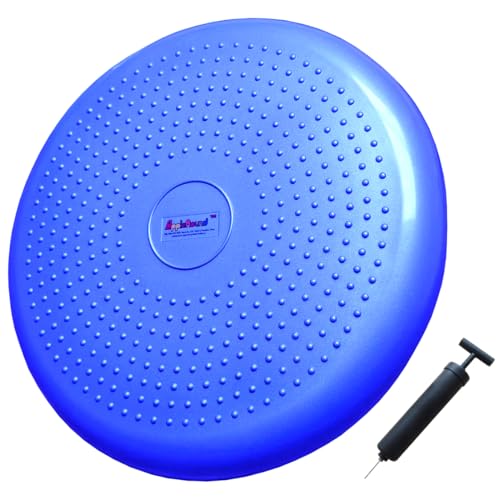
- Works for children and adults
- Two surfaces for sitting and standing
- Hand pump included
Best For: Shared home, classroom, office, or fitness use
Best Active Twist Seat

- Quiet 120-degree twisting motion
- Non-skid base for chairs or floors
- Wipe-clean design for ages 3+
Best For: Children who need movement during seated activities
Best Adjustable Wiggle Disc
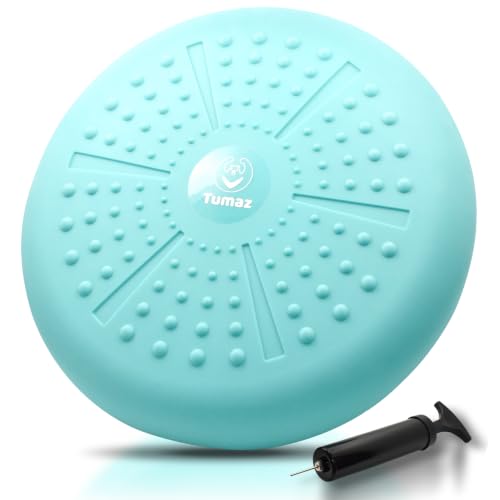
- Inflatable firmness adjustment
- Includes an air pump
- Works for sitting and core training
Best For: Children needing flexible seating with adjustable resistance
Best Vibrating Sensory Seat

- Quiet vibration for sensory input
- Textured, multi-use cushion
- Portable with washable cover
Best For: Sensory seekers who benefit from quiet vibration
Adjustable Balance Support

- Adjustable inflation with included pump
- Non-slip, dual-texture sensory surface
- Works for seating and balance exercises
Best For: Flexible sensory seating and balance practice
Four-Pack Classroom Value
Libima Inflated Wobble Cushions

- Four cushions for group seating
- Supports posture, balance, and attention
- Useful for seating, exercise, and movement
Best For: Classrooms and families needing multiple cushions
Tactile Active Learning

- Designed for focused seated movement
- Two tactile surfaces for sensory choice
- Pump included for customized firmness
Best For: School-age children needing quiet classroom movement
Best All-Around Cushion – Trideer Wobble Cushion
If you want wiggle seats for children that can also support family workouts, the Trideer Wobble Cushion is a versatile pick. Its inflatable balance surface provides gentle movement and sensory feedback for homework, reading, drawing, gaming, and classroom activities, while the non-slip texture and included pump add everyday convenience.
Best For: Families seeking one cushion for children’s flexible seating, balance practice, and adult exercise routines.
Pros:
- Supports gentle movement and sensory input while seated.
- Works for reading, learning, gaming, and quiet-time activities.
- Also functions as a balance disc for yoga, Pilates, stretching, and core training.
- Includes a pump and has a non-slip texture.
Cons:
- The 13.4-inch cushion may not suit every chair or user.
- Its inflatable, unstable surface may require an adjustment period.
This is a strong multipurpose choice when you want a children’s wiggle seat that can remain useful beyond classroom seating.
Best Chair-Style Option – GoSports 18-Inch Wobble Chair
GoSports 18 Inch Wobble Chair - Sensory Stool for Active Kids - ADHD Chair for Classrooms or Home
Check Price On AmazonFor shoppers who prefer a complete seat rather than a loose cushion, the GoSports Wobble Chair offers 360-degree wiggle, wobble, and tilt movement. It is designed for active children at least 48 inches tall, with a padded seat, textured footrest, non-slip rubber base, and handles for easier repositioning.
Best For: Children typically ages 8–12 who need a supportive, movable seat for classroom or home activities.
Pros:
- Allows natural movement while children remain seated.
- Textured footrest provides a sensory option for fidgety feet.
- Padded EVA foam seat supports greater comfort than an unpadded stool.
- Uses a non-slip base and requires simple, no-tool assembly.
Cons:
- Recommended height and age range make it less suitable for younger children.
- Has a 120-pound maximum weight recommendation.
- Less portable than a standalone wiggle cushion.
This chair is a practical fit when a child needs a dedicated active seat with built-in height and foot support rather than a cushion placed on an existing chair.
Best for Younger Kids – BouncyBand Wiggle Seat
The BouncyBand Wiggle Seat is a compact choice for younger children who need wiggle seats for children at home, school, or mealtimes. Its child-sized 10.75-inch design, two tactile surfaces, adjustable firmness, and included pump make it easy to tailor the seating experience for children ages 3–7.
Best For: Preschool and early elementary children who benefit from quiet movement and tactile sensory input while seated.
Pros:
- Designed specifically for children ages 3–7.
- Provides two textures: flexible nubs and smaller bumps.
- Firmness can be adjusted with the included pump.
- Compact size conforms to a child and chair.
Cons:
- The small size may be limiting for older children or adults.
- It is intended for indoor use.
- Adjusting firmness requires manual inflation.
Among these options, this is the most specifically tailored to young children, especially when a smaller cushion and tactile choices matter more than all-purpose exercise use.
Best for Multi-Age Use – AppleRound Inflated Wobble Cushion
The AppleRound Inflated Wobble Cushion is a flexible option for households that need wiggle seats for children but also want adult usability. Its 13.5-inch PVC cushion has a subtle-dimple side for sitting, a larger-dimple side for standing, and an included hand pump for quick inflation.
Best For: Homes, classrooms, offices, therapy settings, and fitness spaces serving both children and adults.
Pros:
- Suitable for both children and adults.
- Offers different surfaces for seated use and standing balance work.
- Includes a hand pump for inflation.
- Supports sensory seating as well as balance, coordination, flexibility, and stability exercises.
Cons:
- The larger 13.5-inch size may be less child-specific than a small cushion.
- Inflation requires correctly inserting the pump pin through the valve.
- The textured standing side may not be preferred for every seated user.
This is a sensible multi-user pick when one durable PVC cushion needs to cover children’s seating, adult workouts, and standing balance practice.
Best Active Twist Seat – BouncyBand Sit & Twist
The BouncyBand Sit & Twist is a practical choice among wiggle seats for children who like to move while seated. Its rotating pivot disc allows quiet twisting, while the non-skid base helps keep the cushion stable on a chair or floor.
Best For: Children ages 3 and up who need movement during classroom work, homework, or mealtimes.
Pros:
- 120-degree rotating disc supports quiet twisting and active sitting.
- Non-skid base works on standard chairs or floors.
- Durable, wipe-clean vinyl construction supports frequent use.
- Supports up to 300 pounds according to the supplied product information.
Cons:
- Twisting movement may not suit children who prefer a stationary cushion.
- The 12-inch size is designed for children rather than larger seating areas.
This cushion stands out for its simple, movement-focused design and easy cleanup. It is a strong fit when a child benefits from active seating without added electronics or batteries.
Best Adjustable Wiggle Disc – Tumaz Wobble Cushion
The Tumaz Wobble Cushion is an inflatable option for families comparing wiggle seats for children. Its 13-inch balance disc provides flexible seating, and the included pump lets users adjust the air pressure for sitting, posture practice, or core exercises.
Best For: Children or students who want adjustable active seating for school, homework, or desk use.
Pros:
- Air pressure can be adjusted to change the sitting feel.
- Includes a pump for inflation and deflation.
- Supports up to 330 pounds according to the supplied product information.
- Can also be used for core training and posture exercises.
Cons:
- Requires inflation and occasional air-pressure adjustments.
- The wobble design may require balance and may feel less stable than a flat cushion.
- Its 2.2-pound weight is slightly heavier than some portable seat options.
The Tumaz is a versatile pick when adjustability matters. Because it can function as both a seat and a balance-training tool, it may appeal to households seeking more than a classroom cushion.
Best Vibrating Sensory Seat – FocusPad Textured Cushion
The FocusPad offers a different approach to wiggle seats for children by combining a textured surface with quiet vibration. Designed for users ages 3 and up, it can serve as a seat cushion, foot fidget, or back support during classroom, homework, or therapy routines.
Best For: Children and adults with ADHD, autism, or sensory-processing differences who respond well to quiet vibration.
Pros:
- Quiet vibration provides calming sensory input without classroom noise.
- Textured surface supports sensory engagement.
- Can be used as a seat cushion, foot fidget, or back support.
- Portable design includes a handle and runs on AA batteries.
Cons:
- Requires AA batteries.
- Not suitable for users whose seizures may be triggered by vibration.
- Its square design and compact dimensions may not suit every chair.
The FocusPad is best for shoppers specifically looking for vibrating sensory input rather than rocking or twisting. Its washable cover and portable format make it practical for moving between home, school, and therapy settings.
Adjustable Balance Support – Wobble Cushion with Pump
For shoppers comparing wiggle seats for children, this 13.5-inch wobble cushion offers adjustable inflation, a textured non-slip surface, and support for seated activities such as reading, writing, and meals. The included pump lets you customize the cushion’s firmness and height.
Best For: Children who need flexible sensory seating for classroom, homework, or dining use, with added balance-training versatility.
Pros:
- Includes an inflation pump for adjustable firmness and height.
- Dual-texture, non-slip surface provides tactile variety and seated stability.
- Can also be used for core, balance, and coordination exercises.
- Made from non-toxic PVC and rated for a maximum weight of 1,000 pounds.
Cons:
- Its exercise-oriented design may be more feature-rich than needed for simple classroom seating.
- The 13.5-inch diameter may not suit every chair or child.
This is a versatile choice if you want one wiggle seat for children that can transition from focused sitting to balance exercises. Adjustable inflation is especially useful when different children prefer different levels of movement.
Four-Pack Classroom Value – Libima Inflated Wobble Cushions
This four-pack is a practical option for anyone furnishing a classroom, shared study area, or family space with wiggle seats for children. Each approximately 13-inch cushion provides an unstable seating surface intended to encourage posture, balance, and attention during reading, writing, meals, and play.
Best For: Classrooms, siblings, or group settings that need multiple sensory cushions at once.
Pros:
- Includes four cushions for group use or multiple seating areas.
- Cloud translucent design adds visual interest for home, school, or office settings.
- Can support sitting activities, exercise, pet training, or movement breaks.
- PVC construction is described as comfortable and supportive for the spine and hips.
Cons:
- The package notes do not mention an included inflation pump.
- With four cushions in one pack, it may be excessive for a single child.
- The product details do not specify adjustable firmness.
Choose this set when quantity matters more than customization. It offers broad everyday versatility, but shoppers seeking a pump or precisely adjustable firmness may prefer another option.
Tactile Active Learning – Bouncyband Wiggle Seat
Designed specifically for children ages 6–18+, this Bouncyband cushion is among the more focused wiggle seats for children who benefit from quiet movement while working. Its 13-inch ergonomic disc includes two tactile surfaces, and the included pump allows the firmness to be adjusted for individual comfort.
Best For: School-age children who need an outlet for excess energy during classroom work, meals, or other seated tasks.
Pros:
- Designed to support focus and active learning while seated.
- Two sides offer different tactile sensations: child-size nubs and smaller bumps.
- Included pump allows the firmness to be customized.
- Ergonomic disc encourages core stabilization and posture support.
Cons:
- It is sold as a single cushion, so outfitting a group costs more than buying a multipack.
- The listed age range begins at 6, making it less suited to younger preschool children.
- Hand-wash care may require more maintenance than wipe-clean alternatives.
This is a strong pick when tactile choice and classroom-focused movement are priorities. Its age guidance and single-pack format make it best for an individual student rather than broad group distribution.
How We Picked the Best Wiggle Seats for Children
We focused on features that affect everyday use: cushion diameter, thickness, inflation control, surface design, portability, and the type of movement each seat encourages. We also considered whether a product is better suited to a chair, floor, classroom, or home setting.
Because children have different sensory and postural needs, we included simple wobble cushions, larger active seats, twist designs, multipacks, and a vibrating sensory option. Product descriptions and specifications were compared for intended age range, included pumps, materials, and cleaning practicality.
Quick Comparison
| Best For | Look For |
|---|---|
| Classroom chair | Compact diameter, stable base, quiet movement |
| Active sitting at home | Larger surface and adjustable inflation |
| Sensory support | Textured surfaces, vibration, or foot-fidget features |
| Multiple children | Multipacks or easy-clean, durable construction |
| Travel | Lightweight design and a dependable pump |
Key Buying Factors for Wiggle Seats for Children
Size and Seating Compatibility
Measure the chair or sitting area before buying. A cushion should fit securely without extending so far that it becomes unstable. Smaller models often work well on classroom chairs, while larger versions can provide more room for older children or floor activities.
Firmness and Movement
Inflatable seats usually allow some adjustment. More air tends to create a firmer, less forgiving surface; less air can increase movement but may feel less supportive. Start with moderate inflation and adjust gradually while supervising use.
Surface and Sensory Features
Textured or ridged surfaces can provide tactile input, while smooth cushions may be easier to clean and less distracting. Vibrating models offer a different sensory experience and should be used according to the manufacturer’s guidance.
Durability and Maintenance
Look for sturdy construction, a stable underside, and materials that can be wiped clean. Check whether the pump is included and whether replacement valves or repair guidance are available. Inspect the cushion regularly for leaks, damage, or excessive wear.
Who Should Buy Which Wiggle Seats for Children?
Choose a compact wobble cushion for a child who needs subtle movement during classroom or homework sessions. A larger active seat is better for older children, broader chairs, or children who prefer more pronounced movement. A twist-style cushion may suit children who naturally shift from side to side, while a multipack is practical for classrooms, siblings, or rotating activities.
For children seeking additional sensory input, consider a textured or vibrating design, but treat these as support tools rather than substitutes for professional advice. Parents and educators should introduce any wiggle seat gradually, check that the child can sit safely, and stop use if it causes discomfort, distraction, or instability.