Choosing a textured spoon for sensory feeding can make mealtime easier for little ones who need extra oral input, better grip, or gentle self-feeding support.
Below, we’ve focused on practical, parent-friendly options that balance texture, safety, and everyday usability for babies, toddlers, and beyond.
Best 10 Textured Spoon for Sensory Feeding Picks for 2026
Therapy-Grade Sensory Support

- Shallow bowl encourages lip closure and self-feeding.
- Textured design adds oral sensory feedback.
- Dishwasher-safe 6-pack with guide and storage bag.
Best For: Therapy-led sensory feeding and oral awareness practice
Baby-Friendly Chew Spoon
PrimaStella Silicone Chew Spoon Set
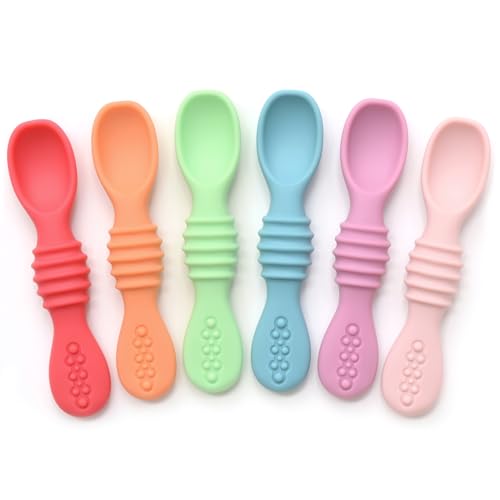
- Combines spoon, chew texture, and grip-friendly handle.
- Soft silicone is food-grade and gentle on gums.
- Dishwasher, microwave, and boil safe.
Best For: First-stage feeding and early texture exploration
Therapy Classic Pick

- Textured bottom adds tactile input during feeding.
- Long handle and shallow bowl support caregiver-led feeding.
- Latex-free and phthalate/lead-free construction.
Best For: Therapy use with tactile feedback and easy handling
Starter Set
Dreambaby Scoop Mash and Twist
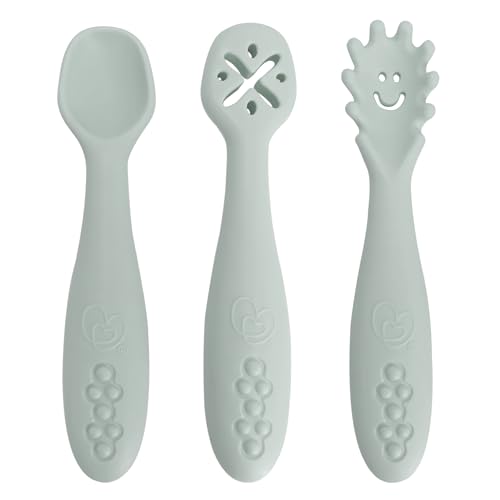
- 3 spoon styles for scooping, mashing, and twisting
- Soft silicone is gentle on gums
- Dishwasher safe and BPA-free
Best For: Babies beginning solids and baby-led weaning
Therapy Pick

- Textured bowl adds sensory feedback
- Shallow design supports lip closure
- Dishwasher safe and includes guide plus bag
Best For: Feeding therapy and oral-awareness practice
3-in-1 Pick
Duck & Tiger 3-in-1 Silicone Spoon
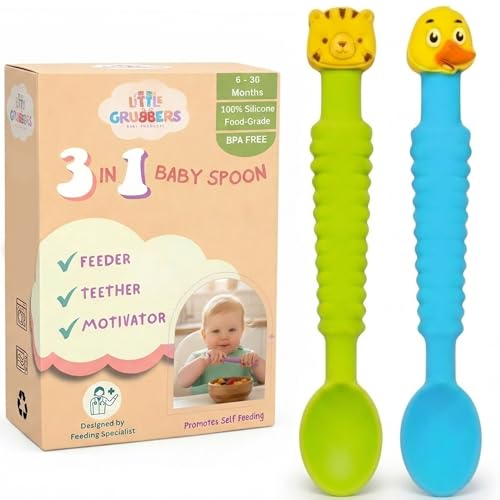
- Works as a feeder, teether, and motivator
- 13 non-slip grips plus soft-touch handle
- BPA-free silicone and dishwasher safe
Best For: Babies 6-36 months building self-feeding skills
Feeding Therapy Essential
Maroon Spoon 5-Pack for Controlled Bites

- Sized to help prevent overloading the spoon
- Made in the USA; latex, lead, BPA, and phthalate free
- Dishwasher-safe 5-pack for therapy or home use
Best For: Children with poor lip closure, oral hypersensitivity, or tongue thrust
Textured Sensory Pick
Heart Spoon Teether for Early Feeding
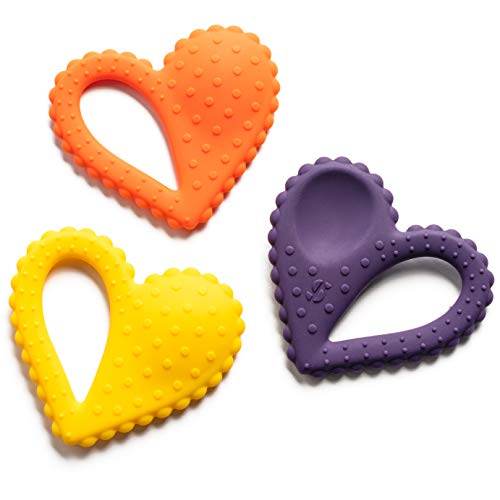
- Sensory bumps and edges support oral exploration
- 2-in-1 spoon and teether design
- BPA-free silicone and dishwasher-safe
Best For: Babies and toddlers who are teething and learning self-feeding
BLW Starter Tool
NumNum Pre-Spoons for First Self-Feeding

- No-wrong-way design is easy for tiny hands
- Open-channel spoon helps grip purees and soft solids
- BPA-free silicone set is dishwasher-safe
Best For: Babies 6 to 18 months starting solids and baby-led weaning
Therapy-Grade Sensory Support – TalkTools Textured Spoons
If you want a textured spoon for sensory feeding that leans more therapeutic than playful, this TalkTools 6-pack is built for oral awareness and lip closure practice. The shallow bowl helps draw food off the spoon with the lips, while the textured surface adds sensory feedback for users who need more awareness during each bite.
Best For: Kids, toddlers, or adults working on lip closure, oral awareness, and self-feeding in feeding therapy.
Pros:
- Shallow bowl supports lip closure and easier food removal.
- Textured surface adds sensory input for oral awareness.
- Easy-to-grip design works for small or adult hands.
- Dishwasher-safe and made from FDA-compliant, food-grade plastic.
Cons:
- Not recommended for individuals with a bite reflex.
- Texture may be more therapy-focused than ideal for casual everyday use.
This is a strong pick if your priority is a structured feeding aid with a clear oral-motor purpose. The included guide and storage bag also make the set practical for home or clinic use.
Baby-Friendly Chew Spoon – PrimaStella Silicone Chew Spoon Set
For families looking for a textured spoon for sensory feeding that works from the start of solids, this silicone set blends a spoon and teething texture in one tool. The soft, bend-friendly spoon head is designed to be gentle on gums, while the easy-grip middle helps babies begin utensil practice and self-feeding.
Best For: Babies 6 months and up who are starting solids, exploring textures, or practicing early self-feeding.
Pros:
- 3-in-1 design combines a spoon, chew texture, and easy-grip handle.
- Soft platinum silicone is food-grade, safety tested, and gentle on tender gums.
- Short, non-slip handle supports early utensil skills and self-feeding.
- Dishwasher, microwave, and boil safe for easy cleaning.
Cons:
- Best suited to infants and toddlers, not older children or therapy use.
- Silicone chew texture may be more useful for early exploration than for structured feeding goals.
This is a practical starter option if you want one utensil that supports both feeding and oral exploration. It is especially appealing for baby-led weaning or parent-led first-stage feeding.
Therapy Classic Pick – Large Textured Spoons
This textured spoon for sensory feeding is a straightforward therapy tool with a long handle, shallow bowl, and textured bottom for added tactile input. It is designed to help parents and therapists support feeding practice with minimal effort from the eater, making it a familiar choice in oral-motor settings.
Best For: Feeding therapy clients who benefit from extra tactile input and a longer handle for caregiver-led use.
Pros:
- Textured bottom increases tactile input during feeding.
- Long handle is easy for parents and therapists to hold.
- Shallow bowl helps users remove food with less effort.
- Latex-free and phthalate/lead-free construction.
Cons:
- Not dishwasher safe and must be hand washed.
- Material is polyurethane, not silicone or metal.
This is a simple, therapy-oriented option that focuses on tactile feedback rather than extra features. If you want a basic feeding tool with a proven clinic-friendly design, it fits that role well.
Compact Sensory Starter – TalkTools Itsy Ring Spoon
If you want a textured spoon for sensory feeding in a smaller, baby-focused format, this TalkTools ring spoon is designed to support crumb feeding, sensory learning, and early self-feeding confidence. The lightweight ring handle makes it easier for little hands to grip while still giving feeding specialists a therapist-designed tool for everyday practice.
Best For: Infants and early feeders who need an easy-grip spoon for sensory learning, crumb feeding, and self-feeding support.
Pros:
- Therapist-designed for oral motor development and feeding skill practice.
- Lightweight ring handle supports easy gripping for babies.
- Works with purees, dissolvable solids, and soft foods.
- Dishwasher-safe and made from BPA-free materials.
Cons:
- Only includes 2 spoons, not a larger set.
- Round shape may feel less traditional than standard baby spoons.
This is a compact choice for families or clinics that want a simple sensory feeding tool with an easy-to-hold design. It is especially appealing if you are focused on early feeding confidence rather than a full utensil set.
Starter Set – Dreambaby Scoop Mash and Twist
If you want a textured spoon for sensory feeding that can grow with a beginner eater, this 3-piece silicone set offers a simple progression for baby-led weaning. The three spoon styles are made for scooping, mashing, and twisting, so parents can match the utensil to the food and the child’s developing grip.
Best For: Babies starting solids who need a soft, easy-to-clean spoon set with multiple feeding motions.
Pros:
- Includes three distinct utensils for scooping purees, mashing soft foods, and twisting slippery foods.
- Soft silicone is gentle on gums and suitable for early self-feeding.
- Dishwasher safe and also easy to hand wash.
- Made from food-grade silicone and free from BPA, PVC, latex, and phthalates.
Cons:
- Not intended as a toy.
- Adult supervision is required during feeding.
This is a practical starter option if you want one set that covers several early feeding stages without complicating cleanup. It is especially useful for families focused on baby-led weaning and gentle oral exploration.
Therapy Pick – TalkTools Bumpy Spoons 6-Pack
For families looking for a textured spoon for sensory feeding, these bumpy spoons are designed to add extra oral input at mealtime. The shallow bowl helps draw food off with the lips, while the textured surface is meant to support oral awareness and self-feeding practice.
Best For: Children, toddlers, and adults working on lip closure, oral awareness, and texture acceptance.
Pros:
- Textured bowl provides gentle sensory feedback for more oral input.
- Shallow spoon shape supports lip closure and self-feeding.
- Suitable for kids, toddlers, and adults with easy-grip sizing.
- Dishwasher safe and made from FDA-compliant, food-grade plastic.
Cons:
- Not recommended for individuals with a bite reflex.
- Plastic construction may not appeal if you prefer silicone utensils.
This is a more therapy-oriented choice than a basic feeding spoon, and the included guide plus storage bag make the set feel well organized. It stands out if your goal is feeding practice with added sensory feedback rather than a simple mealtime utensil.
3-in-1 Pick – Duck & Tiger 3-in-1 Silicone Spoon
If you’re shopping for a textured spoon for sensory feeding that also works as an everyday starter utensil, this 3-in-1 silicone option blends self-feeding support with teething comfort. It is designed by a pediatric occupational therapist and feeding specialist, and the spoon bowl is shaped to fit small mouths.
Best For: Babies 6 to 36 months who need a self-feeding spoon with teething support and easy handling.
Pros:
- 3-in-1 design functions as a feeding spoon, teether spoon, and engagement tool.
- Soft-touch handle and 13 non-slip grips support independent use.
- Made from BPA-free, phthalate-free silicone and dishwasher safe.
- Therapist-designed for a wide age range and different developmental needs.
Cons:
- Sold as a single spoon, not a multi-piece set.
- Character styling may matter less if you want a purely neutral utensil.
This is a versatile choice if you want one spoon that can support feeding, teething, and motivation without adding extra clutter. The grip features make it especially appealing for families prioritizing independence and inclusion.
Feeding Therapy Essential – Maroon Spoon 5-Pack for Controlled Bites
If you need a textured spoon for sensory feeding that also keeps bites manageable, this Maroon Spoon set is built for a more controlled mealtime experience. Its bowl is designed to be neither too wide nor too deep, helping reduce overload on the spoon and making it a practical choice for feeding therapy at home or in clinic settings.
Best For: Children working on poor lip closure, oral hypersensitivity, or tongue thrust.
Pros:
- Purpose-sized bowl helps avoid overloading food into one bite.
- Made in the USA and free from latex, lead, BPA, and phthalates.
- Dishwasher-safe for easy cleanup.
- Sold as a 5-pack, which is useful for regular therapy use.
Cons:
- Not recommended for individuals with a bite reflex.
- Not a sensory-textured spoon like some silicone oral-motor tools.
This is a focused therapy spoon rather than a novelty feeding utensil, so the value is in its controlled size and clinician-friendly design. If your priority is helping manage bite size and oral challenges, it is a straightforward option worth considering.
Textured Sensory Pick – Heart Spoon Teether for Early Feeding
For parents looking for a textured spoon for sensory feeding, this heart-shaped silicone tool combines oral stimulation with early self-feeding practice. The sensory bumps and edges are designed to encourage oral exploration, while the flat, flexible end lets babies and toddlers practice feeding and chewing in a kid-safe way.
Best For: Babies and toddlers who are teething and beginning to explore self-feeding.
Pros:
- Textured bumps and edges support sensory input and oral exploration.
- 2-in-1 design works as both a spoon and a teether.
- BPA-free silicone construction is soft and flexible.
- Dishwasher-safe and built for everyday use.
Cons:
- Designed for early feeding, so it is not a traditional scoop-style spoon.
- Best suited to babies and toddlers, not older children.
This is a strong choice if you want a feeding tool that doubles as a teether and adds tactile interest during mealtime. The ergonomic handle and sensory-friendly shape make it especially practical for early oral-motor learning.
BLW Starter Tool – NumNum Pre-Spoons for First Self-Feeding
If you want a textured spoon for sensory feeding that also supports baby-led weaning, these NumNum pre-spoons focus on making first bites easier. The open-channel design helps grip purees and soft solids, while the flat, no-wrong-way shape is made for tiny hands still learning how to coordinate feeding motions.
Best For: Babies 6 to 18 months beginning self-feeding and starting solids.
Pros:
- Thick contoured handle gives small hands a secure, no-slip grip.
- Pre-spoon and open-channel design help with purees and soft solids.
- Patented all-flat design supports baby-led weaning with less frustration.
- Food-grade silicone is BPA-free and dishwasher-safe.
Cons:
- Not intended as a traditional deep-bowl spoon.
- Microwave or steam sterilizing is not recommended.
This set is built for the earliest self-feeding stage, where grip and food pickup matter more than scooping. If you want a practical starter utensil that helps bridge purees to soft solids, it fits that job well.
How We Picked the Best Textured Spoon for Sensory Feeding
We looked for spoons that offer meaningful texture without being overly harsh, plus shapes that support self-feeding and oral-motor practice. Safety, age fit, material quality, and ease of cleaning were also key factors. Because every child’s needs are different, we favored a mix of spoon styles rather than one single “best” design.
Quick Comparison
Some spoons are built for early self-feeding and spoon acceptance, while others are better for therapy use, oral awareness, or children who benefit from more pronounced sensory input. Soft silicone models tend to be gentler for beginners, while firmer textured designs may provide stronger tactile feedback. A few options in this roundup are especially useful for baby-led weaning, while others are more suited to older kids or therapy settings.
Key Buying Factors for a Textured Spoon for Sensory Feeding
Texture Level
Look for a texture that matches the child’s tolerance. Light bumps or subtle ridges may help with acceptance, while deeper texture can support sensory seeking needs. The goal is feedback, not discomfort.
Material and Safety
BPA-free silicone and safety-tested materials are common choices for younger children. Check age recommendations carefully, especially if the spoon may also be used as a teether.
Shape and Size
Shorter handles, wider grips, and shallow bowls can make self-feeding easier. A spoon that’s too large may be hard to control, while one that’s too small may not provide enough sensory input.
Cleaning and Durability
Feeding tools need to hold up to repeated washing and regular use. Choose a design that fits your routine, whether that means dishwasher-safe convenience or a sturdier therapy-style spoon.
Who Should Buy Which Textured Spoon for Sensory Feeding?
If you’re shopping for a baby just starting solids, choose a soft silicone spoon with a beginner-friendly shape. For toddlers building independence, a Textured Spoon for Sensory Feeding with a more secure grip can be a better match. Children who need oral-motor support may benefit more from therapy-designed options with a stronger texture and more deliberate spoon shape. If you’re unsure, start with a gentler option and move up in texture as tolerance and feeding skills improve.