Indirect lighting can make a sensory room feel calmer, softer, and easier to tolerate for kids and adults who are sensitive to glare or harsh brightness. The best options create gentle ambient light, slow-moving patterns, and adjustable effects without overwhelming the space.
Below, you’ll find 10 of the best indirect lighting for sensory room setups in 2026, chosen for soothing output, flexibility, and practical use in bedrooms, therapy spaces, and play areas.
Best 10 Indirect Lighting for Sensory Room Picks for 2026
Galaxy Projector & Sound Therapy Pick
Rossetta Dual Lens Galaxy Star Aurora Projector

- 58 light effects with galaxy, nebula, and aurora visuals
- 15 white noise sounds plus Bluetooth speaker
- Remote control, brightness settings, and timer
Best For: Sensory rooms needing dynamic ambient light and calming audio
Touch-Interactive Wall Light Pick
Bright Autism Tap-Tap Touch Sensory Lights

- 10 touch-sensitive hexagon tiles for custom layouts
- Tap, swipe, and dim controls for sensory play
- Wall-mounted modular design for a sensory room
Best For: Children who like tactile, interactive wall lighting
Ocean Ripple Calm Pick
Calming Sensory Lights Ocean Projector

- Water-ripple projection for walls and ceilings
- 15 color patterns with remote control
- Compact tabletop design for sensory rooms
Best For: People who prefer simple ocean-themed calming light
Bubble Tube Sensory Lamp Pick
COLORLIFE Sensory Bubble Tube Table Lamp

- Bubble and fish motion creates underwater ambience
- 5.5-inch tank offers a wider viewing area
- Fits sensory rooms, bedrooms, and classrooms
Best For: Spaces that want slow-moving visual stimulation and calm decor
Wave Projector Mood Light
VoMii Ocean Wave Projector Light
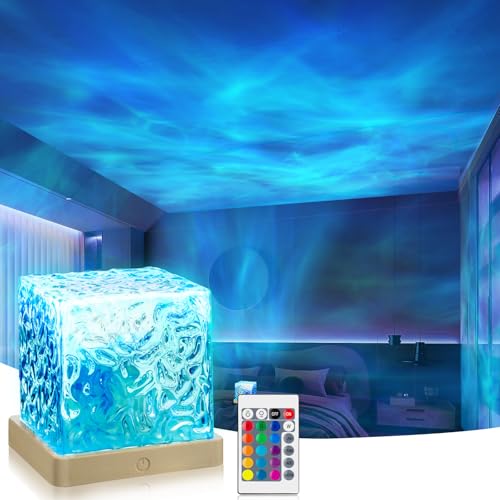
- Dynamic ocean-wave projection
- 16 colors with remote brightness control
- Compact tabletop lamp for indoor ambiance
Best For: Bedrooms, classrooms, and relaxation spaces
Calming Bubble Tube Lamp
CALOVER 4FT Sensory Fish Bubble Tube Lamp

- Fish-and-bubble motion for visual calming
- Remote, buttons, and 4/8-hour timers
- Made for sensory rooms and therapy spaces
Best For: Sensory rooms, therapy areas, and calming routines
Interactive Wall Light Panels
Emberela HEXlights Sensory Lights

- Tap-to-change hexagon light panels
- 13 colors plus Fade, Jump, and Flash modes
- Can mount on walls or stand on a tabletop
Best For: Kids' sensory walls, classrooms, and therapy spaces
Portable color-shifting accent
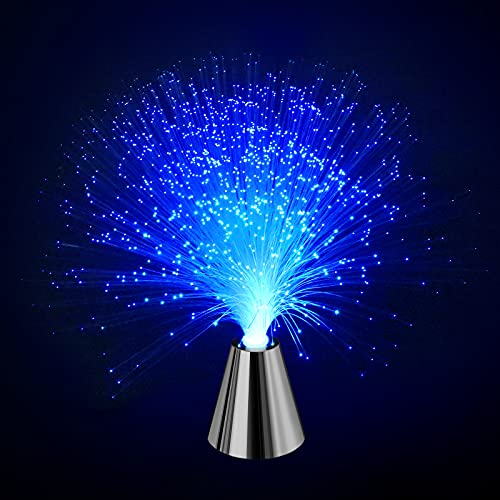
- Battery powered and cordless
- Auto color-changing fiber optic effect
- Soft LED mood lighting for calming spaces
Best For: Portable sensory corners and bedrooms
Portable nebula-style projector

- Rechargeable and cordless for easy setup
- Two lighting modes with removable globe
- Remote-controlled with 15 colors and dimming
Best For: Sensory rooms and bedtime routines
Ripple-effect ambient projector

- 16 colors and 4 dynamic modes
- Quiet, low-stimulation water ripple effect
- Remote control with memory function
Best For: Bedrooms and calm sensory spaces
Galaxy Projector & Sound Therapy Pick – Rossetta Dual Lens Galaxy Star Aurora Projector
If you want indirect lighting for sensory room use that feels more immersive than a basic lamp, this Rossetta projector is built to create a soft, changing atmosphere. The dual-lens system combines galaxy, aurora, and nebula effects with white noise, music sync, and remote control, so it can work as both a visual calm-down tool and a bedtime light.
Best For: Sensory spaces that benefit from moving light effects, calming sound options, and easy remote-based adjustments.
Pros:
- Dual-lens design projects galaxy and aurora effects with 58 light combinations.
- Includes 15 white noise sounds for relaxation and sleep routines.
- Bluetooth speaker and music sync add an interactive lighting mode.
- Remote control plus 1H/2H timer make it easy to manage in a room.
Cons:
- Best suited to atmosphere and relaxation rather than task lighting.
- Requires corded power, so placement depends on outlet access.
- Large visual effects may be too stimulating for some users who prefer simpler lighting.
This is a strong choice if the goal is flexible ambient lighting with sound features. It stands out for families or caregivers who want a sensory-room light that can shift from soothing night mode to a more playful visual display.
Touch-Interactive Wall Light Pick – Bright Autism Tap-Tap Touch Sensory Lights
For indirect lighting for sensory room setups that also encourage hands-on play, these touch-sensitive hexagon lights are designed to be built, tapped, and dimmed. The modular tiles let children create their own light patterns, while the adjustable brightness helps the same display shift from active play to a softer calming glow.
Best For: Kids who enjoy tactile, interactive lighting and families building a wall-mounted sensory area.
Pros:
- Touch and swipe response supports interactive sensory exploration.
- Magnetic modular hexagons can be arranged into custom wall designs.
- Dimmable brightness makes the lights useful for play or quieter moments.
- Wall-mount setup fits a dedicated sensory room installation.
Cons:
- Requires assembly and wall mounting, so it is less portable than a lamp.
- Focuses on visual and tactile play rather than sound or sleep features.
- Best results depend on having space for a multi-tile layout.
This is a good pick if you want lighting to be part of the sensory activity itself. It works especially well when the room needs a structured, customizable feature that still offers a softer mode for quieter use.
Ocean Ripple Calm Pick – Calming Sensory Lights Ocean Projector
If you are shopping for indirect lighting for sensory room use that feels gentle and familiar, this ocean projector focuses on soft water-ripple visuals. The remote-controlled LED patterns are meant to create a relaxing atmosphere for bedrooms, therapy spaces, and sensory rooms without taking up much space.
Best For: Users who respond well to calm ocean visuals and want an easy tabletop light for relaxation.
Pros:
- Projects water ripple effects onto walls and ceilings for a soothing look.
- Includes 15 color patterns controlled by remote.
- Designed for bedrooms, living rooms, therapy studios, and sensory rooms.
- Compact tabletop format keeps setup simple.
Cons:
- Single-light design offers fewer features than multi-function projectors.
- Depends on corded USB power, so placement is outlet-based.
- Visual effect is calming, but may not suit those wanting interactive lighting.
This projector is a straightforward option if you want a simple ambient light rather than a feature-heavy device. Its ocean pattern and easy remote control make it practical for daily calming routines and bedtime use.
Bubble Tube Sensory Lamp Pick – COLORLIFE Sensory Bubble Tube Table Lamp
For indirect lighting for sensory room use that adds motion as well as glow, this bubble tube lamp creates a steady aquarium-style display with moving fish and bubbles. The wider 5.5-inch tank is meant to give a clearer view of the underwater effect, making it a decorative calming piece for bedrooms, classrooms, and quiet corners.
Best For: Sensory rooms and relaxation spaces that benefit from slow-moving visual stimulation.
Pros:
- Bubble-and-fish motion creates a calming underwater atmosphere.
- 5.5-inch diameter tank provides a wider viewing area.
- Suitable for sensory rooms, therapy clinics, bedrooms, and classrooms.
- Works as a table lamp, mood light, or decorative accent.
Cons:
- Needs water setup and periodic cleaning/refilling.
- Uses a corded design, so it is not cordless or portable.
- The visual motion may be more engaging than restful for some users.
This is a solid choice when you want lighting that doubles as a visual focus piece. It is especially appealing for spaces that use calm motion to support relaxation, downtime, or gentle sensory engagement.
Wave Projector Mood Light – VoMii Ocean Wave Projector Light
If you want indirect lighting for sensory room use that feels more immersive than a standard lamp, this VoMii projector is built to cast moving ocean-wave patterns and adjustable color across the space. The remote-controlled 16-color setup makes it easy to shift the atmosphere for relaxation, meditation, sleep, or low-key room decor.
Best For: Bedrooms, classrooms, and calming spaces that need a simple ambient projector with color options.
Pros:
- Projects dynamic ocean wave patterns for a calming ambient effect.
- Offers 16 colors and brightness control with the included remote.
- Works well for meditation, sleep, yoga, spa-style, and decorative use.
- Compact cube design fits easily on a tabletop or corner surface.
Cons:
- Not waterproof, so it is for indoor use only.
- Corded power means it is not a cordless placement option.
This is a straightforward choice if you want motion-based indirect lighting for sensory room comfort without a complicated setup. It is best when the goal is atmosphere first, with flexible color control and simple remote operation.
Calming Bubble Tube Lamp – CALOVER 4FT Sensory Fish Bubble Tube Lamp
For indirect lighting for sensory room setups that also provide movement and visual focus, this 4-foot bubble tube lamp combines swimming fish, bubbles, and a gentle uplight effect. It is designed for calming use in sensory rooms, therapy clinics, classrooms, calm-down corners, and bedrooms, with remote control plus timer options for easy daily routines.
Best For: Sensory rooms, therapy spaces, and bedrooms that need a soothing visual lamp with timers.
Pros:
- Includes realistic fish movement with bubbles for a highly engaging visual effect.
- Offers remote control, manual buttons, and 4-hour or 8-hour timer settings.
- Features a breathing light mode that fades in and out for sleep or meditation.
- Built for sensory rooms, therapy clinics, classrooms, and anxiety-relief use.
Cons:
- Large floor-standing design takes up more space than small lamps.
- Not waterproof and intended for indoor use only.
This lamp is a strong pick when you want sensory-friendly indirect light with motion as much as glow. The combination of fish, bubbles, and timing controls makes it especially practical for structured calming routines.
Interactive Wall Light Panels – Emberela HEXlights Sensory Lights
If you need indirect lighting for sensory room walls that doubles as an interactive activity, these 7 hexagon panels are a flexible option. Kids can tap the lights to change colors, while the remote adds dimming, 13 colors, and lighting effects like Fade, Jump, and Flash for playrooms, therapy corners, and bedtime routines.
Best For: Sensory walls, classrooms, and kids’ spaces that benefit from interactive tap-controlled lighting.
Pros:
- Tap activation makes the lights engaging and easy for kids to use.
- Remote control supports brightness adjustment, 13 colors, and effects.
- Seven connectable panels allow creative wall layouts or tabletop use.
- Includes mounting accessories and a stand for flexible placement.
Cons:
- Best suited to indoor spaces with a wall or tabletop setup.
- Small individual panels may not provide broad room illumination on their own.
This is a good fit if you want lighting that feels playful and hands-on rather than purely decorative. The modular design gives it more versatility than a single lamp, especially in structured sensory or learning spaces.
Portable color-shifting accent – Sensory Fiber Optic Lamp
If you want indirect lighting for sensory room setups that feels soft, colorful, and easy to move, this fiber optic lamp is a simple option. Its battery-powered design makes it cordless, while the auto color-changing fibers create a gentle visual effect that can help set a calmer mood for children and adults.
Best For: Portable sensory corners, bedrooms, and low-stimulation mood lighting
Pros:
- Battery powered and cordless for flexible placement
- Auto color-changing lights create a peaceful, decorative effect
- Soft LED output is aimed at relaxation and calming use
- Touch control keeps operation straightforward
Cons:
- Designed as a mood light, not a bright task lamp
- Indoor tabletop use only
- Battery-powered design may require occasional replacement
This lamp is a good fit if you want decorative indirect light that is easy to reposition and visually soothing. It works best as an accent piece for a sensory room rather than as primary room lighting.
Portable nebula-style projector – Orblux Calming Aurora Light
For indirect lighting for sensory room use, this rechargeable projector offers a calm aurora-style glow instead of sharp, direct light. It can project a nebula swirl across ceilings and walls, and the removable globe gives you two different looks depending on whether you want a room-filling effect or a contained tabletop light.
Best For: Sensory rooms, bedtime routines, and portable ambient projection
Pros:
- Two-in-one design with globe-on and globe-off modes
- Rechargeable and cordless for flexible placement
- Remote control with 15 color options and dimming
- Whisper-quiet operation suited to calm environments
Cons:
- Runs about 4–5 hours per charge
- Best used as ambient lighting, not a bright illumination source
- Projection style is focused on nebula effects rather than stars
This is a strong pick if you want a portable light that can support relaxation without visual clutter. The adjustable modes and soft projection make it especially useful for sensory spaces and nighttime wind-down.
Ripple-effect ambient projector – Ocean Wave Projector Light
If you’re shopping for indirect lighting for sensory room setups with a water-like projection, this ocean wave lamp is built around soft ambient effects. It offers 16 colors, four lighting modes, and a slow ripple pattern that can create a soothing backdrop for relaxation, meditation, or winding down at night.
Best For: Cozy ambient lighting, sleep routines, and calming room decor
Pros:
- 16 colors and 4 modes for flexible ambient effects
- Quiet operation under 10 decibels for low-disruption use
- Remote control and memory function add convenience
- Plug-in design supports continuous use without charging
Cons:
- Must stay plugged in and is not rechargeable
- Best effect may require multiple units in larger spaces
- Designed for ambient projection rather than general room lighting
This projector stands out if you want a steady, decorative glow with smooth motion and remote control convenience. It’s a practical choice for bedrooms, sensory corners, and other spaces where calming visual texture matters more than brightness.
How We Picked the Best Indirect Lighting for Sensory Room
We focused on lighting that supports a calming environment rather than attention-grabbing brightness. For Indirect Lighting for Sensory Room use, the most useful products offer dimming, color control, soft diffusion, and motion effects that can be slowed or turned off. We also favored options that are easy to place, simple to operate, and suitable for different ages and sensitivity levels.
Quick Comparison
Think of these products in three broad groups: projector-style lights for wall and ceiling effects, bubble and fiber-optic lamps for contained visual focus, and touch-panel or modular lights for interactive play. If you want ambient coverage, projectors are usually the best starting point. If you want a more contained calming point, bubble tubes and fiber optics are often better. For tactile engagement, wall panels and touch lights stand out.
Key Buying Factors for Indirect Lighting for Sensory Room
Brightness and Dimming
Choose lights that can be dimmed well below standard room brightness. Sensory-friendly lighting should reduce visual strain, not compete with it. A wide dimming range is especially important for evening wind-down, therapy sessions, and users who are sensitive to flicker.
Effect Type and Motion
Slow waves, aurora-style movement, and gentle color transitions tend to be more calming than fast flashes or abrupt pattern changes. If you are buying Indirect Lighting for Sensory Room use, look for stable effects that can be paused, slowed, or set to a single color.
Control Options
Remote controls, touch controls, and preset modes all matter. A good sensory light should be easy for caregivers to adjust quickly, especially if the user becomes overstimulated. Simple controls are often better than complex app-heavy setups.
Placement and Coverage
Consider whether you need wall-wash lighting, ceiling projection, tabletop ambience, or a focused visual anchor. Room size matters too: larger spaces may need projection or multiple lights, while smaller rooms may benefit from one contained, soothing source.
Safety, Power, and Durability
Look for cool-running LEDs, stable bases, rechargeable or battery options where useful, and sturdy construction for family or classroom use. If the light will be handled often, durability and simple setup are key.
Who Should Buy Which Indirect Lighting for Sensory Room?
Choose a projector if you want the easiest way to transform an entire room with soft ambient motion. Pick a bubble tube or fiber-optic lamp if your goal is a more focused, calming visual object. Select touch panels or tap lights if you want sensory interaction alongside lighting. For autism, ADHD, or general relaxation, the best choice depends on whether the user prefers passive visual calm or active tactile engagement. In most cases, the ideal setup mixes one strong ambient source with one smaller contained light so the room can adapt to different moods and needs.