The best board games for teens make it easy to get everyone involved, whether your group prefers fast wordplay, bluffing, deduction, strategy, or laugh-out-loud party play.
These 10 picks cover a range of player counts, ages, play styles, and session lengths, so you can find a game that fits casual hangouts, family nights, or larger gatherings.
Best 10 Board Games for Teens Picks for 2026
Fast-Paced Wordplay

- Timed word-guessing gameplay
- 848 total Guess words
- For ages 13+ and 4+ players
Best For: Energetic parties and family game nights
Strategic Team Clues

- One-word clue team play
- 15-minute rounds
- For ages 14+ and 4-8+ players
Best For: Strategic family and friend game nights
Rapid Alphabet Challenge

- Fast category-and-letter gameplay
- 144 included categories
- Portable wheel with built-in timer
Best For: Mixed-age family play and parties
Bluffing and Deduction

- Hidden-imposter social deduction
- 15-minute rounds for 3-8 players
- 800 topics for replayability
Best For: Teen parties and bluffing-focused game nights
Best Quick Party Pick
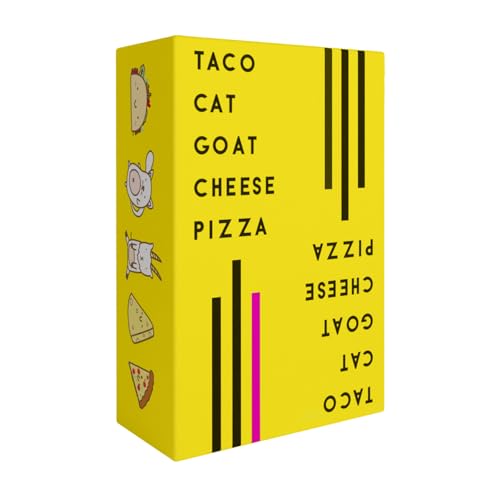
- Fast 10-minute rounds
- Simple rules for 2–8 players
- Portable slap-and-match card game
Best For: Teens and families who want energetic party play
Best Strategy Classic

- Trade, build, and settle
- Modular board boosts replayability
- Designed for 3–4 players ages 10+
Best For: Teens who enjoy strategic competition and negotiation
Best Creative Group Game

- Guess from 480 color squares
- Supports 3–10 players
- Encourages creative clues and conversation
Best For: Teens and larger groups who enjoy social wordplay
Best for Word Association

- Easy word-completion gameplay for 3–8 players
- Includes 250 cue cards and eight dry-erase slates
- Plays in about 20–35 minutes
Best For: Teens who enjoy social guessing and wordplay
Best for Strategy Practice

- Flexible play for 2–12 players
- Combines cards, chips, and five-in-a-row strategy
- Suitable for individual or team play
Best For: Teens who like accessible strategy and team competition
Best for Large Groups
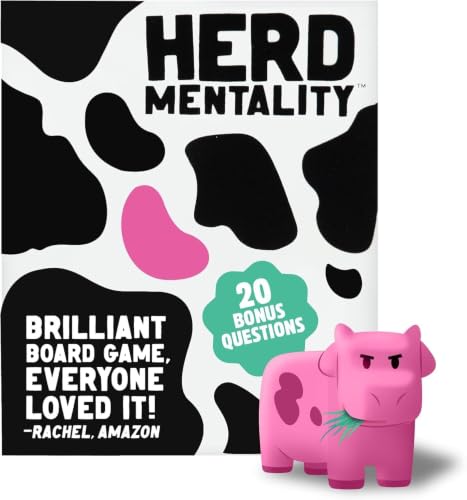
- Designed for groups of 4–20 or more
- Quick majority-answer gameplay is easy to learn
- Includes 20 bonus questions
Best For: Teens at parties, holidays, and large family gatherings
Fast-Paced Wordplay – Taboo Classic Game
For teens who enjoy quick thinking and lively group play, Taboo is a strong choice among board games for teens. Players race against the timer to help teammates guess a word without using the forbidden terms on the card. The classic edition includes 212 cards with 848 total Guess words, plus both physical and optional web-based gameplay tools.
Best For: Parties, family game nights, and groups of four or more players ages 13 and up.
Pros:
- Fresh cards include pop culture and trend-focused content.
- Offers substantial replay value with 848 total Guess words.
- Includes a sand timer, squeaker, and scorepad, with optional online tools.
Cons:
- Requires at least four players.
- Time pressure and word avoidance may not suit players who prefer slower strategy games.
Taboo works best when you want an energetic, social game that gets everyone talking quickly. Its portable card box also makes it convenient for road trips and casual gatherings.
Strategic Team Clues – Codenames Second Edition
Codenames is a thoughtful pick among board games for teens who enjoy word association, teamwork, and calculated risks. Two teams use one-word clues and numbers to identify their agents on a 5×5 grid, while avoiding bystanders and the game-ending assassin. A typical game takes about 15 minutes.
Best For: Teen and family game nights with four to eight or more players ages 14 and up.
Pros:
- Encourages creative clue-giving and strategic discussion.
- High-stakes assassin rule keeps each round tense.
- Second Edition adds revised words, refreshed art, an improved insert, and a streamlined rulebook.
Cons:
- Requires at least four players and works best with teams.
- Players must be comfortable interpreting abstract word clues.
Choose Codenames when you want a compact team game with more strategic depth than a straightforward guessing contest. Its short playtime also makes it easy to fit into a larger game night.
Rapid Alphabet Challenge – The Original Tapple
Tapple brings fast, accessible competition to the board games for teens category. Players choose a category, start the timer, and call out a related word beginning with an available letter before pressing that letter tab. With 144 categories and a portable wheel that stores the cards, it is easy to play at home or take along.
Best For: Family game nights, parties, and casual play with two to eight players ages 8 and up.
Pros:
- Simple rules make it approachable for mixed-age groups.
- Includes 36 cards with 144 categories for repeat play.
- Portable wheel provides built-in timing and card storage.
Cons:
- Battery-powered operation may require battery preparation.
- Players who dislike timed word games may find the pace stressful.
Tapple is a practical option when you want a lightweight, easy-to-learn word game that works for teens and younger players alike. Its portable design adds flexibility for travel and gatherings.
Bluffing and Deduction – The Chameleon Party Game
The Chameleon is a compelling choice among board games for teens who like bluffing and social deduction. Everyone except one player receives the secret word, then each person gives a related one-word clue while trying to identify the hidden Chameleon. Rounds take about 15 minutes, and the game supports three to eight players ages 12 and up.
Best For: Teen gatherings, family parties, and groups that enjoy quick accusation-and-bluffing games.
Pros:
- Easy-to-learn format can be taught in about two minutes.
- Supports both deception and deduction, including a final word-guessing escape.
- Includes 800 topics for varied replayability.
Cons:
- Players who prefer individual strategy may not enjoy the social focus.
- The experience depends on having a group willing to bluff and debate.
Pick The Chameleon for a compact party game that encourages communication, suspicion, and creative clues. It is especially suitable when you want quick rounds that can involve quieter players in the discussion.
Best Quick Party Pick – Taco Cat Goat Cheese Pizza
For shoppers seeking board games for teens that are easy to learn and quick to play, Taco Cat Goat Cheese Pizza delivers energetic group fun. Players chant the title, match words to cards, and race to slap the pile during approximately 10-minute rounds.
Best For: Teens, families, and parties needing portable, fast-paced entertainment for 2–8 players.
Pros:
- Short rounds help keep players engaged.
- Simple rules make it accessible to kids and adults.
- Compact card-game format works well for travel and gatherings.
- Action cards add unexpected twists.
Cons:
- Slap-based play may be too intense for players who prefer quieter games.
- The fast reflex focus may not suit every group.
This is a strong choice when the priority is laughter, quick setup, and social interaction rather than long-term strategy. Its 2–8-player range also makes it flexible for mixed-age groups.
Best Strategy Classic – CATAN Board Game
CATAN is a compelling option among board games for teens who enjoy negotiation, competition, and decisions that develop over a longer session. Players gather resources, trade, build roads and settlements, and race to reach 10 victory points.
Best For: Teens and families who enjoy strategic competition with 3–4 players and roughly 60–90 minutes to play.
Pros:
- Combines trading, resource management, and area control.
- Modular hexagonal board supports replayability.
- Encourages strategic thinking and resource management.
- Clear victory-point goal gives each game direction.
Cons:
- Its estimated 90-minute playtime requires a larger time commitment.
- The base game supports 3–4 players; the 5–6 player extension is sold separately.
- Small parts may require care around younger children.
Choose CATAN when your teen prefers meaningful choices and negotiation over rapid action. The variable board layout and resource trading create a different strategic challenge from game to game.
Best Creative Group Game – HUES and CUES
HUES and CUES stands out among board games for teens by turning color perception and communication into an accessible group challenge. Players use one- or two-word clues to guide others toward one of 480 color squares, creating a fresh discussion each round.
Best For: Teens, families, and larger groups of 3–10 players who enjoy creative clues and social interaction.
Pros:
- Supports up to 10 players, making it useful for parties.
- 480 hues provide plenty of visual variety.
- Quick rules make it approachable for casual players.
- Encourages creative thinking, communication, and problem-solving.
Cons:
- Color interpretation can be subjective between players.
- The approximately 30-minute format may be longer than a quick card game.
This is a practical pick for groups that value conversation and creativity over head-to-head strategy. Its broad player range and changing clues help it work well at family nights, parties, and casual teen gatherings.
Best for Word Association – Blank Slate
Blank Slate is a strong pick for teens who enjoy wordplay, guessing, and social competition. As board games for teens go, it is easy to learn and works well for family nights, parties, and smaller groups of three to eight players.
Best For: Teens and families who like word-association games, quick rounds, and humorous prediction-based play.
Pros:
- Simple word-completion format is easy to learn.
- Supports 3–8 players and takes about 20–35 minutes.
- Includes 250 double-sided word cue cards and eight dry-erase slates.
- Encourages communication, critical thinking, and social interaction.
Cons:
- Requires players to be comfortable writing and sharing word associations.
- Its appeal depends on enjoying prediction and guessing mechanics.
Choose Blank Slate when you want a portable, conversation-driven game that can bring a mixed-age group together without a lengthy rules explanation.
Best for Strategy Practice – Original SEQUENCE
Original SEQUENCE combines cards, chips, and straightforward strategy, making it a versatile choice among board games for teens. Its 2–12-player format also makes it practical for one-on-one play, teams, or larger family groups.
Best For: Teens who want a strategic but accessible game with team play and flexible group sizes.
Pros:
- Supports 2–12 players, including team-based play.
- Rules are approachable for children while still challenging adults.
- Gameplay develops strategy, problem-solving, and numerical skills.
- Includes a folding board, two card decks, 135 chips, and instructions.
Cons:
- The board and components require more table space than a card-only game.
- Estimated play time is about 20 minutes, but larger groups may need more setup and coordination.
SEQUENCE is a dependable option when your group wants repeatable strategy without complicated rules, especially if playing in pairs or teams is part of the appeal.
Best for Large Groups – Herd Mentality
Herd Mentality is designed for big, lively gatherings and is a particularly natural fit for board games for teens at parties or family events. Players answer questions, try to match the majority, and avoid the pink cow of doom.
Best For: Teens and families who enjoy group guessing, social deduction, and quick party games.
Pros:
- Accommodates 4–20 or more players.
- Easy to learn and designed for quick, repeatable rounds.
- Majority-answer format creates social interaction and humorous surprises.
- Includes 20 extra questions and is recommended for ages 10 and up.
Cons:
- It is not suited to very small groups of fewer than four players.
- Players who prefer independent strategy may find the majority-based format limiting.
Pick Herd Mentality when the priority is getting a large group involved quickly. Its short, accessible format makes it well suited to parties, holidays, and family game nights.
How We Picked These Board Games for Teens
We focused on games that encourage interaction rather than long periods of waiting. The selection includes word and clue games, social deduction, prediction-based party games, light strategy, and quick card-based play. We also considered age guidance, player count, replay value, setup time, and how easily each game can work with mixed-experience groups.
Because teen groups vary widely, no single game is best for everyone. A strong choice should match the size of your group and the type of competition your players enjoy.
Quick Comparison
| Best For | Top Game Types | What to Look For |
|---|---|---|
| Small groups | Strategy and word games | Flexible team sizes and meaningful turns |
| Large gatherings | Party and prediction games | High player limits and simple rules |
| Mixed ages | Accessible clue and matching games | Clear instructions and broad appeal |
| Short sessions | Fast card and word games | Minimal setup and quick rounds |
Key Buying Factors for Board Games for Teens
Player Count
Check the recommended range before buying. Games built for four or more players may lose much of their appeal with a pair, while large-group titles are useful for parties but can feel less personal with a small table.
Play Time and Complexity
Short games are easier to bring out spontaneously, especially when players have different attention spans. Strategy titles can provide greater depth, but party games with simpler rules are often better when new or occasional players are joining.
Interaction Style
Word games reward vocabulary and quick thinking, deduction games favor reading the group, and prediction games depend on knowing how others think. Choose the interaction style your group is most likely to enjoy rather than selecting only by popularity.
Replay Value
Look for changing prompts, card combinations, hidden information, or multiple ways to score. These features help a game remain interesting after the first few sessions.
Age and Accessibility
Follow the listed age guidance, but also consider reading demands, language difficulty, visual clarity, and whether the game depends on fast responses. A game that everyone can understand is more likely to reach the table.
Who Should Buy Which Board Games for Teens?
Choose a word-focused game for teens who enjoy vocabulary, clues, and quick responses. Social deduction is a better fit for groups that like bluffing, suspicion, and discussion. For relaxed family gatherings, look for accessible prediction or color- and pattern-based play that does not require extensive strategy knowledge.
If your group frequently changes size, prioritize flexible player counts and short rounds. For regular game-night players, a deeper strategy title can offer more lasting value. Large households and party hosts should favor games that support many players with straightforward rules, while smaller groups may prefer games that maintain meaningful decisions with fewer participants.
Finally, consider the setting. Compact card games suit travel and casual hangouts, whereas board-based strategy games are better when you have a dedicated table and more time. Matching the game to the group, space, and available time is the simplest way to choose among these Board Games for Teens.