For someone with sensory sensitivities, the feel of a toothbrush can make daily brushing difficult. A softer head, a different handle, or a shorter brushing routine may help—but there is no single design that works for everyone.
These picks span ultra-soft manual brushes, three-sided heads, and a U-shaped electric option. Use the guide below to narrow them down by comfort, age, and the level of help needed while brushing.
Best 10 Autism Safe Toothbrushes Picks for 2026
Gentle Family Multi-Pack
GuruNanda Butter On Gums 6-Pack

- ADA Accepted ultra-soft brush
- 8,000+ Softex bristles
- Six manual brushes with ergonomic grips
Best For: Families seeking gentle brushes for sensitive gums
Three-Sided Adult Option

- Soft three-sided bristles
- Cleans multiple surfaces per pass
- Looped ergonomic handle
Best For: Adults or caregivers seeking a simpler brushing motion
Extra-Soft Kids Pick
GuruNanda Butter On Gums Kids 4-Pack

- Designed for ages 3+
- 8,000+ extra-soft bristles
- Four colors and non-slip grips
Best For: Kids ages 3+ who want a gentle manual brush
Wraparound Kids Option

- Wraparound three-sided head
- Extra-soft bristles
- Two brushes with tongue scrapers
Best For: Kids and caregivers seeking fewer brushing passes
Best Manual Kids Pick
TWICE 3D Triple-Head Soft Toothbrush
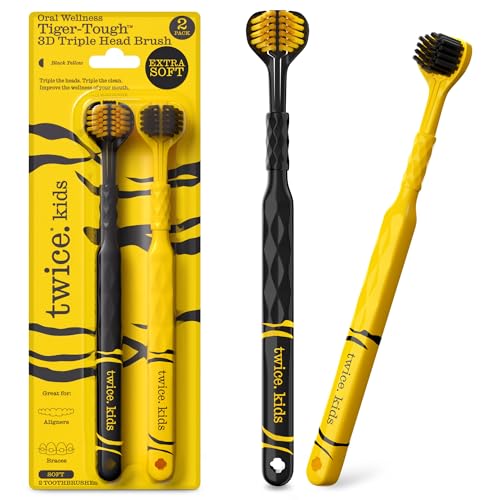
- Three-sided manual head
- Soft nylon bristles
- Two brushes included
Best For: Kids ages 3+ who prefer gentle manual brushing
Best Color-Coded Set
Boao Four-Pack Three-Sided Toothbrushes
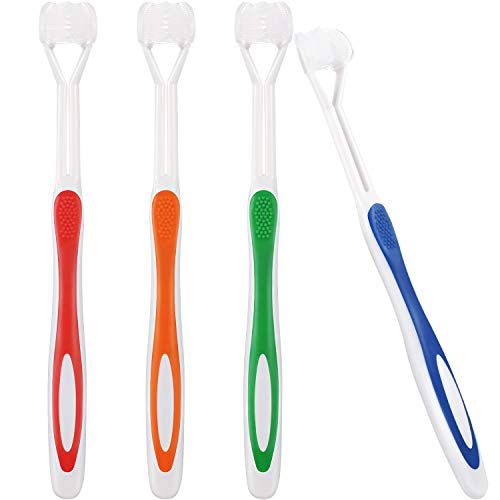
- Four distinct colors
- Replaceable brush heads
- Non-slip curved handles
Best For: Households assigning each user a separate brush
Best Space-Themed Electric Pick
Bendi Kids U-Shaped Toothbrush

- For ages 2–7
- U-shaped and standard heads
- Rechargeable vibrating brush
Best For: Young kids who like interactive brushing and head options
Best for Younger Toddlers
EASICUTI 3-Sided Soft Toothbrush 4-Pack

- Extra-soft, three-sided bristles
- Non-slip silicone handle
- Four brushes with tongue scrapers
Best For: Toddlers 12 months and up learning to brush
Best Bear Design
3-Sided Toothhugger Kids Toothbrush 3-Pack

- Split three-sided brush head
- Ultra-soft 0.12 mm bristles
- Bear design and non-slip handle
Best For: Kids ages 3–12 who enjoy character-themed brushes
Best for Older Kids
3-Sided Soft Toothbrush 2-Pack

- Stated age range: 3–15
- Soft, three-sided bristles
- Blue and yellow brushes included
Best For: Kids ages 3–15 needing a soft brush and a spare
Gentle Family Multi-Pack – GuruNanda Butter On Gums 6-Pack
For shoppers comparing autism safe toothbrushes, this manual six-pack offers an ultra-soft option without vibration. Its 8,000+ Softex bristles and rubberized handle may suit someone who prefers a gentle feel and a controlled grip, though individual sensory preferences vary.
Best For: Families seeking multiple ultra-soft manual toothbrushes for sensitive gums.
Pros:
- ADA Accepted, with 8,000+ ultra-soft bristles.
- Rubberized ergonomic handle supports a controlled grip.
- Six brushes; BPA-, PFAS-, and latex-free.
Cons:
- Conventional brush head still requires cleaning each tooth surface separately.
- Dense bristles may not suit every texture preference.
This is a practical stock-up choice if softness matters most. As with any sensory-sensitive routine, introduce the brush gradually rather than assuming its feel will work for everyone.
Among autism safe toothbrushes, the edel+white CleanCurl 3D is worth considering when brushing each tooth surface separately is difficult. Its soft, three-sided bristles contact multiple sides at once, while the looped ergonomic handle offers another way to hold and guide the brush.
Best For: Adults or caregivers who want a soft three-sided manual brush to simplify brushing.
Pros:
- Three-sided design reaches multiple tooth surfaces in a pass.
- Soft, curved bristles target the gumline.
- Looped ergonomic handle offers a comfortable grip.
Cons:
- Listed for adults; check fit before considering it for a child.
- A three-sided head may feel unfamiliar to someone sensitive to new oral textures.
Choose this for its simplified brushing motion, not as a guarantee of a better sensory experience. Ask a dentist before using it around braces or implants, as the product notes advise.
For parents exploring autism safe toothbrushes for children ages 3 and up, this GuruNanda four-pack pairs 8,000+ extra-soft Softex bristles with small-hand-friendly, non-slip grips. Four colors can also let a child choose a brush as part of the routine.
Best For: Children ages 3+ who prefer a soft manual brush and an easy-to-hold handle.
Pros:
- 8,000+ extra-soft bristles for gentle brushing.
- Non-slip ergonomic handle designed for little fingers.
- Four distinct colors; BPA- and latex-free.
Cons:
- Not intended for children under age 3.
- Traditional head requires brushing each surface separately.
The soft bristles and choice of colors make this a sensible starting point, but a child’s response to the bristle texture matters more than the packaging.
If you’re comparing autism safe toothbrushes for a child who finds lengthy brushing challenging, the DenTrust two-pack has a three-sided head that wraps around teeth. The maker also describes expansion pleats that adjust to different tooth widths, plus extra-soft bristles.
Best For: Children and caregivers interested in a wraparound brush that covers multiple tooth surfaces at once.
Pros:
- Three-sided design brushes multiple surfaces in one motion.
- Expansion pleats adapt to different tooth widths.
- Extra-soft bristles and a built-in tongue scraper.
Cons:
- The U-shaped head may be an uncomfortable new sensation for some children.
- Tongue scraper adds a feature that not every child will want to use.
DenTrust is explicitly marketed for autism and special-needs routines, but that does not guarantee a comfortable fit. Consider whether your child tolerates a brush contacting several sides of a tooth at once.
Best Manual Kids Pick – TWICE 3D Triple-Head Soft Toothbrush
For families comparing autism safe toothbrushes, this manual option for ages 3+ offers a three-sided head that reaches the front and back of teeth in one pass. Its soft nylon bristles may appeal to kids who prefer a gentler feel.
Best For: Kids ages 3+ who need a soft, manual brush, including those with braces or aligners.
Pros:
- Triple-sided head helps cover multiple tooth surfaces at once.
- Soft bristles and an ergonomic grip support comfortable brushing.
- Two brushes are included; the materials are listed as BPA-free and PFAS-free.
Cons:
- The three-sided head may not suit a child who prefers a conventional brush shape.
- Manual brushing still requires the user or caregiver to guide the brush.
This is a straightforward choice if faster multi-surface brushing and a soft feel matter more than powered features. Check that the head shape feels comfortable for your child.
Best Color-Coded Set – Boao Four-Pack Three-Sided Toothbrushes
If you are looking at autism safe toothbrushes for a shared household, this Boao set includes four three-sided brushes in distinct colors. The heads cover multiple sides of the teeth, while the curved, non-slip handles are designed for an easier grip.
Best For: Households that want separate, color-coded three-sided brushes for different users.
Pros:
- Four colors make individual brushes easy to tell apart.
- Three-sided heads can reach multiple tooth surfaces in one pass.
- Replaceable heads and non-slip handles add practical convenience.
Cons:
- The bristles are described as softer with warm water and firmer with cold, so the feel may vary.
- The three-sided shape may take getting used to for someone who prefers a standard brush.
This set stands out for household organization and replaceable heads. If bristle feel is a priority, consider the stated temperature-dependent firmness before choosing it.
Best Space-Themed Electric Pick – Bendi Kids U-Shaped Toothbrush
Among autism safe toothbrushes for younger kids, the Bendi offers a different routine: a rechargeable, vibrating brush with a space-themed astronaut design. Made for ages 2–7, it includes both U-shaped silicone heads and standard brush heads, giving families options to try.
Best For: Kids ages 2–7 who enjoy an interactive design and families wanting a choice of brush-head styles.
Pros:
- Includes two U-shaped silicone brushes and two standard brushes.
- Rechargeable sonic motor and memory function support a repeatable routine.
- Astronaut theme and included story may make brushing more engaging.
Cons:
- Vibration may not suit a child who dislikes powered brushes.
- The U-shaped head’s fit should be checked for the individual child.
The interchangeable head styles make this a flexible powered option, but sensory preferences vary. Introduce the vibration gradually if your child is unsure about electric brushing.
Best for Younger Toddlers – EASICUTI 3-Sided Soft Toothbrush 4-Pack
For families comparing autism safe toothbrushes for a younger child, this manual EASICUTI brush offers extra-soft bristles, a three-sided head, and a silicone-wrapped brush head. Sensory comfort is individual, so its shape and feel are worth considering before buying.
Best For: Toddlers 12 months and up who need a small, easy-to-grip training brush.
Pros:
- Three-sided bristles contact multiple tooth surfaces during brushing.
- Non-slip silicone handle is designed for small hands.
- Four brushes provide replacements, and the back of the head includes a tongue scraper.
Cons:
- The three-sided head may not suit a child who prefers a conventional flat brush.
- The built-in tongue scraper may be unnecessary for children sensitive to extra textures.
This is a practical pick if you want a manual training brush and ready-to-use spares; introduce the brush gently and follow your child’s response to its wraparound shape.
Best Bear Design – 3-Sided Toothhugger Kids Toothbrush 3-Pack
Among autism safe toothbrushes marketed for kids, this bear-themed manual brush pairs a split three-sided head with ultra-soft bristles. Its playful look may appeal to some children, though preferences around both appearance and mouth feel vary.
Best For: Children ages 3–12 who like character designs and need an easy-to-hold brush.
Pros:
- Split three-sided head is designed to fit different tooth sizes.
- Ultra-soft, 0.12 mm silver-ion bristles offer a gentle brushing texture.
- Non-slip handle and three included colors add everyday convenience.
Cons:
- Listed for ages 3–12, so it is not the stated option for younger toddlers.
- The wraparound head may feel unfamiliar to children used to standard toothbrushes.
Consider this set when an engaging bear design could help your child approach brushing. The head shape and bristle feel matter more than the character theme if your child has strong sensory preferences.
Best for Older Kids – 3-Sided Soft Toothbrush 2-Pack
If you’re sorting through autism safe toothbrushes for a school-age child or teen, this two-pack covers the manufacturer’s stated 3–15 age range. Its soft, three-sided head contacts the outer, top, and inner tooth surfaces during manual brushing; comfort will depend on the child.
Best For: Children ages 3–15 who want a soft manual brush and a spare for travel or home.
Pros:
- Three-sided bristle head is designed to contact multiple tooth surfaces.
- Soft bristles offer an option for children who dislike firmer brushes.
- Includes blue and yellow brushes with a textured handle for small hands.
Cons:
- Not suitable for children under 3, according to the supplied product information.
- A three-sided head may not match every child’s sensory preference.
This is a straightforward two-brush option for supervised brushing. Despite the broad age range, check whether the head size and texture suit your individual child.
How We Picked the Best Autism Safe Toothbrushes
We focused on features that may make brushing more manageable: soft bristles, head size, ease of positioning, and designs that may reduce the number of brushing motions. The selection includes conventional manual brushes, three-sided heads, and an electric U-shaped option so buyers can compare different approaches. Product descriptions are a starting point, not proof that a brush will feel comfortable or clean effectively for every person.
“Autism safe” is not a universal clinical designation. Comfort, supervision needs, and oral health vary from person to person. Check the manufacturer’s age guidance and ask a dentist about persistent pain, gum bleeding, or uncertainty about cleaning technique.
Quick Comparison: Which Design Fits Your Routine?
- Ultra-soft manual brushes: A familiar shape and straightforward control for people who dislike bulky heads or want a gentle-feeling brush.
- Three-sided brushes: Bristles contact multiple tooth surfaces at once. They may simplify positioning for a caregiver, but the wider head can feel intrusive.
- U-shaped electric brushes: A distinct fit and powered sensation that some children may accept and others may strongly dislike. Confirm the age range and assess cleaning with a dentist.
- Multi-packs: Useful for keeping backups or trying colors, but choose the head size and bristle feel before prioritizing quantity.
Key Buying Factors for Autism Safe Toothbrushes
Sensory Feel and Bristle Softness
Start with the sensations the user already tolerates. Soft or ultra-soft bristles may be preferable when standard brushes feel scratchy. A three-sided head adds contact around the teeth, which can shorten repetitive motions for some users but increase sensory input for others. Introduce a new brush gradually rather than forcing a full brushing session on the first try.
Head Size, Handle, and Age Fit
A brush should reach the back teeth without causing gagging or crowding the mouth. Toddler, child, and adult heads are not interchangeable simply because a product is marketed for special needs. Consider whether the user or caregiver can grip and angle the handle comfortably, and supervise young children according to the product’s instructions.
Cleaning and Maintenance
A comfortable brush still needs to clean along the gumline and reach every tooth. Three-sided designs may require a different motion from a standard brush; follow the maker’s directions and check for missed areas. Rinse and air-dry the brush after use, inspect bristles regularly, and replace it when worn or as recommended by a dentist.
Who Should Buy Which Autism Safe Toothbrushes?
Choose an ultra-soft manual brush if familiar shape and low sensory intensity matter most. Consider a three-sided model if positioning a conventional brush is difficult and the user tolerates a wider head. An age-appropriate U-shaped electric option is worth considering only if the user accepts its fit and powered sensation. If you are unsure, begin with the least disruptive design and let comfort and a dentist’s feedback guide the next change. The best Autism Safe Toothbrushes are the ones a person can use consistently while getting their teeth thoroughly cleaned.