Choosing the right mobility aid can make everyday movement safer, more comfortable, and more independent for children with cerebral palsy.
This 2026 roundup highlights practical options for posture support, assisted walking, seated transport, and rehabilitation-focused use.
Best 10 Cerebral Palsy Mobility Equipment for Children Picks for 2026
Stable Six-Wheel Walking Aid
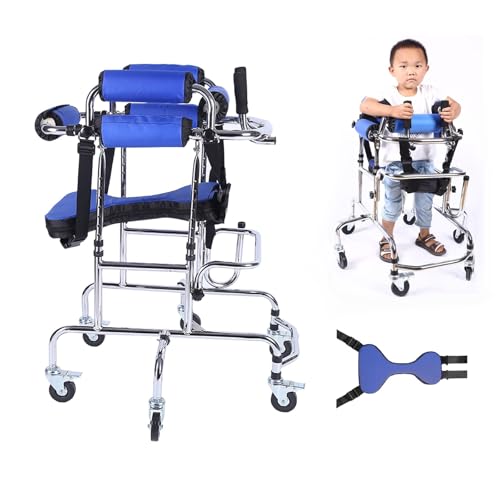
- Adjustable height and width for growing kids
- Anti-overturn chassis and safety wheels
- Soft sponge handrails and detachable seat cushion
Best For: Children needing a stable rehab walker for balance and gait training
Reclining Care Wheelchair
Folding Pediatric Wheelchair With Tray

- Full reclining backrest with headrest and side supports
- Removable tray and elevating footrests for daily care
- Heavy-duty folding frame with brakes and anti-tip wheels
Best For: Children who need supported sitting, reclining, and meal-time positioning
Early Mobility Balance Walker
Height-Adjustable CP Body Rest Aid

- Usable from 12 months for early intervention
- Adjusts at both frame and handle
- Flexi seat helps prevent cross-leg positioning
Best For: Toddlers and small children starting balance and posture training
Configurable Posterior Gait Trainer
Lightweight Foldable Klip Walker

- Posterior or anterior configuration for flexibility
- Adjustable height with flip-up seat for rests
- Swivel front wheels and one-direction rear wheels
Best For: Kids and teens who need posture support plus adjustable walking control
Stability-First Rehab Walker
Adjustable 6-Wheel Walker for Kids

- Anti-tip wheels and widened base
- 10-level height and 5-level width adjustment
- Foldable stainless steel rehab frame
Best For: Children and adolescents needing a stable rehab walker
Comfort-Focused Rollator
Height-Adjustable Walker with Seat

- Height and width adjust for fit
- Sponge handrails help reduce slipping
- Anti-overturn chassis and braking support
Best For: Users who want a rollator with a seat and adjustable support
Compact Gait Trainer
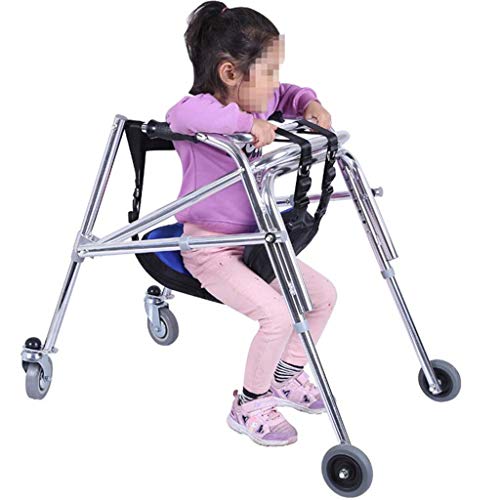
- Rear wheels include fixed brakes
- 8-speed adjustability for different heights
- One-button folding for transport
Best For: Children needing a simple gait-training walker
Adjustable Growth-Ready Support
Adjustable Wheel Walker for Kids

- Fits children 80-120 cm tall
- Breathable removable cushion for comfort
- Brake-equipped universal wheels for control
Best For: Kids needing an adjustable walking frame for rehab and standing support
Stable Standing Support
Anti-Rollover Walker with Seat

- Adjusts in both height and width
- High-strength frame for stable support
- One-click operation for easier use
Best For: Children who need a steady standing walker for rehab training
Flexible Rehab Gait Training
Folding Wheeled Walker for Children

- Fits children about 31-47 inches tall
- Foldable frame with silent brake wheels
- Washable breathable cushion adds comfort
Best For: Kids who need a foldable walker for gait training and mobility support
Stable Six-Wheel Walking Aid – Adjustable Anti-Tilt Gait Aid
If you’re comparing cerebral palsy mobility equipment for children, this six-wheel walker is built for kids who need extra support while practicing balance and walking. The adjustable height and width, anti-overturn chassis, and soft sponge handrails make it a practical option for hemiplegia, postoperative rehab, and everyday gait training.
Best For: Children 80 cm to 120 cm tall who need a stable, height-adjustable walking aid for rehab and balance practice.
Pros:
- Height and width adjust through bolts to fit different children
- Anti-tilt, widened chassis and double-side anti-rollover wheels add stability
- Soft sponge handrails help reduce slipping and support weaker arms
- Detachable soft crotch cushion adds seated comfort during use
Cons:
- Best suited to children within the listed height range
- At 25 lb, it may be less convenient to move than lighter aids
- Assembly and fitting may take some adjustment to dial in properly
This is a solid choice when stability matters more than compactness, especially for structured walking practice and rehabilitation use. Its adjustable fit and anti-tipping design make it a straightforward option for families and therapists seeking dependable support.
Reclining Care Wheelchair – Folding Pediatric Wheelchair With Tray
For cerebral palsy mobility equipment for children that needs to do more than basic transport, this full reclining pediatric wheelchair is designed for sitting, resting, and daily care routines. It combines a reclining backrest, headrest, side support pads, elevating footrests, and a removable meal tray for home use, rehab, or travel.
Best For: Children who need a supportive reclining wheelchair for daily positioning, meals, and longer seated care sessions.
Pros:
- Full reclining backrest with headrest and side support pads
- Removable meal tray works well for meals, reading, and activities
- Heavy-duty steel frame supports up to 100 kg / 220 lb
- Folding design with a compact folded size for storage or transport
Cons:
- Weighs 55 lb, so it is not a lightweight chair
- Assembly is required
- May be more chair than some children need for simple short-distance mobility
This model stands out when comfort and positioning are as important as movement. The reclining setup, harness, and brake system make it a strong fit for families looking for a more complete daily-care mobility chair.
Early Mobility Balance Walker – Height-Adjustable CP Body Rest Aid
This height-adjustable walker is a focused option in cerebral palsy mobility equipment for children who are working on balance, posture, and early walking activity. It is designed for kids as young as 12 months and includes a flexi seat to help prevent crossed legs while supporting movement and exploration.
Best For: Young children in early rehab who need a body-rest walker for balance, posture, and active movement.
Pros:
- Can be used from 12 months old
- Height adjusts on both the frame and handle
- Flexi seat is specially designed to help prevent cross-leg positioning
- Built to encourage activity and reduce sedentary time
Cons:
- Limited product details make it harder to compare specifications
- Maximum height listed at 55 cm, so sizing is narrow
- Basic material information suggests a simpler build than some premium alternatives
For families focused on early mobility practice, this walker emphasizes positioning and movement support over extra features. Its adjustable fit and body-rest design make it useful for children who need help staying balanced while building confidence.
Configurable Posterior Gait Trainer – Lightweight Foldable Klip Walker
When you’re shopping for cerebral palsy mobility equipment for children, a posterior gait trainer can help promote upright posture while still allowing movement and rest. This lightweight Klip walker offers adjustable height, a flip-up seat, and wheel-lock controls, making it a flexible option for toddlers, kids, teens, and young adults with special needs.
Best For: Children and teens who need a configurable posterior gait trainer with a rest seat and strong directional control.
Pros:
- Posterior or anterior configuration adds versatility
- Adjustable height supports growing users and upright posture
- Flip-up seat allows quick rest breaks during walking sessions
- Front swivel wheels and rear one-directional wheels improve control and safety
Cons:
- Four sizes can make selection more involved
- Optional accessories are sold separately
- May be more complex than a basic walker for families wanting a simple setup
This is a strong pick for users who need more than a standard walker and benefit from posterior support. The ability to fine-tune position, fit, and wheel behavior makes it especially useful for structured rehab and growing children.
Stability-First Rehab Walker – Adjustable 6-Wheel Walker for Kids
If you’re comparing cerebral palsy mobility equipment for children, this adjustable 6-wheel walker is built around stability, fit, and day-to-day rehab use. Its widened anti-tip base, lockable brakes, and height/width adjustments make it a practical option for guided walking practice at home, in therapy, or during post-surgery recovery.
Best For: Children and adolescents who need a sturdy, highly adjustable walking aid with extra anti-tip support.
Pros:
- Thickened stainless steel frame is rust-resistant and designed for long-term use.
- Anti-tip wheels, widened base, and lockable brakes add security during training.
- 10-level height and 5-level width adjustment help dial in a better fit.
- Foldable design makes it easier to move, store, and travel with.
Cons:
- Best suited to users within the listed height range, so sizing matters.
- Bulkier rehab design may be less convenient than a simpler everyday walker.
Overall, this model stands out if stability and adjustability are your top priorities in cerebral palsy mobility equipment for children. The padded supports and training-focused design make it especially useful for structured rehabilitation sessions.
Comfort-Focused Rollator – Height-Adjustable Walker with Seat
For buyers looking at cerebral palsy mobility equipment for children, this height- and width-adjustable rollator leans into simple support and practical comfort. The sponge handrails, detachable cushion, and anti-overturn chassis are aimed at improving balance and making assisted walking feel more controlled.
Best For: Children or mixed-age users who want an adjustable rollator with a seat and added braking stability.
Pros:
- High-density sponge handrails are designed to absorb sweat and reduce slipping.
- Height and width can be adjusted to suit different users.
- Detachable, adjustable cushion adds comfort during use.
- Solid, wear-resistant tires and braking features support safer mobility.
Cons:
- Listed dimensions and height details are less straightforward than some buyers may prefer.
- The larger rollator style may be more than some children need for basic training.
This is a sensible pick if you want a more familiar rollator format with comfort and adjustability built in. It’s best viewed as a support-oriented mobility aid rather than a minimal or highly compact walker.
Compact Gait Trainer – Folding Rear-Wheel Walker
If you need cerebral palsy mobility equipment for children that’s focused on gait training, this rear-mounted walker keeps things simple and controlled. The folding frame, rotating silent wheels, and fixed rear brakes are geared toward supervised practice and easier handling.
Best For: Children who need a basic gait-training walker with folding convenience and rear-wheel braking.
Pros:
- 360-degree rotating silent wheels support smoother movement.
- Two rear wheels with fixed brakes add control during use.
- 8-speed adjustability helps accommodate different heights.
- One-button folding makes it easier to carry and store.
Cons:
- Height specification is limited in the listing details, so fit should be checked carefully.
- More basic than larger rehab walkers with padding and broader support features.
In a roundup of pediatric mobility aids, this model fits best as a straightforward gait-training tool rather than an all-in-one rehab system. Its value is in its compact foldability and simple safety-focused design.
Adjustable Growth-Ready Support – Adjustable Wheel Walker for Kids
If you’re comparing cerebral palsy mobility equipment for children, this adjustable wheel walker is built for kids who need standing and walking support that can grow with them. It fits children around 80-120 cm tall and adds a breathable removable cushion, brake-equipped universal wheels, and an independent handle for more controlled movement.
Best For: Children who need a height-adjustable walking frame for rehabilitation, standing practice, and everyday mobility support.
Pros:
- Height adjusts for children from 80-120 cm, making it useful as your child grows.
- Breathable, moisture-wicking removable cushion adds comfort for longer use.
- Universal wheels include a brake function for safer movement and control.
- Independent handle helps children manage walking more confidently.
Cons:
- Requires careful size checking before purchase for a proper fit.
- Best suited for children within the listed height range only.
This is a practical option if you want a folding pediatric walker that supports mobility training without giving up stability features. Its mix of adjustability, braking wheels, and seated comfort makes it a strong fit for daily rehab use.
Stable Standing Support – Anti-Rollover Walker with Seat
For families shopping cerebral palsy mobility equipment for children, this standing walker focuses on stability, adjustability, and ease of use. It is designed with ergonomic shaping, a height and width that can be adjusted, and high-strength materials intended to provide steady support during walking practice.
Best For: Children who need a stable standing walker with adjustable sizing and added support during rehabilitation.
Pros:
- Height and width adjust to fit different child body types.
- High-strength construction is designed for stable support and fall prevention.
- One-click operation is intended to make setup easier for new users.
- Built with comfort and ergonomic care in mind.
Cons:
- Not foldable, so storage and transport may be less convenient.
- Height range is limited to 85-120 cm.
- Heavier-duty design may be more than some families need for simple indoor use.
This model is a solid choice when the priority is steady support over portability. The adjustable dimensions and anti-rollover focus make it especially relevant for children working on safer standing and walking training.
Flexible Rehab Gait Training – Folding Wheeled Walker for Children
If you’re looking at cerebral palsy mobility equipment for children, this wheeled walker is built as a multi-use rehabilitation frame for standing practice, balance work, and everyday movement. It offers height adjustability for children around 31-47 inches tall, a breathable washable cushion, silent universal wheels with brakes, and a quick-fold design for easier storage.
Best For: Children who need a folding walker for gait training, balance practice, and mobility support.
Pros:
- Adjustable height supports children in the 31-47 inch range.
- Breathable 3D mesh cushion is removable and washable.
- Silent universal wheels with brakes help movement stay smooth and controlled.
- Folds for quicker storage and transport.
Cons:
- Weight capacity is listed at 80 kg, so fit should still be checked carefully.
- Designed for a specific height range, not every child.
This walker stands out as a versatile rehab aid with useful everyday features, especially if you want something that can support both training sessions and short trips around the home or community. The foldable frame and braking wheels make it a practical balance of convenience and control.
How We Picked the Best Cerebral Palsy Mobility Equipment for Children
We focused on Cerebral Palsy Mobility Equipment for Children that prioritizes stability, adjustability, and age-appropriate support. The best options should match a child’s current mobility level while leaving room to grow.
We also favored designs with useful safety features such as anti-tip frames, secure seating, height adjustment, foldability, and posture-support components like body rests, trays, or head support where relevant.
Quick Comparison
In this category, walkers and gait trainers are best for children who can participate in stepping practice and need balance support. Posterior or rear-mounted designs can help encourage a more upright posture. Wheelchairs and reclining transport options are better when a child needs full seated support, rest breaks, or longer-distance mobility.
Key Buying Factors for Cerebral Palsy Mobility Equipment for Children
Fit and Adjustability
Check height range, width settings, seat depth, and handle placement. A device that can be adjusted properly is more likely to support safe positioning and long-term use.
Postural Support
Depending on the child’s needs, look for pelvic support, chest support, body rests, headrests, or trays. These features can improve alignment and reduce fatigue.
Safety and Stability
Anti-rollover bases, wheel locks, anti-backward controls, and anti-tip designs matter, especially for children learning to move with more confidence.
Mobility Goal
Choose equipment based on the main goal: walking practice, daily assisted mobility, seated transport, or rehabilitation. Not every child needs the same type of support.
Home and School Use
Consider turning radius, foldability, and ease of storage if the equipment will move between rooms, cars, classrooms, or therapy settings.
Who Should Buy Which Cerebral Palsy Mobility Equipment for Children?
If the child is working on stepping, balance, or gait training, a walker or gait trainer is often the best fit. If more upright trunk support is needed, a body-rest style walker or standing frame may be more appropriate. For children who tire easily or need full support, a pediatric wheelchair or reclining wheelchair is usually the better choice.
In short, the best Cerebral Palsy Mobility Equipment for Children is the one that matches the child’s abilities today while supporting comfort, safety, and future progress.