The best crash pads for classrooms give children a soft, designated place to land, move, decompress, or engage in sensory play. The right model can support occupational therapy activities, movement breaks, and supervised gross-motor play without taking over the room.
These 10 options vary in footprint, foam construction, cover materials, portability, and versatility. Use the guide below to match a crash pad to your classroom’s available space, supervision needs, and daily routine.
Best 10 Crash Pads for Classrooms Picks for 2026
Best Overall
5x5-Foot Foam Crash Landing Pad
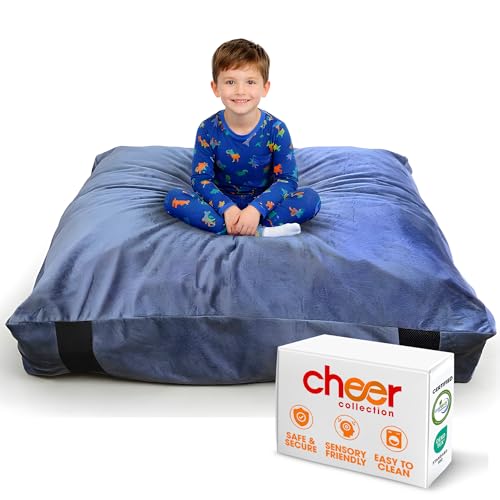
- Large surface for jumping, lounging, and quiet time
- High-density foam with four mesh vents
- Machine-washable removable cover
Best For: Classrooms needing a versatile oversized sensory pad
Best for Sensory Focus
4x4-Foot Blue Sensory Crash Pad

- Combines cushioning with tactile sensory input
- Supports active play, study, and relaxation
- Four mesh ports provide airflow
Best For: Classrooms needing movement and calming support
Best Portable Option
5x5-Foot Crash Mat with Handles

- Four handles help with repositioning
- Non-slip bottom supports stable active play
- Machine-washable microfiber cover
Best For: Flexible classrooms that move activity equipment often
Best Neutral Color
4x4-Foot Grey Sensory Crash Pad

- Subdued grey color suits varied classroom decor
- Cushions jumping and repetitive floor play
- Four mesh ports support airflow
Best For: Classrooms wanting a neutral sensory activity pad
Best Flexible Classroom Crash Pad
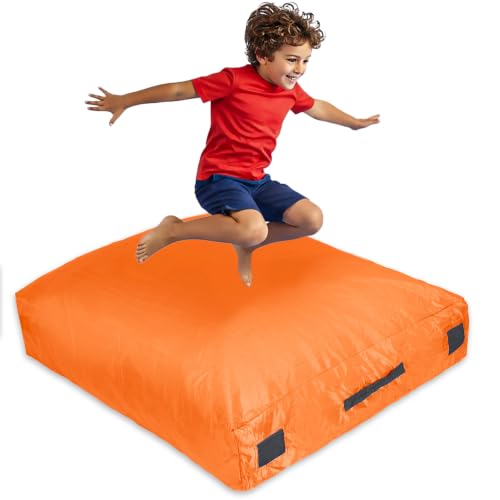
- High-density foam for jumping and rolling
- Machine-washable removable cover
- Useful for active play or calming down
Best For: Compact classroom, playroom, or therapy-space setups
Best Large Classroom Crash Pad

- Spacious 5-by-5-foot landing area
- High-density foam with mesh vents
- Water-resistant, machine-washable nylon cover
Best For: Supervised classroom, clinic, or playroom movement areas
Best Lounge-Ready Classroom Crash Pad
- High-density foam cushions active play
- Washable removable cover and wipe-clean lining
- Doubles as a reading or quiet-time lounge pad
Best For: Indoor classrooms combining sensory play and calm activities
Flexible Bean Pod Crash Pad
MABOZOO 2-in-1 Sensory Crash Mat

- Combines a crash mat and bean bag-style bed
- Shredded foam cushions movement and lounging
- Machine-washable removable cover
Best For: Classrooms needing active-play and relaxation support in one movable pad
Large Classroom Sensory Zone

- Spacious 5-foot soft landing zone
- High-density foam supports active play
- Includes washable cover and ventilation ports
Best For: Larger classrooms and therapy rooms with dedicated sensory space
Compact Sensory Landing Pad

- Space-saving 3-foot classroom format
- High-density foam cushions landings
- Supports sensory and gross-motor activities
Best For: Small classrooms or focused sensory activity stations
Best Overall – 5×5-Foot Foam Crash Landing Pad
For classrooms needing a generous, multipurpose option, this 5×5-foot crash pad provides a cushioned area for sensory play, jumping, landing, reading, and quiet time. Its washable cover and foam-filled design make it practical for regular indoor use.
Best For: Classrooms that want one oversized pad for active play and calming activities.
Pros:
- Plush, high-density foam pieces cushion jumps and crashes.
- Four mesh vents help air escape for a slower, softer bounce.
- Removable cover is machine washable, with a wipe-clean inner lining.
- Large 5×5-foot surface can also serve as a lounge or reading spot.
Cons:
- The large footprint may require substantial classroom floor space.
- The supplied details specify indoor use rather than outdoor use.
This is a strong all-around choice among crash pads for classrooms when size, sensory input, and easy cover cleaning matter most.
Best for Sensory Focus – 4×4-Foot Blue Sensory Crash Pad
This 4×4-foot blue crash pad is designed to combine impact cushioning with sensory input. It can support active floor play while also creating a softer spot for reading, study, therapy, or classroom calming activities.
Best For: Classrooms balancing movement activities with focus and relaxation areas.
Pros:
- Designed to provide tactile feedback for sensory activities.
- Cushioning helps reduce impact during jumping and landing.
- Supports balance, coordination, proprioceptive input, and gross motor play.
- Four mesh ventilation ports promote airflow during use.
Cons:
- The supplied details do not mention a removable or washable cover.
- Its 4×4-foot size offers less coverage than larger crash pads.
Choose this model when sensory feedback and a balance of active and quiet classroom use are higher priorities than maximum floor coverage.
Best Portable Option – 5×5-Foot Crash Mat with Handles
For classrooms that rearrange activity areas, this crash mat stands out with four reinforced handles and a non-slip bottom. The 5×5-foot mat uses shredded foam to cushion landings and can also function as a reading, resting, or calming space.
Best For: Classrooms that need to move a crash pad between rooms or activity zones.
Pros:
- Four reinforced handles make the pad easier to reposition.
- Non-slip bottom helps keep it steady during active play.
- Machine-washable microfiber cover supports routine cleaning.
- Suitable for jumping, tumbling, reading, resting, and calming activities.
Cons:
- The 5×5-foot version may be bulky for small classrooms.
- The supplied dimensions and package details indicate a substantial, heavy item.
This is a practical pick for flexible classroom layouts, especially where staff need to move the pad regularly and clean the cover after frequent use.
Best Neutral Color – 4×4-Foot Grey Sensory Crash Pad
This grey 4×4-foot crash pad offers the same sensory-focused design as the blue version while using a more subdued color. It provides cushioning for jumping and landing and can transition into a soft area for reading, concentration, or classroom relaxation.
Best For: Classrooms preferring a neutral-colored crash pad for sensory and quiet-use areas.
Pros:
- Neutral grey color can blend into varied classroom setups.
- Designed to cushion repetitive jumping and active floor play.
- Supports balance, coordination, proprioceptive input, and gross motor activities.
- Four mesh ventilation ports help release airflow during sensory play.
Cons:
- The supplied details do not specify a washable removable cover.
- The 4×4-foot surface may be limiting for larger group activities.
This version is worth considering when a classroom wants the sensory and cushioning features of this design in a less visually prominent color.
Best Flexible Classroom Crash Pad – SaferBounce Mini Crash Pad
The SaferBounce Mini Crash Pad is a compact option for classrooms that need crash pads for classrooms supporting jumping, tumbling, sensory exploration, and quiet breaks. Its 3-by-3-foot format uses high-density foam and has a removable, machine-washable cover.
Best For: Classrooms, playrooms, and therapy spaces needing a smaller crash pad for active or calming use.
Pros:
- High-density foam cushions jumping, rolling, and landings.
- Removable cover is machine washable.
- Supports both active play and relaxation.
- Available in multiple size options, according to the product title.
Cons:
- The listed mini size is 3 by 3 feet, which provides less landing area than larger models.
- The supplied notes do not specify zipper or interior-foam access protection.
Choose this model when classroom space is limited or when you want a crash pad that can transition from movement activities to a cozy sensory retreat.
Best Large Classroom Crash Pad – Skil-Care 5-Foot Crash Pad
The Skil-Care 5-Foot Crash Pad is designed for supervised school, clinic, and playroom use. As crash pads for classrooms, it offers a broad 5-by-5-foot landing surface, high-density foam sections, mesh vents, and a water-resistant nylon cover.
Best For: Supervised classroom movement areas accommodating one or two children.
Pros:
- Large 5-by-5-foot surface supports jumping and crashing.
- High-density foam sections are designed to absorb impact and hold their shape.
- Mesh vents help release air after use.
- Water-resistant nylon cover wipes clean and is machine washable below 180°F.
Cons:
- The foam interior should not be laundered and requires spot cleaning or wiping.
- Use requires supervision, with the pad kept away from walls and furniture.
- Mesh vents must remain unblocked during use.
This is a strong fit when a classroom needs maximum landing coverage and a durable, maintenance-conscious cover, provided staff can follow the placement and supervision requirements.
Best Lounge-Ready Classroom Crash Pad – Crash Landing Pad 3 x 4 Ft
The Crash Landing Pad 3 x 4 Ft combines active-play cushioning with a comfortable place for reading or quiet time. For classrooms seeking crash pads for classrooms, it provides high-density foam filling, four mesh vents, a removable washable cover, and a zippered inner lining.
Best For: Classrooms that want one pad for sensory movement, supervised crashing, lounging, and quiet activities.
Pros:
- High-density foam pieces cushion jumps while providing a supportive surface.
- Four mesh vents help air escape during use.
- Removable cover is machine washable.
- Can serve as a lounge spot for reading, relaxing, or quiet time.
Cons:
- The 3-by-4-foot size is smaller than a 5-by-5-foot classroom crash pad.
- The inner lining must be wiped clean rather than machine washed.
- The product is intended for indoor use.
Consider this pad when versatility matters more than maximum floor coverage. Its washable cover and lounge-friendly design make it practical for classrooms that combine sensory play with calmer activities.
Flexible Bean Pod Crash Pad – MABOZOO 2-in-1 Sensory Crash Mat
For classrooms that need crash pads for classrooms to support both active movement and downtime, the MABOZOO combines a protective mat with a bean bag-style lounging space. Its shredded-foam fill cushions landings and adapts for seated relaxation, while the removable, machine-washable cover helps simplify cleanup.
Best For: Classrooms seeking one movable pad for jumping, sensory input, quiet lounging, and relaxation.
Pros:
- 2-in-1 design supports active play and quiet rest.
- Shredded foam provides cushioning and conforms to the body.
- Removable corduroy cover is machine washable.
- Lightweight design is easy to move between classroom areas.
Cons:
- Arrives compressed and may need beating and shaking for up to 48 hours to regain its shape.
- The 4-by-5.6-foot format may require dedicated floor space.
The MABOZOO is a versatile choice when a classroom wants a crash pad that can transition from movement activities to a comfortable calming corner. Its washable cover is especially practical for frequent use.
Large Classroom Sensory Zone – WOUDY 5FT Crash Mat
The WOUDY 5FT is a substantial option for crash pads for classrooms, offering a soft landing zone for jumping, repetitive games, and active floor activities. High-density polyurethane foam provides support, while the washable cover and ventilation ports add practical features for shared sensory spaces.
Best For: Larger classrooms, therapy rooms, and active sensory areas that need a spacious landing and relaxation surface.
Pros:
- 5-foot size provides a generous soft landing zone.
- High-density polyurethane foam supports shock absorption and active play.
- Washable cover supports easier classroom maintenance.
- Four mesh ventilation ports promote airflow during sensory play.
Cons:
- Its larger package and 17.69-kilogram weight may make moving and storage more demanding.
- The supplied details do not specify a removable cover closure or washing method beyond describing it as washable.
With its larger footprint and high-density foam construction, this WOUDY mat suits classrooms that can dedicate floor space to a consistent movement or calming station. The one-year warranty is an added consideration for institutional buyers.
Compact Sensory Landing Pad – WOUDY 3FT Crash Mat
For smaller rooms or defined activity areas, the WOUDY 3FT offers a more compact way to add crash pads for classrooms. Its high-density polyurethane foam is designed for soft landings, repetitive games, and sensory activities, and the washable cover helps suit shared educational environments.
Best For: Classrooms needing a smaller sensory pad for targeted jumping, landing, reading, relaxation, or therapy activities.
Pros:
- Compact 3-foot format can fit more easily in limited floor space.
- High-density polyurethane foam provides a supportive landing surface.
- Supports sensory input, balance, coordination, and gross-motor activities.
- Washable cover and four mesh ventilation ports add practical usability.
Cons:
- Smaller coverage may be less suitable for group or wide-area landing activities.
- The supplied details do not specify the cover’s exact washing instructions.
The 3FT WOUDY is a sensible fit when classroom space is limited or staff want a dedicated pad for one activity station. It delivers the same described sensory-focused foam and ventilation features in a lighter, more manageable package than the 5FT version.
How We Picked the Best Crash Pads for Classrooms
We focused on the practical features that matter in schools and therapy settings: usable landing area, foam density, cover durability, cleaning convenience, portability, and overall versatility. We also considered whether each pad is available in classroom-friendly sizes, including compact 3-by-3-foot or 3-by-4-foot designs and larger 4-by-4-foot or 5-by-5-foot options.
Because crash pads are used for jumping, landing, lounging, and sensory regulation, no single design is ideal for every room. Product descriptions should be checked carefully for dimensions, filling or foam type, removable-cover details, and any recommended age or weight guidance before purchase.
Quick Comparison
| Classroom Priority | Best Features to Look For | Most Suitable Size |
|---|---|---|
| Small movement corner | Compact footprint, manageable weight, easy storage | 3 x 3 or 3 x 4 feet |
| General sensory use | Balanced landing surface, washable cover, durable seams | 4 x 4 feet |
| Active gross-motor play | Large landing zone, supportive foam, anti-slip underside | 5 x 5 feet |
| Multi-use classroom furniture | Convertible design for lounging or seating | Medium to large |
Key Buying Factors for Crash Pads for Classrooms
Size and Available Floor Space
Measure the intended area, including clearance around the pad. A larger mat provides more landing coverage but may obstruct walkways, shelves, or evacuation routes. Smaller pads are easier to reposition and store.
Foam Support and Landing Comfort
Look for high-density foam or a substantial filling that cushions landings without immediately bottoming out. A crash pad should feel soft enough for comfort while remaining supportive during repeated use. Follow the manufacturer’s instructions for intended activities and supervision.
Cover Durability and Cleaning
Classroom equipment must withstand frequent handling, spills, and repeated washing. Removable washable covers are especially useful. Check whether the fabric is nylon, canvas-like, or another reinforced material, and confirm the cleaning instructions before buying.
Stability and Safety Details
An anti-slip base can help keep the pad in place on smooth floors. Sealed seams, strong handles, and a shape that stays reasonably flat are also valuable. Keep the pad away from sharp edges, maintain clear surrounding space, and supervise jumping or climbing activities.
Storage and Portability
Handles, foldable construction, or a manageable weight make it easier for staff to move the pad between activity zones. If it will be stored daily, prioritize a design that fits the available closet or shelving space.
Who Should Buy Which Crash Pads for Classrooms?
Choose a Compact Pad for Smaller Classrooms
A 3-by-3-foot or 3-by-4-foot model suits a reading corner, calm-down area, or classroom with limited open floor space. It is also easier to move when the room must be reconfigured.
Choose a 4-By-4-Foot Pad for Everyday Versatility
This size is a practical middle ground for sensory breaks, lounging, and supervised landing practice. It offers useful coverage without the footprint of the largest designs.
Choose a 5-By-5-Foot Pad for Active Movement Areas
Larger crash pads are better for dedicated gross-motor rooms, therapy spaces, or classrooms with ample clear floor area. They provide a wider landing zone but require more storage and careful placement.
Choose a Convertible Pad for Flexible Spaces
A crash mat that can also function as a bean bag or lounge seat may be worthwhile when one product needs to serve several classroom purposes. Prioritize easy cleaning and stable support over extra features.