The best sensory tables give children a dedicated place to explore sand, water, art materials, and hands-on activities without taking over the kitchen table or classroom floor.
Our 2026 roundup compares 10 sensory tables for toddlers, preschoolers, classrooms, and outdoor play, including adjustable, foldable, lidded, and multi-station designs.
Best 10 Sensory Tables Picks for 2026
Best Outdoor Water Play
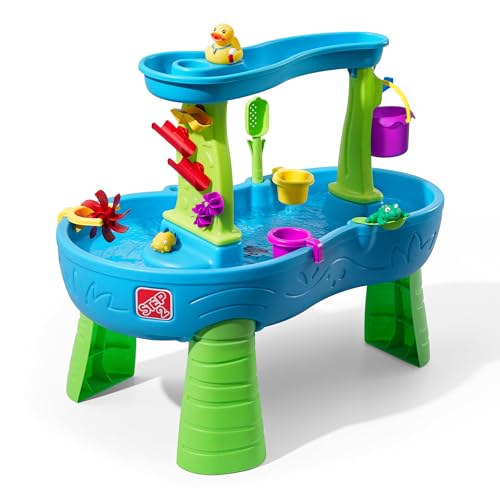
- Interactive waterfall, rainfall, and spinning features
- 13-piece accessory kit included
- Rearrangeable maze pieces support STEM play
Best For: Backyard water play for toddlers and young children
Best Adjustable Multi-Station Table
4-Station Sand and Water Table

- Four separate sensory basins for group play
- Three adjustable height settings
- Covered, certified classroom-ready design
Best For: Supervised classroom and daycare sensory activities
Best Classic Classroom Bin
Children's Factory Water Table

- Lid included for cleaner storage
- Four casters, including two locking
- Open tub supports group play
Best For: Preschool, daycare, and homeschool sensory play
Best Convertible Space-Saving Table

- Converts into a magnetic art easel
- Built-in light table with four puck lights
- Folds flat and includes magnetic tiles and bins
Best For: Multifunctional, space-conscious indoor play
Best Mobile Option
Children's Factory Medium Sensory Table

- Locking casters aid mobility
- Weather-resistant plastic and steel frame
- Supports sand, water, and sensory materials
Best For: Classrooms and playrooms needing a portable, versatile table
Best for Group Activity
Constructive Playthings Sand & Water Table

- Holds up to 4.5 gallons
- Dry-erase top adds art activities
- Includes storage trays and drain plug
Best For: Classrooms and shared play areas
Best Compact Choice
Children's Factory Small Sensory Table

- Compact 18-inch-height design
- Includes a protective lid
- Suitable for indoor and outdoor play
Best For: Preschools and smaller play spaces
Best Wooden Set
VEVOR Sensory Table and Chairs

- Includes two stools and two storage bins
- Paper roll holder supports drawing activities
- Pine wood and MDF design for indoor or outdoor play
Best For: Families seeking a seated sensory and art-play station
Best Classroom Option
GREENGUARD Gold Sand and Water Table
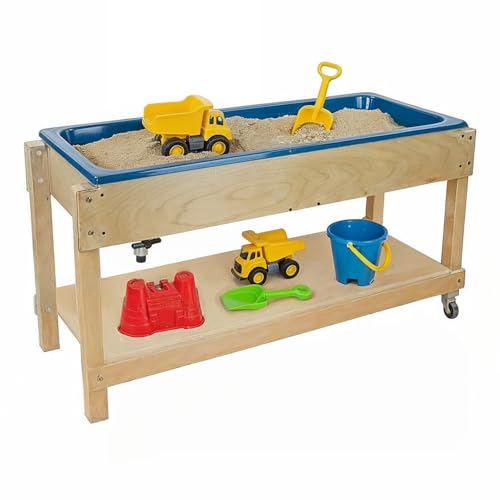
- Deep tub accommodates sand, water, rice, and cereal
- Drain faucet and locking casters improve practicality
- Lid converts to a work surface or storage shelf
Best For: Indoor classrooms and Montessori-style playrooms
Best Adjustable Table
VEVOR Two-Station Sensory Table

- Three height settings fit ages 3 to 6
- Two removable bins support separate activities
- Lightweight frame works indoors or outdoors
Best For: Growing preschoolers and easy-clean sensory play
Best Outdoor Water Play – Rain Showers Splash Pond
The Step2 Rain Showers Splash Pond is a strong choice among sensory tables for toddlers who enjoy active outdoor water play. Its bucket-fed waterfall, rainfall effect, spinners, ramps, and rearrangeable maze pieces add simple cause-and-effect STEM activities.
Best For: Toddlers and young children who want an engaging backyard water table with included accessories.
Pros:
- Waterfall and rainfall features create interactive cause-and-effect play.
- Includes a 13-piece accessory kit with cups, squirters, a strainer, and maze pieces.
- Rearrangeable components support varied play setups and STEM exploration.
- Designed for outdoor use and can be cleaned with household cleaners or disinfectant wipes.
Cons:
- It is intended for outdoor use rather than a versatile indoor setup.
- Water play requires adult supervision and regular cleanup.
Choose this model if movement, splashing, and built-in water effects matter more than adjustable height or covered storage. The 39-inch footprint and broad accessory set make it especially appealing for shared backyard play.
Best Adjustable Multi-Station Table – 4-Station Sand and Water Table
ECR4Kids 4-Station Sand and Water Adjustable Play Table, Sensory Bins, Primary
Check Price On AmazonThe ECR4Kids 4-Station Sand and Water Table stands out among sensory tables for group activities. Four covered basins give children separate spaces for sand, water, or toys, while three height settings help adapt the table to different users and play areas.
Best For: Classrooms, daycares, playrooms, and supervised group sensory activities for children ages 3 to 5.
Pros:
- Four basins support shared play and multiple sensory materials.
- Adjusts to 20, 22.5, or 26 inches for more flexible positioning.
- Translucent lift-off lids help cover the approximately three-gallon basins.
- GREENGUARD Gold Certified and CPSIA compliant, with rounded edges and rubber feet.
Cons:
- The 39.8-pound steel table is less portable than lightweight plastic models.
- It requires adult active engagement and direct supervision.
- The manufacturer advises bringing it indoors to help prevent rust.
This is a practical pick when several children need access at once and adjustable height is important. Its sturdy classroom-oriented construction favors stability and organization over easy one-person relocation.
Best Classic Classroom Bin – Children's Factory Water Table
The Children’s Factory Water Table and Lid Set is a straightforward option among sensory tables for indoor or outdoor sand and water play. Its open tub supports solo or shared activities, while the included lid and mobile frame make storage and relocation easier.
Best For: Preschools, daycares, homeschool rooms, and families seeking a covered sensory table with casters.
Pros:
- Included lid helps keep the tub clean when it is not in use.
- Four casters, including two locking wheels, support mobility and positioning.
- Weather-proof plastic tub and rust-resistant galvanized steel frame are suited to indoor or outdoor use.
- Open 36-by-24-inch tub allows children to play together.
Cons:
- Assembly is required.
- The table has one fixed 24-inch height rather than adjustable positions.
- It is recommended for ages 3 and up, so it may not suit younger toddlers.
This model makes sense for buyers who value a simple, durable play surface and easy movement over extra stations or height adjustment. The lid and locking casters are useful practical touches for recurring classroom or playroom use.
Best Convertible Space-Saving Table – Montessori Sensory Art Easel
The Mama Bear Educational Montessori table combines several activities in one compact design. In addition to sensory bins, it converts into a magnetic art easel and includes light-table panels, puck lights, magnetic tiles, and art supplies, making it one of the most versatile sensory tables for indoor creative play.
Best For: Families wanting a multifunctional, foldable activity center for children ages 2 and up.
Pros:
- Converts from a sensory table to a magnetic whiteboard or blackboard easel.
- Built-in light-table setup includes two acrylic panels and four remote-controlled puck lights.
- Includes two collapsible bins, 25 magnetic tiles, art supplies, and additional accessories.
- Folds to approximately 3.14 inches flat and has adjustable 19- to 21-inch height.
Cons:
- The many included components may require more setup and organization.
- Its compact tabletop dimensions may provide less open sensory space than larger classroom tables.
- Light-table and magnetic features depend on keeping the included accessories together.
This is the most feature-rich choice for homes where storage space is limited and children enjoy switching between sensory, art, light, and magnetic activities. Its solid-wood construction, wipe-clean surface, and fold-flat design make it particularly suited to flexible indoor use.
Best Mobile Option – Children's Factory Medium Sensory Table
Children's Factory Medium Sensory Table – 24″ Height, Sandbox, Water Table for Kids, Red
Check Price On AmazonFor shoppers comparing sensory tables, this 24-inch model stands out as a weather-resistant plastic-and-metal option with wheels for easier repositioning. Its rectangular basin can hold sand, water, or other sensory-safe materials for indoor or outdoor activities.
Best For: Classrooms, playrooms, and families who want a mobile sensory table for varied activities.
Pros:
- Four casters, including two locking wheels, make it easier to move and secure.
- Weather-proof plastic and a rust-resistant galvanized steel frame support regular use.
- 24-inch height and 36-by-24-inch dimensions provide room for group sensory play.
- Works with sand, water, and other small sensory-safe materials.
Cons:
- The supplied notes list indoor usage despite describing indoor/outdoor capability, so buyers should confirm their intended setup.
- A 24-inch height may not suit very young children as well as the smaller model.
This is a practical pick when portability and a sturdier frame matter. The locking casters add flexibility, while the open basin supports repeatable sand, water, and educational play.
Best for Group Activity – Constructive Playthings Sand & Water Table
This Constructive Playthings model is one of the more spacious sensory tables, measuring 46 by 21 by 24 inches and holding up to 4.5 gallons. It combines sand and water play with a dry-erase top, storage trays, and a drain plug for easier cleanup.
Best For: Classrooms and play areas where multiple children need space for tactile, art, and water activities.
Pros:
- Large surface supports simultaneous play for multiple children.
- Dry-erase top provides an additional drawing and writing activity.
- Two side trays offer convenient toy storage.
- Moisture-resistant resin wipes clean, and the screw-in plug simplifies draining.
Cons:
- At 33.1 pounds, it is heavier than the smaller sensory table options.
- Only two of the four caster wheels lock, according to the supplied details.
- The listed age guidance focuses on toddlers, so older children may outgrow its intended use.
Choose this table when capacity and built-in features are priorities. Its generous basin, writing surface, storage, and drainage system make it particularly suited to structured classroom activities.
Best Compact Choice – Children's Factory Small Sensory Table
Children's Factory 18" Small Sensory Table, Sandbox with Lid, Water Table for Kids, Blue
Check Price On AmazonAmong compact sensory tables, this 18-inch model is designed for younger children and includes a lid for covered storage between activities. Its lightweight plastic-and-metal construction accommodates sand, water, or other sensory-safe fillers indoors or outdoors.
Best For: Preschools, playrooms, and smaller spaces that need a lightweight sensory table with a lid.
Pros:
- Compact 28.5-by-20.5-inch footprint fits more easily in smaller play areas.
- Included lid helps cover the table when it is not in use.
- Protective boots help stabilize the four table legs and simplify repositioning.
- Supports both indoor and outdoor sensory activities.
Cons:
- It offers less play space than the larger 24-inch and group-activity models.
- The leg-based design does not provide the caster mobility of the medium table.
- Assembly requires a screwdriver and wrench.
This is a sensible choice when floor space, child-friendly height, and covered storage are more important than maximum capacity. Its smaller footprint makes it easier to place in a preschool or home playroom.
Best Wooden Set – VEVOR Sensory Table and Chairs
This VEVOR sensory table combines a play surface with seating for two, giving toddlers a defined spot for drawing, sensory activities, and creative play. Its pine wood and MDF construction, storage bins, and paper roll holder make it a practical choice for indoor or outdoor use.
Best For: Families wanting a multi-use sensory table with built-in seating and art-storage features.
Pros:
- Includes two stools for shared play.
- Two storage bins help organize play materials.
- Paper roll holder supports drawing and creative activities.
- Suitable for multiple play settings, including indoor and outdoor use.
Cons:
- Engineered wood and pine construction may require care to prevent moisture damage.
- The 16.1-pound table may be less convenient to move frequently than a lighter plastic model.
This is a versatile pick if you want sensory play, seating, and drawing functionality in one natural-wood-style set. Wipe it with a damp cloth for routine care.
Best Classroom Option – GREENGUARD Gold Sand and Water Table
This GREENGUARD Gold Certified sensory table is designed for indoor classroom and playroom use, with a deep plastic tub for sand, water, rice, cereal, and other tactile materials. Locking casters, a drain faucet, and a convertible lid add practical features for supervised sensory activities.
Best For: Classrooms, Montessori spaces, and playrooms that need a durable indoor sensory table with mobility and storage options.
Pros:
- Six-inch-deep blue tub contains sensory materials.
- Built-in drain faucet helps empty water after play.
- Locking casters support repositioning and secure placement.
- The lid converts the tub into a flat work surface or storage shelf.
Cons:
- Designed for indoor use only and should be kept out of direct sunlight.
- At 41 pounds, it is heavier than the other listed tables.
- Simple leg attachment is required.
With its birch plywood construction, rounded edges, storage lid, and drainage feature, this model is particularly well suited to organized indoor learning environments. Its 24-inch height and wide 46-inch footprint should be considered when planning the available space.
Best Adjustable Table – VEVOR Two-Station Sensory Table
This VEVOR sensory table offers two separate stations for sand, water, or toys, making it suitable for solo or shared play. Three height settings, removable bins, rounded corners, and non-slip feet give it flexibility for children ages 3 to 6 in indoor or outdoor spaces.
Best For: Preschoolers and caregivers who want an adjustable, lightweight table for two children and easy cleanup.
Pros:
- Two detachable bins support separate activities or shared play.
- Three height settings accommodate growing children ages 3 to 6.
- Carbon steel frame and PP bins support up to 66 pounds.
- Removable bins make emptying and rinsing straightforward.
Cons:
- Storage or covering is recommended to keep the table clean and dry when used outdoors.
- The red-and-blue color scheme may not suit every play area.
- It does not include seating.
This is a strong choice when adjustability and cleanup matter more than built-in seating. Its 16.5-pound weight also makes it easier to move between a playroom, classroom, patio, or balcony.
How We Picked These Sensory Tables
We selected tables that support practical sensory play while covering different needs, budgets, and spaces. The lineup includes compact toddler models, adjustable classroom tables, indoor/outdoor designs, tables with chairs or storage, and options built for sand, water, art, or several activities at once.
We also considered age suitability, table height, basin configuration, cleanup features, storage, portability, durability, and whether the design is better suited to home use, preschool, daycare, or structured classroom activity. Product specifications and included accessories can vary, so check the current listing before purchasing.
Quick Comparison
| Best For | Look For |
|---|---|
| Young toddlers | Low height, rounded edges, stable legs, and a manageable basin |
| Multiple children | Large surface area, several stations, and sturdy construction |
| Small spaces | Folding legs, removable bins, or a compact footprint |
| Mess control | Lids, storage bins, drainage features, and easy-clean surfaces |
| Classrooms | Durable materials, adjustable height, and safety certifications |
Key Buying Factors for Sensory Tables
Height and Age Range
A low table is usually easiest for toddlers to reach, while adjustable or taller models can accommodate preschoolers and multiple age groups. Check the actual tabletop and basin height rather than relying only on the stated age range.
Capacity and Stations
Single-basin tables work well for one child or a focused activity. Two- and four-station designs are better for siblings, classrooms, or activities that use different materials at the same time, but they require more floor space.
Materials and Stability
Plastic is typically lightweight and simple to rinse outdoors. Wood or plywood may offer a more classroom-oriented appearance and stronger structure, but it can require more careful drying and maintenance. Look for broad feet, secure legs, and a table that does not wobble when children lean on it.
Cleanup and Storage
Lids help keep bins clean between sessions, while removable tubs make emptying and washing easier. Built-in shelves, detachable bins, and accessory storage can reduce clutter, especially in indoor playrooms.
Indoor or Outdoor Use
Confirm whether the table is designed for outdoor exposure. Even outdoor-friendly plastic should generally be emptied and stored away from prolonged sun, freezing temperatures, and standing water.
Who Should Buy Which Sensory Tables?
Choose a compact lidded table if you need an easy-to-store option for one toddler. Families with limited space may prefer folding or removable-bin designs that can be put away after play. For siblings or group activities, prioritize multiple stations, a wider footprint, and durable construction.
Classrooms and daycare centers should focus on adjustable height, easy sanitation, strong materials, and relevant safety certifications. If art is as important as sand and water, a model with an easel, magnetic surface, light box, or paper-roll holder may provide better long-term value than a basic basin table.
Finally, consider what children will use most. A simple water table may be the best choice for outdoor summer play, while a covered, multi-use sensory table is more versatile for year-round indoor activities.