Soft play furniture can make a big difference for children who need movement, compression, and a safer space to self-regulate. The right pieces support calm play without overwhelming noise, edges, or rigid seating.
Below, we’ve rounded up 10 of the best soft play furniture for autism options for homes, classrooms, and sensory rooms, with a focus on comfort, durability, and everyday usability.
Best 10 Soft Play Furniture for Autism Picks for 2026
Modular Play

- 7 modular pieces for many setup options
- Soft coral fleece with supportive foam fill
- Good for reading, lounging, and fort play
Best For: kids who enjoy rearranging soft furniture for creative play
Cloud Rocker
Inflatable Sensory Rocking Chair
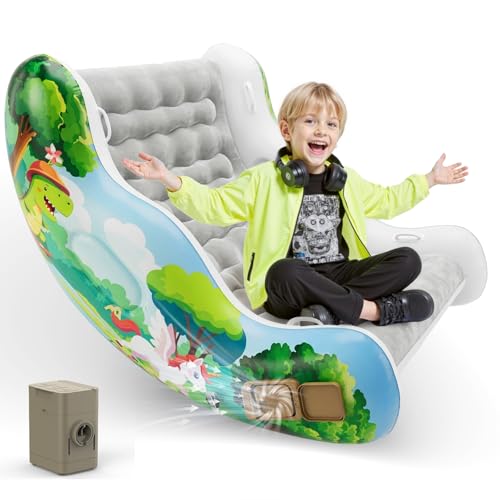
- Inflates or deflates in 1-3 minutes
- Supports rocking, bouncing, and balancing
- Portable, leak-proof PVC build
Best For: families needing a portable sensory chair with gentle motion
Calming Squeeze

- Full-body compression for calming input
- Rock-and-reset motion for gentle movement breaks
- Machine-washable removable cover
Best For: kids who need a grounding seat for focus and self-regulation
Bubble Bouncer
Inflatable Sensory Rocking Chair

- 2-in-1 rocker and bubble bouncer
- Safety hand grips and buffer design
- Inflates fast and stores compactly
Best For: active kids who need portable rocking and bouncing sensory input
Calming Rocker Pick
Sensory Rocking Chair for Kids

- High-density foam keeps its shape
- Waterproof PU cover is easy to clean
- Handles make it easy to move
Best For: Kids who need a soft indoor rocker for calming motion and focus
Inflatable Deep-Pressure Option
Sensory Chair for Kids with Autism

- Heavy-duty PVC for long-lasting use
- Inflates or deflates in 1-3 minutes
- Built for rocking, bouncing, and balancing
Best For: Kids ages 3-12 who need portable sensory seating with deep-pressure comfort
Flexible Active Seat
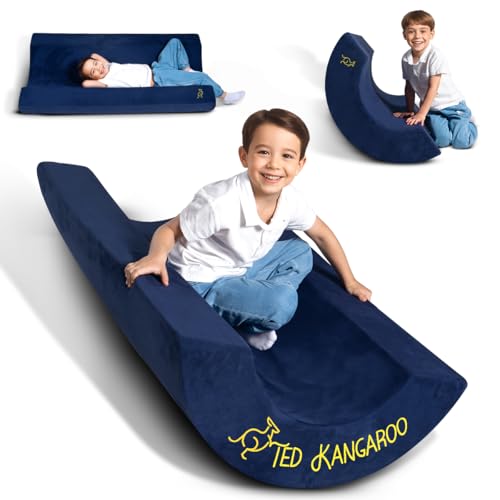
TED KANGAROO CloudBalance Sensory Chair

- Multiple positions for rocking or play
- Dense foam with soft cotton cover
- Lightweight and easy to move
Best For: Children who need active seating for focus, engagement, and movement
Inflatable 3-in-1 Pick

- Works as a rocking chair, crash pad, and sensory pod
- Designed for deep pressure input and calming support
- Inflates for easy storage and cleaning
Best For: Sensory-seeking toddlers who need a versatile calming seat
Foam Rocking Option
- Half-barrel shape supports rocking, climbing, and balancing
- Foam build is designed for durable indoor use
- Helps encourage proprioception and motor skills
Best For: Kids who want active sensory movement in a sturdy foam rocker
Indoor/Outdoor Rocker

- Gentle seesaw motion for calming input
- Built for indoor and outdoor use
- Designed to support balance and coordination
Best For: Younger kids who need a sturdy rocker for active sensory play
Modular Play – 7-Piece Creative Foam Couch
If you’re comparing soft play furniture for autism, this 7-piece modular foam sofa is a versatile pick for kids who benefit from open-ended, hands-on play. The multiple configurations make it easy to build a reading nook, lounge spot, tunnel, or fort, while the soft coral fleece and foam construction keep it comfortable for everyday use.
Best For: Children who like rearranging furniture into different play shapes for reading, resting, and creative exploration.
Pros:
- 7 separate pieces support many layout options for play and relaxation
- High-density rebound foam offers supportive, kid-friendly seating
- Soft coral fleece cover feels gentle on skin
- Works well in playrooms, bedrooms, or family spaces
Cons:
- Ships compressed and needs up to 72 hours to fully expand
- No removable seat cushion cover listed
- May be too small for older kids seeking larger seating
This is a practical choice for families who want a flexible soft-play setup that encourages both movement and calm activities. Its modular design is the main advantage, especially when you want furniture that can adapt to changing routines.
Cloud Rocker – Inflatable Sensory Rocking Chair
For buyers searching for soft play furniture for autism, this inflatable sensory rocking chair focuses on calming movement and quick setup. The curved rocker base, soft non-slip surface, and deep-pressure feel are designed to support rocking, bouncing, balancing, and snuggling in a compact indoor piece.
Best For: Kids who respond well to gentle motion and a cozy, portable sensory seat.
Pros:
- Designed for rocking, bouncing, balancing, and snuggling
- Portable air pump inflates or deflates the chair in 1-3 minutes
- Supports up to 265 lbs
- Leak-proof PVC construction with reinforced sealing
Cons:
- Inflatable design requires care around sharp objects
- Needs regular seam and valve checks for wear
- Best suited for indoor use
This chair makes sense if portability and sensory motion matter more than traditional foam furniture. It offers a compact, easy-to-store option for home, classroom, or travel use when you want a soothing seat that can be set up quickly.
Calming Squeeze – Soft Compression Sensory Seat
If you’re shopping for soft play furniture for autism that helps with calming input, this sensory squeeze seat is built around full-body compression and rocking motion. It is intended to help kids feel secure during quiet time, reading, classroom breaks, or therapy sessions while still giving them a playful way to reset.
Best For: Children who need a cozy, grounded seat for calming down, focusing, or taking movement breaks.
Pros:
- Provides calming full-body compression for sensory regulation
- Rock-and-reset design adds gentle back-and-forth motion
- Lightweight at 4.9 pounds and easy to move room to room
- Removable cover is machine washable
Cons:
- More specialized than a standard chair or sofa
- Single-seat design limits shared use
- Best suited to children rather than larger users
This is a strong fit for calm-down corners and sensory-friendly spaces where structured comfort matters. The combination of compression, rocking, and easy cleanup makes it especially practical for daily use at home or in school settings.
Bubble Bouncer – Inflatable Sensory Rocking Chair
For families comparing soft play furniture for autism, this inflatable rocking chair is built for sensory-seeking movement and compact storage. Its gentle rocking and bubble-bouncer action aim to support balance, coordination, and vestibular input, while the inflatable structure makes it easy to inflate, deflate, and tuck away when not in use.
Best For: Children who want an inflatable sensory seat for rocking, bouncing, and active play.
Pros:
- 2-in-1 rocking chair and bubble bouncer design
- Safety hand grips and anti-collision buffer add stability
- Thick PVC vinyl with reinforced sealed seams
- Portable and space-saving after deflation
Cons:
- Inflatable furniture needs careful use around sharp objects
- Maximum weight recommendation is 200 pounds
- Best for indoor sensory spaces rather than everyday lounging
This option stands out for active sensory play and easy storage, especially in smaller rooms or shared spaces. If you want a furniture piece that combines movement input with portability, it offers a straightforward, practical setup.
Calming Rocker Pick – Sensory Rocking Chair for Kids
If you’re comparing soft play furniture for autism, this sensory rocking chair is a simple option built around gentle motion, soft foam, and easy cleanup. It works well as a calming seat for reading, relaxing, or sensory breaks in a home or classroom setting.
Best For: Kids who like a soft, foam rocker for calming movement, focus time, and sensory-room use.
Pros:
- High-density foam helps it keep its shape during active use.
- Rounded edges and soft construction add child-friendly comfort.
- Waterproof, tear-resistant PU cover is removable and easy to clean.
- Handles on both sides make it easier to carry and move.
Cons:
- Designed for indoor use only.
- Size may be better suited to younger children than older kids.
This is a practical pick if you want a durable sensory rocker that supports rocking, balance work, and calm-down time without needing assembly.
Inflatable Deep-Pressure Option – Sensory Chair for Kids with Autism
For soft play furniture for autism with a more enveloping feel, this inflatable sensory chair is built for rocking, bouncing, and balancing. Its gentle motion and deep-pressure style design make it a versatile choice for a sensory corner at home, in a classroom, or on the go.
Best For: Kids ages 3-12 who benefit from rhythmic movement, portable sensory seating, and deep-pressure support.
Pros:
- Heavy-duty PVC construction is designed for durability and leak resistance.
- Built-in removable air pump inflates or deflates in 1-3 minutes.
- Curved base supports rocking, bouncing, and balancing play.
- Supports calm focus through rhythmic motion and gentle compression.
Cons:
- Needs inflation before use.
- Plastic seat material may feel different from foam or fabric options.
This is a strong fit if portability matters and you want a sensory seat that can be set up quickly for active play and self-soothing.
Flexible Active Seat – TED KANGAROO CloudBalance Sensory Chair
If you’re shopping for soft play furniture for autism that supports movement without leaving the seat, this foam rocker is aimed at active seating and focus. Its flexible shape lets kids rock, wiggle, or use it in different positions, which can be helpful in classrooms, playrooms, or study areas.
Best For: Children who do best with fidget-friendly seating that encourages movement, engagement, and motor-skill practice.
Pros:
- Multiple uses: upright seating, side rocking, or even slide-style play.
- Dense foam construction is paired with a soft, breathable cotton cover.
- Lightweight and portable for moving between rooms.
- Easy-to-clean removable cover suits busy homes or classrooms.
Cons:
- Designed for indoor use only.
- Low profile may not feel like a traditional chair.
This is a useful option if your goal is active seating that helps kids stay engaged while still offering a soft, durable place to rest and move.
Inflatable 3-in-1 Pick – 3-in-1 Deep Pressure Seat
If you’re comparing soft play furniture for autism, this inflatable sensory chair stands out for kids who need deep pressure, rocking input, and a calming place to settle down. It works as a rocking chair, crash pad, and sensory pod, so it can fit both playtime and regulation time in one piece.
Best For: Toddlers and young kids who are sensory seekers and need a flexible calming seat for home or classroom use.
Pros:
- 3-in-1 design can be used as a rocking chair, crash pad, or sensory pod
- Built for deep pressure input and calming sensory feedback
- Inflatable, easy to clean, and easier to store than bulky foam furniture
- Suitable for sensory rooms and classroom calm-down spaces
Cons:
- Requires inflation with the included pump before use
- Best suited to indoor use
- Maximum weight limit is 265 pounds
This is a practical choice if you want a multi-use sensory seat that supports rocking and pressure-based soothing without taking up permanent space.
Foam Rocking Option – Sensory Foam Body Rocker
For families looking at soft play furniture for autism, this foam body rocker is a simple indoor option that focuses on rocking, balancing, and climbing play. Its half-barrel shape gives kids different ways to engage their bodies, which can be helpful in a sensory space or calm-down corner.
Best For: Children who like active sensory play and need a sturdy foam rocker for home, classroom, or therapy spaces.
Pros:
- Supports rocking, swaying, balancing, and climbing activities
- Foam construction is made for durable everyday use
- Helps promote proprioception, core strength, and motor skill development
- Works well in both calm-down zones and active play areas
Cons:
- Indoor use only
- Large footprint may require dedicated floor space
- Requires no assembly, but it is a fixed foam piece rather than a compact item
This is a good fit when you want a soft, stable rocker that encourages movement and body awareness without adding complicated setup.
Indoor/Outdoor Rocker – Durable Sensory Floor Rocker
If you want soft play furniture for autism that can handle indoor or outdoor use, this sensory rocking chair is built around gentle seesaw-style motion and durable construction. It’s designed for kids who benefit from repetitive rocking for calming input, while also supporting balance and coordination practice.
Best For: Toddlers and early school-age children who need a sturdy rocking and balance tool for indoor or outdoor play.
Pros:
- Gentle rocking motion supports calming sensory stimulation
- Made to help build balance, coordination, and spatial awareness
- Suitable for indoor and outdoor settings
- Sturdy frame is designed for active use
Cons:
- Lower weight limit of 88 pounds
- Smaller size may not suit older or larger children
- Focuses more on rocking play than cushioned lounging
This is a straightforward pick if you want a rugged sensory rocker that can move between play areas and still deliver the calming motion many kids respond to.
How We Picked These Soft Play Furniture for Autism Options
We focused on products that can support sensory needs in practical settings like bedrooms, playrooms, therapy corners, and classrooms. Priority went to pieces with soft foam construction, inflatable flexibility, washable or easy-clean covers, stable rocking or seating designs, and age-appropriate sizing. We also looked for options that encourage safe gross-motor play, deep pressure input, and calmer transitions.
Quick Comparison: What These Types of Products Do Best
Not every option serves the same purpose. Modular foam sofas are best for open-ended building, lounging, and group play. Rocking chairs and rocker-style seats are better for vestibular input, focus, and calming motion. Inflatable options can be lighter, softer, and easier to store, while dense foam choices usually feel more stable and structured. Matching the format to the child’s sensory preference matters more than choosing the most elaborate design.
Key Buying Factors for Soft Play Furniture for Autism
1. Sensory Input Type
Some children seek deep pressure and enclosure, while others respond better to movement and rocking. For Soft Play Furniture for Autism, think about whether the child calms through squeezing, reclining, bouncing, or gentle motion.
2. Stability and Safety
Look for wide bases, low profiles, and materials that won’t tip easily. Rounded edges and foam construction are especially helpful for younger children or more active play.
3. Cleaning and Durability
Washable covers, wipe-clean surfaces, and puncture-resistant materials can make a major difference in real-world use. In shared spaces, durability often matters more than novelty.
4. Space and Portability
Some families need foldable or inflatable pieces that tuck away when not in use. Others may prefer heavier foam furniture that stays put and creates a consistent calm-down zone.
5. Age and Body Size
Check weight limits and dimensions carefully. A piece that is too small may frustrate a bigger child, while oversized furniture may not give enough support to a toddler.
Who Should Buy Which Soft Play Furniture for Autism?
If you want flexible, social play, a modular foam set is often the best starting point. If the goal is regulation, a sensory chair or rocker may be more effective. For families with limited room, inflatable models offer easy storage and simple setup. For classrooms or therapy spaces, prioritize sturdy foam seating with easy-clean surfaces and enough structure for repeated daily use.
In short, the best choice depends on how the child regulates best. When Soft Play Furniture for Autism matches the child’s sensory profile, it can become a tool for calm, confidence, and more successful play.