A sensory room cocoon chair can give kids a cozy, enclosed space that supports calming, movement, and self-regulation. The right design depends on whether you want gentle compression, a hanging swing feel, or a soft inflatable option.
In this roundup, we focus on practical features that matter most for daily use: comfort, safety, ease of setup, and how well each chair fits different sensory needs.
Best 10 Sensory Room Cocoon Chair Picks for 2026
Calming Compression Pick
TED KANGAROO Soft Squeeze Seat

- Hug-like compression for calming input
- Rocking motion helps release energy
- Machine-washable removable cover
Best For: Kids who need a secure, body-hugging seat for sensory breaks
Inflatable Cozy Pod
Ted Kangaroo Sensory Pod Chair

- Adjustable air chambers change the squeeze
- Lightweight and easy to transport
- Soft bouncy pod shape for snuggling
Best For: Families wanting a portable sensory pod with customizable compression
Foam Cocoon Retreat
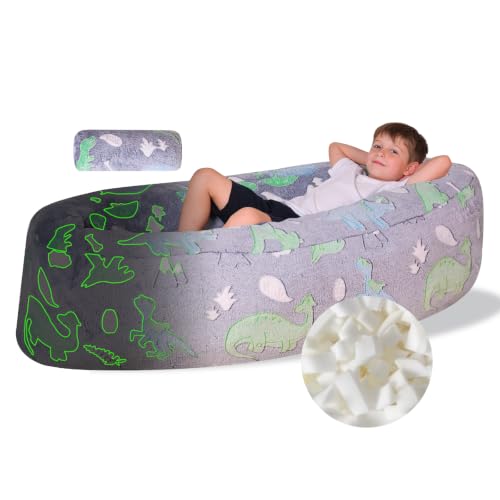
- Foam build never deflates
- Non-slip base helps prevent sliding
- Washable cover for easier care
Best For: Kids who need a stable foam cocoon chair for calm-down time
Kids Cocoon Swing
Breathable Pod Swing with Cushion

- Breathable cotton canvas feels soft and comfy.
- Wraparound design creates a snug sensory space.
- Includes hardware, cushion, and storage bag.
Best For: Kids who want a calming hanging seat for reading and quiet time.
Deep Pressure Sensory Chair

- 3-in-1 design works as a chair, crash pad, or pod.
- Built for deep pressure input and calming movement.
- Deflates for easier storage and travel.
Best For: Sensory seekers who need deep pressure and rocking in one inflatable seat.
Memory Foam Pod Swing

- Memory foam cushioning adds soft support.
- Pod shape creates a cozy enclosed feel.
- Compact design saves floor space.
Best For: Kids who want a padded hanging seat for quiet indoor relaxation.
Inflatable Rocker

- Gentle rocking and bubble-bouncer motion
- Inflatable buffer with safety hand grips
- Thick PVC vinyl with easy-clean build
Best For: Kids who need movement-based sensory input and portable indoor use
Calming Cocoon

- Foam peapod shape offers gentle compression
- Non-slip base and washable cover
- Does not deflate like inflatable chairs
Best For: Children who need a soft, stable cocoon for calming and self-regulation
Upgraded Pod
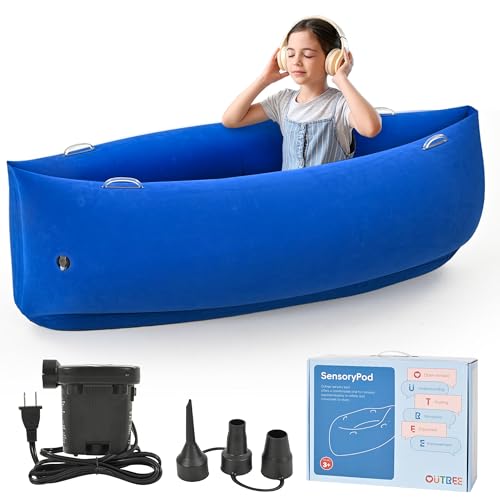
- Hug-like pressure input for calming comfort
- Thicker inflatable material aims to reduce leaks
- Velvety flocking surface feels softer on skin
Best For: Kids ages 3-15 who want an inflatable cocoon-style pod for indoor calming
Calming Compression Pick – TED KANGAROO Soft Squeeze Seat
If you’re shopping for a sensory room cocoon chair that helps a child settle, this Soft Squeeze Seat is built around compression and gentle motion. It offers a snug, hugging feel with a rocking design, making it a practical option for kids who need help refocusing at home, in class, or during therapy.
Best For: Kids who want a soothing, body-hugging seat for calming breaks, reading, or sensory resets.
Pros:
- Full-body compression can help children feel secure and regulate emotions.
- Rock-and-reset design adds gentle back-and-forth movement.
- Firm foam construction is made for everyday use and keeps its shape.
- Removable cover is machine washable for easier cleanup.
Cons:
- Designed for seated use, so it is less flexible than a swing or inflatable pod.
- May be best for kids who respond well to compression rather than open lounging.
Overall, this is a straightforward cocoon-style sensory chair for families who want something portable, washable, and easy to use in a calm-down corner. It focuses more on steady compression than novelty, which can be exactly what some kids need.
Inflatable Cozy Pod – Ted Kangaroo Sensory Pod Chair
Sensory Chair for Kids — Inflatable Peapod for Children, Includes Electric Air Pump
Check Price On AmazonThis sensory room cocoon chair uses an inflatable pod shape to create a soft, enclosed place kids can rock, bounce, and snuggle. With three adjustable air chambers and an included electric pump, it is a flexible option for children who like to fine-tune how much compression they feel.
Best For: Kids who want an adjustable, portable sensory seat with a soft bouncy feel.
Pros:
- Three air chambers let you customize the pressure level.
- Lightweight build makes it easier to move or travel with.
- Soft, round walls create a cozy enclosed feel.
- Reinforced seams and thicker walls are made for active play.
Cons:
- Inflatable design may not feel as solid as foam-based cocoon chairs.
- Needs inflation setup before use.
For families who want a highly adjustable cocoon seat, this pod stands out for its custom air control and easy portability. It is a good fit when flexibility matters more than a fixed foam structure.
Hanging Nest Swing – Sorbus Pod Swing for Kids
As a sensory room cocoon chair alternative, this pod swing gives kids a suspended nest with gentle motion and a cozy enclosed feel. The teepee-style hanging design is meant for relaxing, reading, and imaginative play, while also offering a calming swing that can support sensory needs.
Best For: Kids who like gentle swinging, a roomy cocoon feel, and a play-friendly hangout spot.
Pros:
- Gentle swing movement encourages balance and relaxation.
- Spacious design holds up to 3 kids and supports up to 250 lbs.
- Windows and entrance add visibility and easy access.
- Suitable for indoor or outdoor use with included hardware.
Cons:
- Requires secure installation from a sturdy beam, tree limb, or ceiling.
- Needs adult supervision and a parts check before each use.
This is a strong choice if you want a cocoon-like sensory space with movement built in. It is less like a chair on the floor and more like a suspended retreat, which can be ideal for kids who enjoy swinging while they unwind.
Foam Cocoon Retreat – Sensory Canoe Chair for Kids
This sensory room cocoon chair is built as a foam peapod-style canoe that wraps around the body for gentle compression and a calm, enclosed feel. Unlike inflatable options, it uses a high-resilience foam core, so it stays ready for reading, relaxing, and sensory downtime without needing to be refilled.
Best For: Kids who need a stable, foam-filled cocoon seat with a soft, secure feel.
Pros:
- Foam core does not deflate and provides lasting support.
- Non-slip dotted base helps keep the chair in place.
- Machine-washable removable cover simplifies cleanup.
- Glow-in-the-dark patterns add a comforting visual touch.
Cons:
- Arrives vacuum-compressed and needs time to fully expand.
- Indoor-only use limits placement options.
For buyers who want a more permanent cocoon chair feel, this foam canoe is the most stability-focused option here. It balances comfort, easy care, and a secure base, which can be helpful in a bedroom, classroom, or therapy area.
Kids Cocoon Swing – Breathable Pod Swing with Cushion
If you want a sensory room cocoon chair that feels more like a calming hideaway than a basic swing, this pod-style seat is a strong fit. The breathable cotton canvas, wraparound shape, and inflatable cushion are designed to create a snug spot for reading, quiet play, or downtime.
Best For: Kids who want a soft, enclosed hanging seat for calming breaks, reading, or sensory relaxation.
Pros:
- Wraparound pod design helps create a cozy, enclosed feeling.
- Breathable cotton canvas and inflatable cushion add comfort for longer sitting.
- Includes mounting hardware and accessories for flexible indoor or outdoor setup.
- Side pockets offer handy storage for books, toys, or snacks.
Cons:
- Requires ceiling, beam, bracket, or other secure hanging installation.
- Inflatable cushion firmness needs adjustment for the best comfort.
This is a practical pick if you want a hanging sensory seat that balances comfort, portability, and simple setup. Its 176-pound weight limit and foldable storage bag make it easy to use at home and put away when needed.
Deep Pressure Sensory Chair – Inflatable Rocking Crash Pad
For a sensory room cocoon chair that does more than just seat a child, this inflatable option is built around deep pressure and movement. It works as a rocking chair, crash pad, or sensory pod, making it useful for kids who seek proprioceptive input and need a calming break.
Best For: Autistic kids, toddlers, and sensory seekers who benefit from deep pressure, rocking, and crash-pad play.
Pros:
- 3-in-1 design can be used as a rocking chair, crash pad, or sensory pod.
- Reinforced PVC construction is made for active sensory use.
- Inflates for use and deflates for easier storage and travel.
- Designed to provide deep pressure input and help reduce anxiety.
Cons:
- Needs inflation before each use and comes with a pump.
- Large footprint when fully set up.
This is a good choice if your priority is a versatile sensory seat with movement and pressure feedback. The inflatable build makes it flexible for home, classroom, or therapy-style setups, though it is less compact in use than a hanging cocoon chair.
Memory Foam Pod Swing – Soft Indoor Cocoon Chair
Sensory Pod Swing, Indoor Hanging Cocoon Chair with Memory Foam Cushioning, Kids Hammock Swing Chair
Check Price On AmazonIf you’re shopping for a sensory room cocoon chair with a softer, more cushioned feel, this pod swing stands out for its memory foam cushioning and enclosed shape. It’s designed to create a peaceful spot for swinging, resting, or reading without taking up much floor space.
Best For: Kids who want a compact, padded hanging seat for quiet time, reading, or gentle swinging.
Pros:
- Memory foam cushioning adds extra softness and support.
- Pod-style shape creates a calming enclosed space.
- Compact vertical design saves floor space.
- Includes hanging hardware for indoor setup.
Cons:
- Maximum weight recommendation is 176 pounds.
- Best suited to indoor or covered outdoor use.
This model makes sense if comfort and a gentle cocoon feel matter most. The fleece and polyester build, combined with the padded interior, make it a solid option for a quiet corner in a bedroom or play space.
Inflatable Rocker – Autism Sensory Rocking Chair
If you’re comparing a sensory room cocoon chair style option for active kids, this inflatable rocker focuses on movement-based regulation. The gentle rocking and bubble-bouncer motion are designed to provide vestibular input, while the integrated inflatable buffer and hand grips add a more secure play feel for indoor use.
Best For: Kids who seek rocking input, need a portable sensory play seat, or use a sensory room for calming movement.
Pros:
- Gentle rocking and bubble-bouncer motion support sensory input and focus.
- Inflatable anti-collision design includes stable hand grips for added security.
- Thick PVC vinyl with reinforced seams is built for waterproof, easy-clean indoor use.
- Quick inflate/deflate setup makes it easy to store or move between rooms.
Cons:
- Inflatable design means it must be inflated before each use area is set up.
- More movement-focused than a fully enclosed cocoon chair style.
- Maximum weight recommendation is 200 pounds, which limits broader use.
Overall, this is a practical choice if your priority is sensory movement rather than deep wraparound compression. It works best as portable sensory furniture for playrooms, schools, daycare, or occupational therapy settings.
Calming Cocoon – Sensory Peapod Chair
This sensory room cocoon chair is a foam peapod-style seat built to wrap around the body for a snug, calming feel. The high-resilience foam core, soft fabric, and non-slip base make it a steady indoor option for reading, relaxing, or helping kids self-regulate.
Best For: Children who respond well to gentle compression and want a soft, stable cocoon chair for home, classroom, or therapy use.
Pros:
- Peapod/canoe shape provides a cozy, wraparound compression feel.
- Foam core does not deflate, unlike inflatable sensory chairs.
- Non-slip dotted base helps keep the chair in place during use.
- Removable cover is machine washable for easier cleanup.
Cons:
- Vacuum-compressed packaging requires up to 48 hours to fully expand.
- Fixed foam structure is less portable than inflatable alternatives.
- Best suited for indoor use only.
For families who want a softer, more enclosed sensory seat, this is the most cocoon-like option in the group. It trades portability for a stable, plush feel that works well as a calming retreat.
Upgraded Pod – 60 Inch Sensory Peapod
If you’re shopping for a sensory room cocoon chair with a more enclosed pod feel, this inflatable peapod is designed to create a “hug from behind” effect. It uses a velvety flocking surface, thicker material, and reinforced connections to deliver pressure input for children who like a snug, calming seat.
Best For: Kids ages 3-15 who want an inflatable cocoon-style pod for calming pressure and indoor sensory play.
Pros:
- Pressure input creates a cozy hug-like sensation for sensory comfort.
- Upgraded thicker material is designed to reduce leaks and punctures.
- Velvety flocking texture adds a softer, skin-friendly touch.
- Includes an electric air pump for easier setup.
Cons:
- Inflatable construction still requires inflation and careful handling.
- Children under 6 need adult supervision.
- Best suited for users under 5 feet tall per the product notes.
This is a strong pick if you want the cocoon-chair experience in an inflatable format with a more enveloping feel. It leans more toward calm pressure and softness than active rocking or rigid support.
How We Picked the Best Sensory Room Cocoon Chair Options
We focused on chair styles that are commonly used for sensory support: inflatable peapods, foam cocoon seats, and hanging pod swings. Priority went to products with kid-friendly comfort, stable construction, and features that make home use easier, such as washable covers, included pumps, or simple hanging setup.
We also looked for versatility. A strong Sensory Room Cocoon Chair should support relaxation, rocking, deep pressure, or enclosed play without feeling flimsy or overly complicated.
Quick Comparison: Which Type Works Best?
Inflatable models are typically best for easy storage and a soft, enclosed feel. Foam cocoon seats usually offer more structure and steadier compression. Hanging pod swings provide movement and can be ideal for kids who benefit from vestibular input. If your space is limited, inflatable or compact floor-based designs are usually the most practical.
Key Buying Factors for a Sensory Room Cocoon Chair
Support and Sensory Input
Think about what your child responds to most. Some kids want deep pressure and a snug “nest” sensation, while others prefer gentle swinging or rocking. The best Sensory Room Cocoon Chair matches that sensory preference instead of trying to do everything.
Safety and Stability
Check weight limits, base design, and whether a hanging chair needs secure ceiling or frame installation. Non-slip bottoms, reinforced seams, and stable inflatables are important for everyday use.
Maintenance and Setup
Washable covers, easy inflation, and simple assembly can make a big difference for busy households. If the chair will be used often, choose materials that are easy to clean and quick to reset between sessions.
Space and Placement
Measure the room before buying. Pod swings need clearance around them, while floor-based cocoon seats and inflatables may fit better in smaller sensory corners or playrooms.
Who Should Buy Which Sensory Room Cocoon Chair?
Choose a foam cocoon seat if you want a more structured, calming nest for regular use. Pick an inflatable sensory chair if portability and storage matter most. Go with a pod swing if your child enjoys motion and suspended play. For many families, the best Sensory Room Cocoon Chair is the one that balances comfort, durability, and the specific type of sensory input your child finds most soothing.