Finding the right choice board for autistic child support can make daily routines feel clearer, calmer, and more predictable. The best options help with communication, task sequencing, and transitions without overwhelming the user.
In this roundup, we focused on practical tools for home, classroom, and therapy use, including visual schedules, token boards, communication cards, and multi-use routine boards.
Best 10 Choice Board for Autistic Child Picks for 2026
Sensory Play Pick
Montessori Sensory Busy Board - Large Wooden Fidget Activity Board

- 18-in-1 tactile activities for hands-on play
- Natural wood, paint-free, hand-polished build
- Calming colors and music box add sensory variety
Best For: Toddlers who need soothing sensory engagement and motor-skill practice
Routine Support Pick
First Then Visual Schedule Board

- Now-next-later layout keeps routines simple
- Includes 32 PCS cards and hook-and-loop fasteners
- Waterproof plastic board is durable and easy to clean
Best For: Children who need visual structure and help with transitions
Reward System Pick
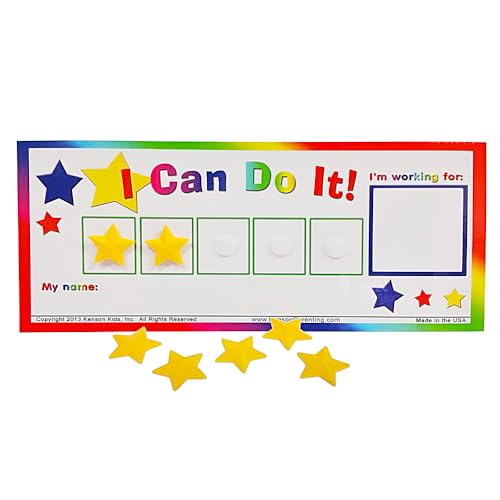
- Customizable token system for one goal at a time
- Includes 8 reusable stars and dry-erase compatibility
- Works with most autism picture programs
Best For: Kids ages 3-10 who need simple positive reinforcement
Communication Aid Pick

- 86 picture cards cover needs, feelings, and routines
- Rings and clip make it easy to carry anywhere
- Water-resistant laminated design supports daily use
Best For: Non-verbal kids and children who need portable communication support
Visual Routine Magnet Kit
SchKIDules 93-Pc Home Collection

- 72 activity magnets plus 21 headings
- No DIY printing or cutting needed
- Sized for use on magnetic surfaces
Best For: Flexible home routines, chores, and daily visual schedules
Communication Flip Cards
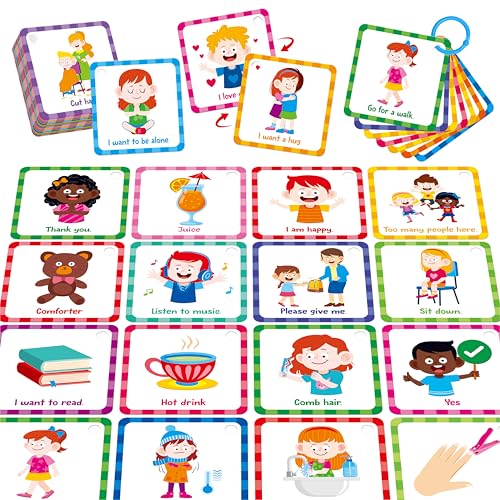
- 80 basic communication prompts on 40 cards
- Portable ring and pouch included
- Waterproof, tear-resistant cardstock
Best For: Portable communication practice and basic needs requests
Wall Routine Schedule Board
ALSLEA Blue Visual Chore Chart

- Large 27" x 9.5" hangable board
- 124 cards for routines and chores
- Foldable design for wall, door, or desk
Best For: A larger home or classroom visual schedule with more card choices
2-in-1 Timer Board
Rainbow Countdown Timer with Dry Erase Task Board
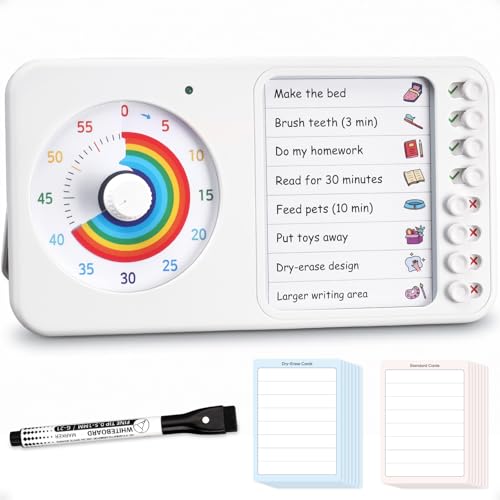
- Timer and chore chart in one
- Easy-to-see visual countdown
- Supports routines and transitions
Best For: Home, classroom, and homeschool routines
Large Felt Schedule Board
Double-Sided Weekly Planner with 109 Visual Cards

- 109 picture-and-word cards included
- Double-sided board with stand or wall use
- Built for routines, transitions, and communication
Best For: Large, customizable schedules for kids
Magnetic Reward Cards
95-Piece Magnetic Routine Cards for Kids

- 95 laminated magnetic cards
- Colorful themes with large text
- Good for chores and visual routines
Best For: Rearrangeable daily routines and responsibility charts
Sensory Play Pick – Montessori Sensory Busy Board – Large Wooden Fidget Activity Board
If you’re shopping for a choice board for autistic child use, this large wooden busy board offers a hands-on way to keep little fingers engaged while supporting early developmental skills. With 18-in-1 activities, natural wood construction, and a calming design, it’s built for sensory play at home or on the go.
Best For: Toddlers who benefit from sensory exploration, fine-motor practice, and a soothing, screen-free activity board.
Pros:
- 18-in-1 activity layout gives children lots of tactile ways to explore.
- Natural wood, non-toxic, paint-free build is hand-polished for safety and comfort.
- Includes a music box with the tune “Jingle Bells” for added sensory interest.
- Calming natural colors may feel especially gentle for children with autism.
Cons:
- Manual-only design means there are no electronic features or sound controls.
- Larger size and 3.6-pound weight make it less portable than card-based tools.
- Best suited to toddlers and young children rather than older kids.
Overall, this is a solid sensory toy choice if you want a more interactive, physical option than a paper-based schedule or communication set. It focuses on touch, exploration, and basic motor practice in a durable wooden format.
Routine Support Pick – First Then Visual Schedule Board
A practical choice board for autistic child routines, this visual schedule keeps the day simple by showing now, next, and later. The board uses clear picture communication symbols to make transitions easier and to help children stay focused without being overloaded.
Best For: Children who do best with predictable routines, visual transitions, and a low-stress way to understand what happens next.
Pros:
- Simple now-next-later layout helps reduce uncertainty.
- Includes 32 genuine PCS communication cards, already familiar to many children from school or therapy.
- Durable plastic board is waterproof, easy to clean, and designed for long-term use.
- Compatible with PECS cards and built for children with ASD/ADHD.
Cons:
- Only shows three steps at a time, so it is not meant for detailed planning.
- Contains small parts, so it is not suitable for children under 36 months.
- Focused on routine support rather than play or sensory stimulation.
This board is especially useful when a child needs structure more than toys or rewards. It’s a straightforward, durable visual aid for home, classroom, or therapy use.
Reward System Pick – “I Can Do It!” Token Board
If you want a choice board for autistic child behavior support, this token board turns goals into a simple reward system. It’s designed to motivate specific tasks with reusable stars and a customizable goal box, making it easy to reinforce one behavior at a time.
Best For: Kids ages 3-10 who respond well to token rewards for chores, routines, homework, or other specific goals.
Pros:
- Flexible enough for short-term and long-term goals.
- Customizable board works with dry erase markers and most autism picture programs.
- Includes 8 reusable plastic stars for repeated use.
- Compact, lightweight laminated design is simple to set up.
Cons:
- Only tracks one chore or goal at a time.
- Smaller format may not suit children who need larger visuals.
- Works best when an adult is available to manage the reward routine.
As a behavior-focused tool, this is a good fit when you want clear reinforcement instead of a full communication system. It’s straightforward, customizable, and easy to adapt to daily routines.
Communication Aid Pick – 86-Card Visual Speech Set
For families looking for a choice board for autistic child communication support, this 86-card set offers a portable way to help children express needs, feelings, and routines. The visual cards are grouped for everyday use and made to travel easily from home to school or therapy.
Best For: Non-verbal children, children with speech delays, and kids who need a portable visual communication tool.
Pros:
- 86 cards cover interaction, behavior, and routine situations.
- Ring-and-clip format makes the set easy to carry on backpacks or belt loops.
- Water-resistant laminated paper helps the cards hold up to daily use.
- Clear picture-based design supports speech therapy and special-needs communication.
Cons:
- Cardstock construction is not as rigid as plastic boards.
- More of a communication aid than a routine board or reward system.
- May require adult guidance when introducing new symbols.
This set stands out if your main goal is practical communication rather than scheduling or behavior tracking. It’s a flexible, on-the-go option for helping children express themselves more independently.
Visual Routine Magnet Kit – SchKIDules 93-Pc Home Collection
If you want a choice board for autistic child support that is simple to set up and easy to change, this magnet set gives you a ready-made visual schedule. It includes 72 activity icons plus 21 headings, so you can build routines for mornings, afternoons, chores, or full-day transitions on any magnetic surface.
Best For: Parents who want a flexible magnetic visual schedule for home routines, chores, and daily transitions.
Pros:
- Includes 72 colorful activity magnets and 21 headings for customizable schedules.
- No printing, cutting, or laminating required.
- Works on any magnetic surface, including a refrigerator.
- 2-inch squares are large enough to see clearly but still fit multiple activities in one layout.
Cons:
- Requires a magnetic surface to use.
- Focused on routines and activities rather than communication practice.
This is a practical pick if you want a straightforward visual system that can be assembled quickly and adjusted as your child’s day changes. It’s especially useful for families looking for a low-prep routine tool with clearly labeled icons.
Communication Flip Cards – Special Needs Visual Aid Set
For a choice board for autistic child communication support, these double-sided cards offer a portable way to practice basic needs, feelings, and daily requests. The set includes 80 illustrated communication prompts across 40 cards, making it useful for speech therapy, home practice, or use while traveling.
Best For: Children and adults who need a compact communication aid for expressing basic needs and practicing speech.
Pros:
- 40 double-sided cards provide 80 communication prompts.
- Includes a plastic ring and drawstring pouch for organization and portability.
- Clear illustrations and simple text help make cards easy to recognize.
- Thick cardstock with PET film is waterproof and tear-resistant.
Cons:
- Smaller format may not suit every child who needs larger visuals.
- Designed for basic communication needs rather than full daily scheduling.
This set works well when your priority is quick access to communication cues instead of a wall-mounted routine chart. The compact size and durable construction make it easy to keep in a therapy bag or take on the go.
Wall Routine Schedule Board – ALSLEA Blue Visual Chore Chart
This visual schedule for autistic child routines is built for families who want a larger, more structured board for home or classroom use. With 124 cards, including activity, title, arrow, blank, and star cards, it supports morning and evening routines, chores, and daily planning in one organized layout.
Best For: Families and classrooms that want a large hangable schedule board with lots of card options.
Pros:
- Large 27″ x 9.5″ board gives you plenty of space for routines.
- Includes 124 cards with activities, titles, arrows, blanks, and stars.
- Foldable, hangable design can be used vertically or horizontally.
- Clear storage bag helps keep cards organized and together.
Cons:
- Bulkier than small card-only sets.
- Best suited for wall, door, or desk placement rather than travel.
If you want a more complete routine board with room to build out a child’s day, this option offers strong structure and lots of customization. The hangable felt design makes it easy to display where the child can see it throughout the day.
2-in-1 Timer Board – Rainbow Countdown Timer with Dry Erase Task Board
If you want a choice board for autistic child routines that also handles timing, this 2-in-1 board keeps the schedule and countdown in one place. The dry erase surface lets you write chores, homework, or daily steps, while the visual timer makes time remaining easy to see at a glance.
Best For: Kids, parents, teachers, and homeschoolers who want one simple tool for visual schedules, task tracking, and transition support.
Pros:
- Combines a visual timer with a dry erase planning board and sliding checklist.
- Colorful countdown disk helps make time more visible and understandable.
- Designed to support ADHD, autism, special education, and routine management.
- Useful at home, in classrooms, and in homeschool settings.
Cons:
- Only one timer setting, so it is best for simple routine use rather than flexible timer modes.
- Works around written tasks, so it may not suit users who need picture cards only.
This is a practical pick if you want a straightforward visual structure that covers both timing and task completion. It is especially helpful when reducing reminders and making expectations clearer matters most.
Large Felt Schedule Board – Double-Sided Weekly Planner with 109 Visual Cards
This choice board for autistic child routines gives you a large, flexible layout with plenty of visual cards to build a day that makes sense. The double-sided felt board, weekly cards, and arrow pointer are designed to make activity changes easier to follow.
Best For: Families, preschoolers, and special education settings that need a large visual schedule with lots of card options.
Pros:
- Includes 109 cards with pictures, icons, and words for broad scheduling use.
- Double-sided felt board gives more room for custom planning.
- Can hang on the wall or stand on a table for flexible setup.
- Useful for routines, communication support, and visual transitions.
Cons:
- More pieces may take more time to sort and organize.
- Board format is best for visual users and may be less helpful for minimal setups.
For households or classrooms that want a fuller visual system, this board offers strong customization and plenty of activity cards. It is a good fit when your child benefits from seeing the whole day laid out clearly.
Magnetic Reward Cards – 95-Piece Magnetic Routine Cards for Kids
If you need a choice board for autistic child routines that is simple to update, these magnetic cards make daily planning more visual and more concrete. The themed set covers chores, health, hobbies, events, and other routine categories, with large fonts and colorful frames to help cards stand out.
Best For: Kids ages 3 and up who benefit from magnetic routine cards for daily tasks, responsibility charts, and visual communication.
Pros:
- Includes 95 laminated magnetic cards across several routine themes.
- Large fonts and colorful frames help with quick sorting and recognition.
- Personalized and extra functional cards add flexibility as routines change.
- Suitable for visual schedules, responsibility charts, and special needs support.
Cons:
- Cards are manual and rely on a compatible magnetic display surface.
- Cardboard construction may not feel as sturdy as plastic alternatives.
This set works well when you want a reusable, category-based system for everyday routines. It is a solid choice for families who want visual reminders that are easy to rearrange as the day changes.
How We Picked the Best Choice Board for Autistic Child
We prioritized products that are easy to understand, durable enough for repeated use, and flexible for different ages and support needs. For a Choice Board for Autistic Child use, clarity matters more than complexity, so we looked for strong visuals, simple layouts, and reusable formats.
We also considered card variety, board size, portability, and whether a product supports routines, communication, or behavior reinforcement. The best choices work at home, in the classroom, and during therapy sessions.
Quick Comparison
Some boards are best for visual routines, while others focus on communication or rewards. If the main goal is helping a child move through daily steps, a schedule board is usually the most useful. If the child needs help expressing needs or making selections, communication cards may be the better fit. Token boards and reward charts are strongest for motivation and task completion.
Key Buying Factors for a Choice Board for Autistic Child
Visual Simplicity
Choose boards with easy-to-read icons and minimal clutter. Too many images or crowded layouts can make it harder to process choices quickly.
Durability and Reusability
Look for laminated cards, thick plastic, magnetic pieces, or wipe-clean boards. These materials hold up better to daily handling and frequent changes.
Customization
A good Choice Board for Autistic Child support should adapt to the user’s routine. Boards with blank spaces, editable sections, or interchangeable icons are especially useful because needs can change from day to day.
Age and Setting
Match the product to the child’s age, communication level, and environment. A preschool routine board may not suit an older child, and a home chart may need different features than a classroom system.
Goal Type
Decide whether you need help with communication, transitions, behavior support, or daily planning. The right choice board should solve the most immediate need first, then offer room to grow.
Who Should Buy Which Choice Board for Autistic Child?
Families building simple morning or bedtime routines should lean toward visual schedule boards. Parents and therapists supporting nonverbal communication may prefer card-based systems. If the main challenge is follow-through on tasks, a token board or reward chart can be the most effective option.
For children who benefit from structure across multiple activities, a larger board with more icons can provide the most flexibility. For smaller spaces or travel use, a compact, easy-to-update format is often the better choice.