Choosing a social cues card game is an easy way to turn everyday moments into conversation practice. The best decks help kids read situations, think through responses, and build confidence.
Below, we’ve rounded up 10 options that work well for families, classrooms, travel, and therapy sessions, with a focus on age fit, card style, and skill-building value.
Best 10 Social Cues Card Game Picks for 2026
SEL Social Skills Deck
52 Essential Social Situations

- Covers real-world social scenarios and SEL topics
- Includes free online curriculum and facilitator guides
- Portable tin format for home, class, or travel
Best For: Adults teaching structured social skills practice to kids ages 8-12
Conversation Builder Game
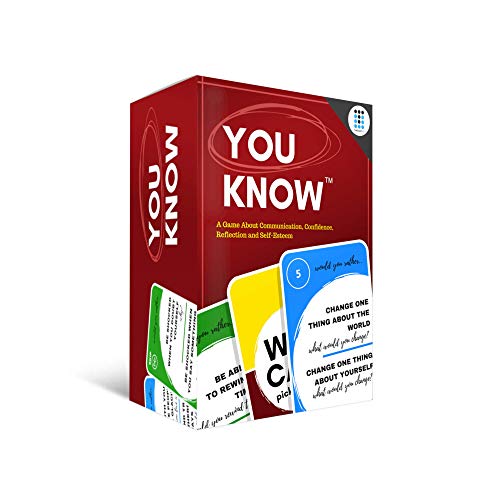
- Focuses on meaningful conversation and relationship building
- Supports self-esteem and positivity
- Includes 108 cards across a jumbo double deck
Best For: Icebreakers and guided group conversation for kids, teens, and adults
Empathy Flashcards

- Illustrated cards prompt discussion of social situations
- Builds empathy, observation, and emotional literacy
- Includes 50 cards plus 2 parent or educator cards
Best For: Adults teaching younger children how to interpret social and emotional cues
Kids Conversation Deck

- 150 prompts designed for kids’ creativity and storytelling
- Supports confidence-building and self-expression
- No prep needed for family, classroom, or travel use
Best For: Families and teachers wanting an easy, kid-friendly conversation starter deck
Young Kids Conversation Cards

- 48 illustrated cards with social situations and prompts
- Builds empathy, observation, and emotional literacy
- Good for home, classroom, and therapy settings
Best For: Adults guiding 3+ kids through simple social learning conversations
Tween and Teen Discussion Deck

- 52 counselor-created scenarios for middle schoolers
- Addresses gossip, bullying, stress, and peer pressure
- Includes online learning library and assessments
Best For: Families and educators helping 6th–8th graders navigate real-life social dilemmas
Portable Mindful Conversation Cards

- 70 cards across 4 color-coded conversation categories
- Compact, durable, and easy to take on the go
- Supports expression, listening, and social confidence
Best For: Parents, teachers, and group leaders wanting portable prompts for meaningful kid conversations
Kid-Friendly Social Skills Deck
Who What Why Social Skills Cards

- 60 animal-character scenarios with visual clues
- Supports empathy, communication, and critical thinking
- Useful for speech therapy and family conversations
Best For: Adults guiding kids ages 4+ through social-emotional learning
All-Purpose Conversation Starter Deck
Little Talk Family Conversation Deck

- 170 open-ended prompts across six categories
- Compact and travel-friendly for family use
- Built for SEL, ADHD support, and therapy settings
Best For: Families and educators wanting a versatile prompt deck for ages 4-12+
Structured Therapy Conversation Game

- 150 topics with activity, prompt, response, and topic cards
- Built by child psychologists for therapy and education
- Progressive difficulty supports diverse needs and confidence
Best For: Counselors, therapists, and families with kids and teens
SEL Social Skills Deck – 52 Essential Social Situations
If you want a social cues card game that feels practical for real-life use, this deck focuses on age-appropriate scenarios kids actually run into at home, in class, and with friends. The cards are organized by difficulty and SEL topic, and the included online curriculum adds scripts, talking points, and follow-up questions to help adults guide the conversation.
Best For: Parents, teachers, counselors, and therapists who want structured social skills practice for kids ages 8-12.
Pros:
- Covers social expectations, frustration, disappointment, teamwork, peer pressure, conflict, and bullying.
- Includes free online curriculum with facilitator guides, discussion prompts, and response scripts.
- Aligned with social emotional standards and includes skills assessment tools.
- Portable tin case makes it easy to use at home, in the classroom, or on the go.
Cons:
- Best suited to guided discussion rather than independent play.
- Focused on school-age kids, so it is less flexible for younger children.
This is a strong choice if you want a structured deck that blends conversation practice with clear SEL support. The practical format and added teaching materials make it especially useful for adults leading small-group or one-on-one sessions.
Conversation Builder Game – You Know Social Skills Games
For a social cues card game built around conversation and rapport, this double-deck set is designed to open up meaningful discussion in family, classroom, and therapy settings. The prompts focus on self-esteem, positivity, and reflection, making it a simple way to get players talking and learning about one another.
Best For: Icebreakers, relationship-building, and guided social skills practice for ages 7+.
Pros:
- Designed for meaningful conversations that encourage reflection on strengths and weaknesses.
- Supports self-esteem and positivity with thought-provoking prompts.
- Works well in family game night, small groups, and therapy settings.
- Includes a jumbo double deck with 108 cards total.
Cons:
- Conversation-based format may not suit players looking for a competitive game.
- Requires at least two players, so it is not a solo activity.
This deck is a good fit if your main goal is to build communication in a low-pressure setting. It is especially useful when you want an easy icebreaker that still supports social-emotional growth.
Empathy Flashcards – eeBoo What's Going on Here
This social cues card game uses friendly illustrations and guided questions to help kids read emotional dynamics and hidden context. It is a practical pick for adults who want a simple flashcard format that supports empathy, observation, and social-emotional learning at home or in the classroom.
Best For: Young children who need support understanding social situations, emotions, and contextual clues.
Pros:
- Each card includes an illustration plus questions that prompt thoughtful discussion.
- Builds empathy, observational skills, and social and emotional literacy.
- Includes 50 cards, plus 2 parent or educator cards.
- Made with recycled, FSC-certified materials and vegetable-based ink.
Cons:
- Best for guided discussion rather than fast-paced play.
- More focused on interpretation and empathy than direct roleplay practice.
This deck stands out if you want a gentle way to talk through social situations with younger kids. The visual format keeps it accessible, while the question prompts help adults turn each card into a learning moment.
Kids Conversation Deck – TALES 150 Conversation Cards
If you want a social cues card game that is easy to use in everyday settings, this kids edition focuses on conversation starters that build confidence, self-expression, and communication. The prompts are designed to feel natural at dinners, on road trips, in classrooms, or during family game nights, with no prep required.
Best For: Families and classrooms looking for a simple, kid-friendly conversation deck with lots of prompts.
Pros:
- Includes 150 kid-friendly prompts built to spark creativity and storytelling.
- Supports confidence-building, self-expression, and social interaction.
- No instructions or prep needed; just pull a card and talk.
- Compact, durable box makes it easy to travel with or store.
Cons:
- Conversation focus is broader than a dedicated social skills or therapy tool.
- Uses a two-player format in the product details, so it may be less ideal for larger groups as a standalone activity.
This is a straightforward option if you mainly want more talking, more connection, and less setup. It is especially appealing for parents who want an easy deck that fits naturally into daily routines.
Young Kids Conversation Cards – eeBoo What Do I Do
This social cues card game uses 48 illustrated flashcards to help young children read everyday situations, notice emotional dynamics, and talk through what might happen next. It’s a practical pick if you want a simple, guided way to build empathy, observation skills, and social-emotional language at home or in the classroom.
Best For: Parents, teachers, counselors, and therapists looking for an age-3+ social cues card game that encourages conversation and empathy.
Pros:
- 48-card set with illustrated social situations and prompt questions
- Supports empathy, observational skills, and emotional literacy
- Works well for home, classroom, speech, and behavior therapy use
- Made with recycled/FSC-certified materials and vegetable-based ink
Cons:
- Best suited to guided discussion rather than independent gameplay
- Designed for younger children, so older kids may outgrow the content quickly
Overall, eeBoo’s set is a thoughtful learning tool if your main goal is to talk through social cues in a low-pressure format. The illustrations and questions make it easy to start meaningful conversations without needing a complicated rule set.
Tween and Teen Discussion Deck – 52 Essential Social Dilemmas
If you need a social cues card game for tweens and teens, this 52-card deck focuses on the kinds of dilemmas that show up in middle school. It’s built around discussion, problem solving, and confidence-building around friendship issues, peer pressure, gossip, bullying, and team dynamics.
Best For: Middle school students, families, and counselors looking for a discussion deck that addresses real tween and teen social situations.
Pros:
- Created by counselors to spark conversations about common middle school issues
- Covers friendships, gossip, bullying, stress, peer pressure, and teamwork
- Can be used for family talks, classroom icebreakers, counseling, and journaling
- Includes online learning library and assessments for added support
Cons:
- Best suited to 6th–8th grade, so it’s less useful for younger children
- Requires discussion to get the full benefit; it’s not a fast-paced party game
This is a strong pick if your priority is giving older kids realistic prompts they can actually relate to. The scenarios are practical and structured to help kids talk through choices, feelings, and consequences.
Portable Mindful Conversation Cards – 70 Mindful Talk Cards
This social cues card game is a compact 70-card conversation set designed to get kids talking about emotions, mindfulness, inquiry, and expression. It’s a versatile option for classrooms, road trips, and family time when you want a lightweight prompt deck that supports communication and social skills.
Best For: Parents and teachers who want a portable, category-based conversation deck for encouraging expression and listening.
Pros:
- 70 question cards with 4 color-coded categories: emotions, inquiry, mindfulness, and expression
- Compact size makes it easy to pack for trips, school, or therapy sessions
- Thick cardstock with PET film for waterproof, tear-resistant durability
- Supports expression, vocabulary, listening, empathy, and social confidence
Cons:
- Conversation-based format may feel too simple for kids wanting a more game-like experience
- Focuses on guided discussion rather than competitive play
As a flexible social cues card game, this set stands out for portability and clear category structure. It’s a solid choice when you want easy-to-use prompts that can work in more than one setting.
Kid-Friendly Social Skills Deck – Who What Why Social Skills Cards
If you want a social cues card game that helps kids notice emotions, actions, and context, Who What Why uses animal-character scenes and guided questions to spark conversation. It’s built for children ages 4+ and works well for practicing empathy, observation, and critical thinking in a low-pressure format.
Best For: Parents, teachers, counselors, and therapists looking for an easy conversation starter for ages 4+.
Pros:
- Uses 60 relatable real-life scenarios with friendly animal characters.
- Promotes emotional intelligence, empathy, and communication skills.
- Includes visual clues that encourage observation and analysis.
- Useful for speech therapy, sequencing practice, and family discussions.
Cons:
- Designed for guided play, so it works best with an adult facilitator.
- Limited to a smaller card set than larger prompt decks.
Overall, this deck is a practical pick when you want a focused social cues card game that turns simple scenes into meaningful discussion. It’s especially appealing if you need a kid-friendly tool that supports both learning and conversation.
All-Purpose Conversation Starter Deck – Little Talk Family Conversation Deck
Little Talk is a social cues card game built around open-ended conversation prompts that help kids share thoughts, feelings, and preferences. With 170 questions and a travel-friendly size, it’s a simple way to turn family time, car rides, or classroom moments into meaningful conversation.
Best For: Families, homeschoolers, and support settings that want a flexible conversation starter for kids ages 4-12+.
Pros:
- Offers 170 prompts across six categories, including emotional intelligence and self-expression.
- Compact deck is easy to pack for road trips, vacations, and on-the-go use.
- Designed with social-emotional learning, ADHD support, and therapy use in mind.
- Works well for family game nights, morning meetings, and homeschool activities.
Cons:
- Conversation-based format may feel less game-like for kids who prefer structured play.
- Best with an adult or group to keep the discussion going.
This deck is a strong option if you want a versatile social cues card game that can fit into daily routines. It stands out for its mix of practical portability and broad age range.
Structured Therapy Conversation Game – ThinkPsych Chat Chains
ThinkPsych Chat Chains is a social cues card game for kids and teens that focuses on conversation skills through 150 topics and a structured points system. With progressive difficulty, it’s designed to help players build confidence, share feelings, and practice social-emotional skills in a short 15-minute session.
Best For: Therapists, counselors, and families looking for a structured conversation game for ages 8-99.
Pros:
- Includes 150 conversation starters with activity, prompt, response, and topic cards.
- Created by child psychologists and used by therapists and educators.
- Supports kids with autism, ADHD, or social anxiety through progressive difficulty.
- Short 15-minute playtime makes it easy to fit into routines or sessions.
Cons:
- The structured format may appeal more to guided sessions than free-form play.
- Designed for eight players, so it may be less ideal for one-on-one use without adapting the format.
If you want a more therapist-oriented social cues card game, Chat Chains offers a clear structure and skill-building focus. It’s a practical choice for repeat use in counseling, classrooms, or family settings.
How We Picked These Social Cues Card Games
We looked for decks that do more than just ask questions. The strongest options for a Social Cues Card Game use realistic situations, clear prompts, and age-appropriate language to support social-emotional learning. We also favored products that can be used flexibly at home, in school, or in therapy.
Selection also came down to practical factors: range of ages, variety of scenarios, ease of use, and whether the cards encourage empathy, problem-solving, or conversation skills without feeling overly scripted.
Quick Comparison
Some decks are best for younger children who need simple social examples, while others are better for older kids and teens who can discuss more nuanced dilemmas. A few focus on open-ended conversation, while others are more structured and scenario-based.
If you want the most versatile Social Cues Card Game, look for one that balances relatable situations with enough depth to support repeated use. For classrooms or group settings, cards with broad prompts and easy-to-follow play patterns tend to work best.
Key Buying Factors for a Social Cues Card Game
Age Range and Reading Level
Choose a deck that matches the child’s developmental stage. Younger players benefit from simple images and direct prompts, while older kids usually need more layered situations and discussion starters.
Type of Skill Building
Some decks focus on empathy and perspective-taking, while others emphasize communication, emotional regulation, or decision-making. Pick the format that matches your goal.
Setting and Use Case
For family game night, choose cards that spark broad conversation. For therapy or classroom use, look for a Social Cues Card Game with scenario variety and prompts that support guided discussion.
Replay Value
The best decks stay useful over time. Look for enough cards, varied categories, and prompts that can be answered in different ways so the game doesn’t feel repetitive.
Who Should Buy Which Social Cues Card Game?
Families with younger children should lean toward decks with visual cues and simple everyday situations. Parents looking for dinner-table conversation starters may prefer open-ended prompt cards. Teachers and counselors often get the most value from decks built around realistic dilemmas and social problem-solving. For teens or mixed-age groups, choose a Social Cues Card Game with deeper discussion potential and flexible play options.
In short, the right choice depends on how structured you want the activity to be and whether your main goal is conversation, empathy, or practical social skill practice.