Finding the right emotion regulation card game can make difficult conversations feel safer, more engaging, and easier to repeat at home or in therapy.
Below, we focus on options that support coping skills, anger control, emotional intelligence, and age-appropriate social-emotional learning without turning practice into a chore.
Best 10 Emotion Regulation Card Game Picks for 2026
Therapist-Friendly Anger Practice

- 106-card revised edition with fresh dragon artwork
- Teaches emotional reflection and healthy anger expression
- Easy setup for home, classroom, or therapy use
Best For: Kids ages 6–12 needing a focused anger-control game
CBT Emotion Sorting Game

- Uses the ABCD CBT model to explore triggers and reactions
- Covers anger, sadness, worry, fear, and jealousy
- Semi-cooperative play supports social skills
Best For: 2–4 kids ages 6–12 learning CBT-based emotion control
Simple Calming Steps
Open The Joy Anger Management Cards

- Over 50 illustrated cards for calming practice
- Teaches a simple 4-step self-regulation routine
- Suitable for independent use or guided support
Best For: Ages 4+ needing a simple calming prompt deck
All-in-One Coping Toolkit
Mind Brain Emotion Cards for Kids

- Covers stress, anxiety, anger, and self-regulation
- Includes cards, videos, and an online assessment
- Portable tin case works for home or school
Best For: Families and educators wanting a broad coping-skills deck
Anger Management Play
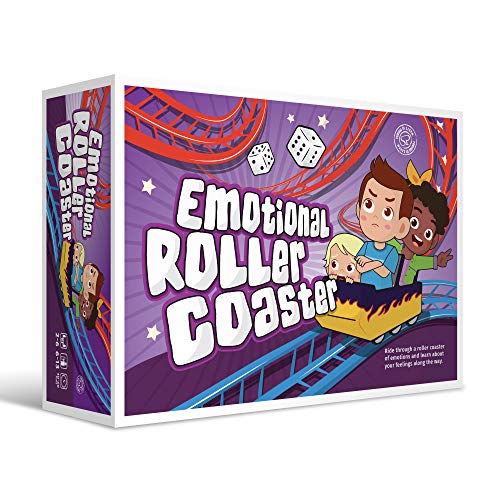
- Anger management game with mindfulness and breathing exercises
- Supports problem solving, self-expression, and self-regulation
- Designed for 2-6 players with cooperative, strategy-based play
Best For: Families and classrooms needing a structured anger-coping game
Therapy Conversation Game

- 200+ CBT-style prompts on happiness, anger, sadness, and fear
- Stacking blocks keep kids focused during emotional conversations
- Built for home, classroom, and counseling settings
Best For: Therapy-minded play and guided emotional conversations
Anger Skills Card Game

- Go Fish-style game for identifying emotions behind anger
- Helps connect feelings with coping skills and better responses
- Designed by a licensed therapist for family or counseling use
Best For: Quick, familiar anger-management practice for kids and teens
Active SEL Swat Game
Garybank Emotions Swat Games for Kids

- 56 emotion cards, 56 fly cards, and 4 swatters
- Emotion matching game builds vocabulary and reaction skills
- Includes coping strategies with each emotion card
Best For: Young kids who benefit from movement-based SEL practice
CBT-Style Skills Game

- Anger management and social skills focus
- 104 playing cards plus tip and instruction cards
- Works for home, school, therapy, or counseling
Best For: Groups that want guided emotional regulation practice
Scenario-Led Emotion Practice
Clever Fox Play Emotions & Feelings Rumble

- 36 scenarios with emotions, actions, and bonus cards
- Simple read-and-respond format for feelings practice
- Animal illustrations help keep kids engaged
Best For: Kids ages 6+ learning emotions through guided scenarios
Therapist-Friendly Anger Practice – Mad Dragon 2 for Kids 6–12
If you want an emotion regulation card game that turns anger-control practice into play, Mad Dragon 2 is built for kids ages 6–12. It focuses on emotional reflection, healthy expression, and self-control through a simple card-based format that works well at home, in classrooms, or in therapy.
Best For: Kids, parents, teachers, and therapists who want a durable SEL game for anger control and emotional expression.
Pros:
- Therapist favorite since 2012, now updated with revised visuals and prompts
- Includes 106 cards with dragon-themed scenarios that support discussion and growth
- Quick to learn and easy to use for individual, group, or classroom play
- Durable cardstock and portable box make it practical for repeated use
Cons:
- Designed specifically around anger control, so it is less broad than some coping-skill decks
- Best suited to ages 6–12 rather than preschoolers or older teens
Overall, this is a strong choice if your main goal is a focused anger-management tool wrapped in a game kids can actually stay engaged with. It offers a good balance of structure, portability, and professional-friendly design.
CBT Emotion Sorting Game – Don't Go Bananas for Kids
For families or professionals looking for an emotion regulation card game with a CBT angle, Don’t Go Bananas gives kids a structured way to think through strong feelings. It uses question prompts and semi-cooperative play to help children identify triggers, reactions, and better thought patterns while practicing social skills.
Best For: Parents, teachers, and therapists who want a CBT-based game for 2–4 kids working on emotion control and social skills.
Pros:
- Built around the ABCD model of cognitive behavioral therapy
- Works through five emotions: anger, sadness, worry, fear, and jealousy
- Semi-cooperative gameplay encourages players to help each other build piles
- Flexible question prompts can be adjusted for easier or harder play
Cons:
- Requires adult guidance for best results, especially with younger players
- Limited to 2–4 players, so it is not ideal for larger groups
This is a practical pick if you want a game that connects emotional awareness with thinking skills, not just coping tips. The CBT structure gives it more depth, while the cooperative element keeps the experience approachable for kids.
Simple Calming Steps – Open The Joy Anger Management Cards
If you need an emotion regulation card game that is especially easy for younger kids to use, Open The Joy Anger Management Cards keeps the process simple. The deck uses illustrated prompts and a four-step self-regulation routine to help children calm their body and mind, shift focus, and take a break.
Best For: Kids ages 4+ who need straightforward calming prompts for home, classroom, or calm-down corners.
Pros:
- Designed by child development experts for anger, frustration, and anxiety support
- Easy 4-step process makes self-regulation simple to follow
- Over 50 colorful illustrated cards help keep kids engaged
- Works well for independent use, classrooms, counseling, or home learning
Cons:
- More of a prompt deck than a full board-style game
- Age range and product details are a bit mixed in the listing
This option is best if you want a straightforward, kid-friendly tool that teaches calming habits without a lot of setup. Its strength is accessibility: children can use the cards independently once they know the routine.
All-in-One Coping Toolkit – Mind Brain Emotion Cards for Kids
For shoppers who want an emotion regulation card game with broader coping coverage, Mind Brain Emotion offers a versatile toolkit. These CBT-style cards cover stress, anxiety, anger, executive functioning, and resilience, with added videos and an online assessment to extend the learning beyond the deck.
Best For: Kids, families, and school or therapy settings that want a sturdy coping-skills resource with multiple formats.
Pros:
- Covers a wide range of coping skills including anger, fear, anxiety, and self-soothing
- Includes cards plus videos and an online assessment for added support
- Portable tin case makes it easy to store and use in different settings
- Built for home, classroom, therapist office, and counseling use
Cons:
- More of a coping-skills toolkit than a single-purpose anger game
- Best suited to families who will use the extra digital resources, not just the cards
This is a strong option if you want one deck that stretches beyond anger management into broader emotional and executive-function support. The mix of cards and digital extras makes it especially useful for structured practice over time.
Anger Management Play – Emotional Rollercoaster
If you want an emotion regulation card game that turns big feelings into a hands-on learning activity, Emotional Rollercoaster is built around anger management, coping, and self-regulation. It uses movement, strategy, and cooperative play to help kids practice mindfulness, breathing, problem solving, and self-expression in a simple family-game format.
Best For: Families, classrooms, and therapy settings looking for a kid-friendly anger management game with coping practice.
Pros:
- Teaches coping strategies, mindfulness, and breathing exercises in play.
- Supports problem solving, self-expression, and self-regulation.
- Works for 2-6 players, making it flexible for home or group use.
- Includes a printed rulebook and is designed for indoor play.
Cons:
- Focused specifically on anger management rather than a broad feelings range.
- Uses paper components, so it may not feel as durable as block-based games.
- Contains small parts and is not ideal for very young children.
Overall, this is a practical social-emotional learning game for kids who need structured practice with calming skills. It is especially useful when you want a guided, cooperative activity that makes emotional regulation feel approachable.
Therapy Conversation Game – Feelings Tower
Feelings Tower is an emotion regulation card game and stacking activity that blends conversation prompts with hands-on play. With more than 200 CBT-based questions, it gives kids and teens a guided way to talk through happiness, anger, sadness, and fear while building self-awareness and communication skills.
Best For: Parents, therapists, counselors, and educators who want a conversation-driven SEL game for kids and teens.
Pros:
- Includes 200+ CBT-based prompts across four core emotions.
- Combines stacking play with guided emotional conversation.
- Supports self-awareness, empathy, communication, and confidence.
- Designed for home, classroom, or counseling use.
Cons:
- Only supports 2 players, so it is less suited to larger groups.
- More of a therapy-style activity than a fast-paced party game.
- Best for structured discussion rather than casual free play.
This is a strong pick when you want a play-based tool that encourages kids to open up while staying engaged. It bridges educational play and therapeutic conversation in a compact format that fits many SEL settings.
Anger Skills Card Game – Behind The Anger
Behind The Anger is a simple emotion regulation card game built around a Go Fish format, making it easy to use with kids and teens. It helps players identify what is behind anger, match emotions with coping skills, and practice healthier responses in a quick, therapist-designed activity.
Best For: Families and school or counseling professionals who want a fast anger management card game with a familiar format.
Pros:
- Uses a familiar Go Fish style that is easy to learn and play.
- Helps kids connect emotions behind anger with coping strategies.
- Designed by a licensed therapist for family, school, and counseling use.
- Supports emotional awareness, communication, and impulse control.
Cons:
- Limited to 2 players, so it is not built for larger groups.
- Focuses mainly on anger rather than a wide range of emotions.
- Its simple card-game structure may feel brief for older players.
If you want a straightforward emotional learning tool, this game keeps the format simple while still targeting useful coping skills. It is a good fit for short, focused sessions where you want children to talk about anger in a safe, guided way.
Active SEL Swat Game – Garybank Emotions Swat Games for Kids
If you want an emotion regulation card game that feels active instead of sedentary, this swat-style set turns feelings practice into a fast matching challenge. Kids hear an emotion, find the matching fly card, and use a swatter to react quickly while building feelings vocabulary, social-emotional awareness, and hand-eye coordination.
Best For: Preschool and early elementary kids who learn best through movement-based SEL play at home, in classrooms, or with counselors.
Pros:
- Includes 56 emotion cards, 56 fly cards, and 4 swatters for up to 4 players.
- Uses real-life faces and emoticon-coded matching to reinforce emotion recognition.
- Supports social skills, anger management, and interactive play-based learning.
- Each emotion card includes explanations and coping strategies for guided discussion.
Cons:
- Best suited to active, call-and-swat gameplay rather than quiet table play.
- The paper-and-plastic build may feel more classroom game than premium therapy deck.
- Designed for younger kids, so older players may outgrow the matching format quickly.
This is a strong pick if you want a lively emotional regulation card game that keeps children engaged through motion and repetition. It blends learning and play well for social-emotional sessions, family nights, and therapy-style activities.
CBT-Style Skills Game – Thought-Spot Mad Smartz
Thought-Spot Mad Smartz is an emotion regulation card game built around social skills practice, anger management, and CBT-style reflection. With familiar, Uno-inspired play and tip cards that prompt discussion, it works well for families, therapists, teachers, and counselors who want a structured way to talk through feelings and choices.
Best For: Kids, teens, and support adults looking for a discussion-based game for emotional regulation, social skills, and impulse control.
Pros:
- Addresses anger management, empathy, social skills, and emotional regulation.
- Includes 104 playing cards plus instruction and tip cards for guided play.
- Useful in home, school, counseling, and therapy settings.
- Designed to support ADHD and autism-related skill building.
Cons:
- Relies on reading questions and talking through responses, so it is less action-oriented.
- Most useful in group settings of two or more players.
- Its discussion focus may feel more structured than free-form game play for some kids.
This is a practical choice if you want a card game that doubles as a therapeutic conversation tool. It is especially appealing when the goal is to practice decision-making, emotional control, and communication rather than just win rounds.
Scenario-Led Emotion Practice – Clever Fox Play Emotions & Feelings Rumble
Clever Fox Play Emotions & Feelings Rumble is an emotion regulation card game that uses scenarios, emotions, actions, and bonus cards to help kids talk through real-life situations. The format is straightforward: read a scenario, identify feelings, and choose ways to manage them, making it a good fit for family play or therapy-style learning.
Best For: Kids ages 6+ who need a simple, scenario-based way to build emotional intelligence, problem solving, and communication.
Pros:
- Includes 36 scenario cards, 42 emotions, 36 actions, and 30 bonus cards.
- Colorful animal illustrations make the learning cards more inviting for children.
- Supports emotional intelligence, empathy, confidence, and problem-solving skills.
- Easy-to-follow gameplay works well for parents, teachers, counselors, and behavior therapists.
Cons:
- Best for players who are comfortable discussing scenarios and feelings.
- Card-based format is more reflective than physically active play.
- Focuses on guided learning, so it may feel repetitive if used too often without variation.
For families and professionals who want a clear, structured way to teach emotions, this set is easy to use and easy to explain. It stands out for combining real-world scenarios with practical action choices in a compact card game.
How We Picked the Best Emotion Regulation Card Game
We looked for games that make emotional learning practical: clear prompts, age-appropriate language, repeatable play, and a useful blend of conversation, coping, and behavior coaching. We also favored options that work for more than one setting, including home, counseling, classrooms, and group activities.
Quick Comparison
Some choices lean more toward anger management, while others emphasize coping skills, mindfulness, or broader social-emotional learning. If you want a focused Emotion Regulation Card Game, pick one with direct prompts and guided discussion. If you want broader skill-building, choose sets that mix feelings recognition, impulse control, and problem-solving.
Key Buying Factors for Emotion Regulation Card Game
Age Range and Reading Level
Match the language to the child’s developmental stage. Younger kids usually need simpler prompts, pictures, and adult-led play, while older kids and teens can handle more reflective questions and scenario-based cards.
Skill Focus
Decide whether you need help with anger management, anxiety coping, executive functioning, communication, or general feelings awareness. A narrower goal often leads to better results than a broad, catch-all game.
Format and Engagement
Card-only games are easy to bring anywhere and replay often. Board or stacking formats may feel more interactive for some kids, especially those who need movement or a tactile element to stay engaged.
Therapy and Home Use
If the game will be used in counseling, look for flexible prompts that can support open-ended discussion. For families, choose something simple enough to use consistently during short practice sessions.
Support for Practice, Not Just Play
The best games do more than entertain. They help kids name feelings, pause before reacting, choose coping tools, and rehearse healthier responses in low-pressure situations.
Who Should Buy Which Emotion Regulation Card Game?
For kids who struggle mainly with anger, choose a game centered on calming down and response control. For children with anxiety or stress, pick a set with coping strategies and mindfulness prompts. For teens or mixed-age families, look for more thoughtful discussion cards and scenarios that feel age-appropriate without being childish.
In short, the best Emotion Regulation Card Game is the one your child will actually use often enough to build confidence, language, and repeatable coping habits.