Choosing the right memory game can make practice feel playful instead of frustrating. The best options are simple to understand, easy to repeat, and engaging without being overwhelming.
Below, you’ll find 10 picks designed to support matching, attention, and turn-taking while keeping sensory needs in mind.
Best 10 Working Memory Games for Autistic Children Picks for 2026
Calm Hands-On Match Game
Animal Memory Cards for Toddlers

- 36 wooden cards with colorful animal pairs
- Montessori-style design for memory and concentration
- Durable, water-resistant pieces with carry pouch
Best For: young children who need a tactile, visual matching activity
Interactive Sequence Trainer
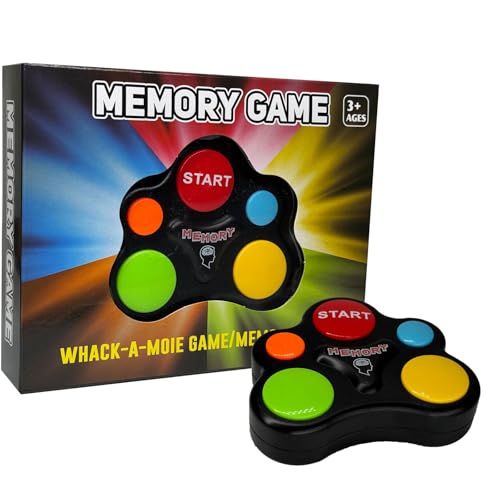
- Follows illuminated light-and-sound sequences
- Includes multiple modes and challenge levels
- Compact handheld format for travel or solo play
Best For: children who like quick, interactive memory challenges
Structured Sort-and-Match Toy

- Wooden boards and 30 shape pieces for matching
- Supports sorting, dexterity, and pattern recognition
- Smooth, colorful pieces for sensory-friendly play
Best For: young children who prefer simple, repetitive matching activities
Classic Picture Memory Game
Ravensburger Junior Memory Game

- 32 pairs of vivid everyday-item images
- Easy instructions and quick setup
- Supports memory, focus, and picture recognition
Best For: kids who do well with simple, recognizable card-based games
Animal Memory Match
Real Animal Matching Cards for Toddlers

- 36 pairs for repeated matching practice
- Real animal images support visual focus
- Blank backs add a simple creative option
Best For: Kids who like picture cards and calm, hands-on matching games
Light Pattern Memory Game
Pocket Electronic Repeat Colors Toy
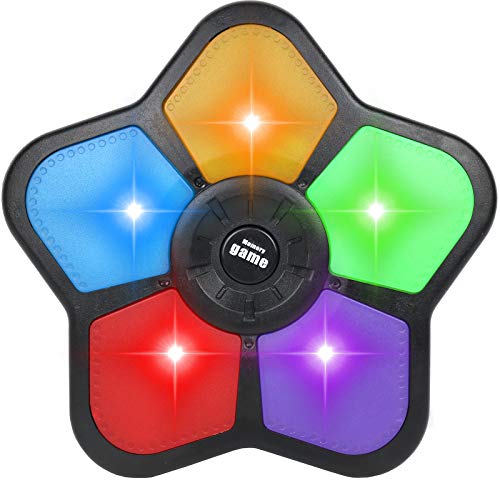
- Watch lights, then repeat the color pattern
- Features sound effects for added feedback
- Small handheld size with batteries included
Best For: Kids who enjoy short electronic memory challenges with lights and sounds
Daily Object Match

- 36 everyday-item designs for matching practice
- Blank backs let kids create new card games
- Thickened cards with smooth edges
Best For: Kids who do best with familiar pictures and simple matching tasks
Toddler Animal Match Pick
Baby Animals Matching Memory Game

- 26 pairs for repeated recall practice
- Simple, frustration-free gameplay for ages 3+
- Durable tiles for home, school, or daycare use
Best For: Preschoolers who enjoy animal pictures and easy matching play
Travel-Friendly Flip Board

- 12 themed matching activities in one set
- Portable board size for travel and quiet play
- Wood and plastic build with rounded corners
Best For: Kids ages 3-8 who need a compact memory game for trips
Everyday Object Match Set
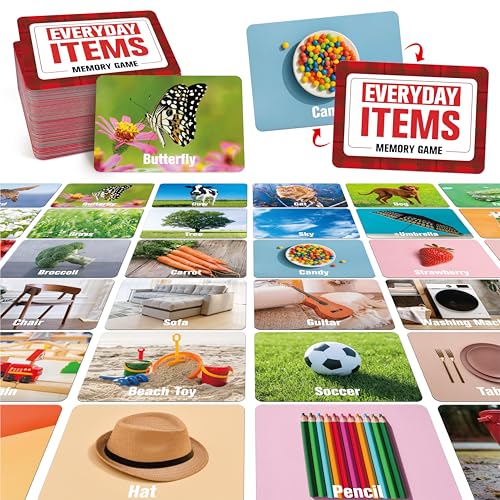
- 40 pairs for extended matching practice
- Familiar everyday objects support concrete learning
- Smooth, rounded cards for kid-friendly handling
Best For: Preschoolers who like simple picture matching with familiar objects
Calm Hands-On Match Game – Animal Memory Cards for Toddlers
If you’re comparing working memory games for autistic children, this wooden matching set is a simple, hands-on option that keeps the activity visual and structured. The 36-card format uses colorful animal illustrations and different background colors to support recall, matching, and early verbal practice in a calm, screen-free way.
Best For: Toddlers and preschoolers who do best with tactile, picture-based matching games that can be played at their own pace.
Pros:
- Thick wooden cards are easy for small hands to hold and flip.
- Colorful animal images and varied backgrounds help make pairs easier to remember.
- Montessori-inspired design supports memory, concentration, and cognitive thinking.
- Wooden build is tear- and water-resistant for repeated use.
Cons:
- Only offers a traditional matching-card format, so it may feel less interactive than electronic toys.
- Best suited to younger children rather than older kids needing advanced memory challenges.
This is a practical pick if you want a durable, low-pressure memory game that can also support first-words practice. It works well for solo play, family play, or small group activities.
Interactive Sequence Trainer – Light-Up Reaction Trainer
Light & Sound Memory Game – Interactive Electronic Toy for Focus & Reaction Training
Check Price On AmazonFor families looking at working memory games for autistic children, this light-and-sound memory toy adds a more interactive format than card matching. The game asks players to follow illuminated sequences that get faster over time, which can help keep attention focused while practicing short-term memory and hand-eye coordination.
Best For: Kids who enjoy fast, button-based challenges and respond well to visual and audio cues.
Pros:
- Light and sound sequences create a clear, repeatable play pattern.
- Multiple modes and levels help the game stay challenging over time.
- Compact handheld size makes it easy to travel with.
- Can be used for solo practice or group play.
Cons:
- Battery-powered design means you’ll need to keep batteries available.
- Audio and flashing lights may be too stimulating for some children.
This is a good choice if you want a more active memory challenge than a basic board game. It fits best when a child likes quick feedback, simple controls, and repeatable rounds.
Structured Sort-and-Match Toy – Wooden Shape Sorter Set
If you’re shopping for working memory games for autistic children, this wooden shape-sorting set offers a very structured, hands-on activity with clear visual goals. The board-and-block format focuses on shape recognition, color recognition, sorting, and fine motor practice, which can make it a useful early learning toy for children who prefer straightforward tasks.
Best For: Toddlers and preschoolers who benefit from repetitive sorting and matching play with simple, visible outcomes.
Pros:
- Includes multiple shape puzzles, including flower, square, circle, triangle, star, and hexagon.
- Supports hand-eye coordination, dexterity, and pattern recognition.
- Wooden pieces have smooth edges and bright colors that are easy to engage with.
- Can be used by more than one child for parent-child or group play.
Cons:
- It is a shape-sorting puzzle, not a true memory card game.
- Best suited to younger children and very early developmental stages.
This set makes sense if you want a calm sensory toy with clear, repeatable actions rather than a fast-paced memory challenge. It’s especially useful for children who enjoy matching blocks to boards and building confidence through success.
Classic Picture Memory Game – Ravensburger Junior Memory Game
Among working memory games for autistic children, this picture-matching set is a straightforward classic with easy-to-recognize everyday images and simple rules. With 32 pairs and a compact box format, it’s built for short, manageable play sessions that focus on memory, matching, and picture recognition.
Best For: Families who want a familiar card game with clear visuals and easy setup.
Pros:
- 32 vivid image pairs use everyday items children can recognize easily.
- Simple instructions make it quick to learn and start playing.
- Supports memory, focus, and matching skills.
- Can be played by 2 to 8 players for flexible group size.
Cons:
- Cardboard cards may not be as durable as wooden alternatives.
- Less tactile than chunky or three-dimensional toy options.
This is a solid choice if you want a traditional memory game from a trusted brand with clear artwork and easy rules. It’s especially practical for children who do well with familiar picture cues and short rounds.
Animal Memory Match – Real Animal Matching Cards for Toddlers
If you want working memory games for autistic children that feel simple, visual, and engaging, this animal matching set is a practical pick. The 36 pairs of real animal cards give kids a clear matching task, while the blank-backed cards add a flexible way to create new play patterns or draw your own designs.
Best For: Young children who do well with picture-based matching, short play sessions, and a familiar animal theme.
Pros:
- 72 thickened cards with 36 matching pairs for repeated practice
- Real animal pictures can help keep attention on a clear visual target
- Double-sided cards allow both matching and custom drawing play
- Rounded edges and non-toxic plant ink support child-friendly use
Cons:
- No built-in sound, lights, or other electronic feedback
- Cards are a simple manual activity, so adult guidance may help at first
This set works well as a straightforward memory activity when you want low-fuss play with strong visual cues. It is especially useful for families looking for an animal-themed option that supports focus, matching, and early cognitive skills.
Light Pattern Memory Game – Pocket Electronic Repeat Colors Toy
For working memory games for autistic children that use lights, sound, and a clear repeat-the-pattern format, this pocket-sized electronic toy is a compact option. Kids watch the colored lights, remember the sequence, and repeat it, which gives the game a simple structure that is easy to understand and practice.
Best For: Children who respond well to short electronic pattern games with immediate visual and sound feedback.
Pros:
- Light-and-sound play gives clear feedback during each round
- Repeat-the-color gameplay directly practices memory recall
- Handheld size makes it easy to carry and use indoors
- Includes 2 AA batteries, so it is ready to try out
Cons:
- Only supports one player at a time
- Requires batteries, so it is less low-tech than card games
This is a good choice if you want a quick memory challenge with a stronger sensory element than a traditional card set. Its small size and simple sequence format make it easy to use for short practice sessions or travel.
Daily Object Match – Everyday Items Memory Cards
If you are comparing working memory games for autistic children, this daily-items card set offers a clear, everyday theme that can feel easy to recognize and sort. With 36 designs and double-sided cards, it supports matching practice while also letting kids draw their own ideas on the blank side.
Best For: Children who benefit from familiar picture categories and simple, hands-on memory play.
Pros:
- 36 everyday-item designs make the picture set easy to relate to
- Thickened cards and rounded edges are designed for small hands
- Double-sided format adds flexibility for custom play
- Good for matching, focus, and basic logical thinking practice
Cons:
- No electronic features for kids who prefer lights or sounds
- Best suited to simple matching rather than more complex game modes
This set is a solid everyday option when you want something educational without being overstimulating. The familiar object theme can make it easier to start a game, stay engaged, and build confidence through successful matches.
Toddler Animal Match Pick – Baby Animals Matching Memory Game
If you’re looking for working memory games for autistic children, this animal matching set keeps play simple, visual, and low-pressure. The chunky tile format and familiar baby animal theme make it easy to understand, while the quick matching format supports recall, focus, and visual recognition in short play sessions.
Best For: Preschoolers who do well with simple picture matching, animal themes, and solo or small-group play.
Pros:
- 26 pairs give kids repeated chances to practice recall and recognition.
- Easy-to-learn gameplay makes it a good first memory game for ages 3+.
- Thick cardboard tiles are built for repeated play at home, school, or daycare.
- Supports solo play or group play with friends and family.
Cons:
- Uses a classic matching format, so it may feel basic for older children.
- Animal theme may be less motivating for kids who prefer other subjects.
This is a straightforward memory game that focuses on hands-on matching rather than complex rules, which can be helpful when you want a calm and predictable activity. It’s a practical pick for early concentration practice and simple cognitive development.
Travel-Friendly Flip Board – Vinlon Matching Memory Game
For families comparing working memory games for autistic children, this board-style matching game stands out for its clear visuals and portable format. The 12 themes and flip-to-match setup give kids a structured way to practice observation, memory, and matching skills while keeping play compact enough for trips.
Best For: Kids ages 3-8 who need a portable, theme-based memory game for car rides, planes, or quiet tabletop play.
Pros:
- Includes 1 wooden board and 6 double-sided cards with 12 themes.
- Designed to build observation skills, logical thinking, matching, and memory.
- Made from wood and plastic with polished surfaces and rounded corners.
- Compact size works well for travel and easy storage.
Cons:
- Only supports 2 players, so it’s less flexible for larger groups.
- Smaller format may feel limited if you want a bigger tabletop game.
This is a strong choice if you want a memory activity that doubles as a travel toy. The variety of themes adds interest without changing the basic rules, which can make it easier to return to again and again.
Everyday Object Match Set – Daily Items Memory Cards
If you want working memory games for autistic children that stay familiar and visually clear, this daily-items card set is a practical option. The everyday object theme can make matching feel concrete and easy to follow, while the pair-finding format encourages memory, concentration, and pattern recognition in short sessions.
Best For: Preschoolers ages 3+ who benefit from simple picture matching with familiar everyday objects.
Pros:
- 80 cards and 40 pairs provide plenty of matching practice.
- Everyday object images help children connect play with familiar items.
- Supports memory, concentration, logical thinking, and language skills.
- Rounded corners and smooth edges make the cards more kid-friendly.
Cons:
- Cardboard format may be less durable than wood or thicker tile-based games.
- Best suited to a simple card-matching activity rather than a more varied game system.
This set is a good fit if you want an approachable learning toy that mixes matching practice with everyday vocabulary. It’s especially useful for parents, teachers, or therapists looking for a straightforward group or one-on-one activity.
How We Picked the Best Working Memory Games for Autistic Children
For Working Memory Games for Autistic Children, we prioritized clear rules, short play sessions, visual simplicity, and age-appropriate challenge. We also looked for sturdy materials, manageable piece counts, and formats that can be adapted for solo play, guided practice, or family play.
Quick Comparison
In general, card-matching games are best for visual learners and quieter play, electronic memory toys are better for fast-paced attention practice, and wooden sorting or matching sets can be a good bridge for younger children who benefit from hands-on input. Larger card sets usually offer more replay value, while smaller sets can reduce frustration for beginners.
Key Buying Factors for Working Memory Games for Autistic Children
Difficulty Level
Start with fewer pairs or simpler image sets if your child is still learning the idea of matching. More pairs, similar-looking images, or timed play can make the game harder.
Sensory Fit
Some children prefer calm, low-stimulation games with soft visuals and no sound. Others enjoy lights, sounds, or tactile wooden pieces. Choose the sensory level that helps your child stay engaged without overload.
Format and Portability
Travel-friendly games are useful for car rides, waiting rooms, and therapy appointments. Tabletop sets may be better for structured home routines.
Durability and Safety
Look for thick cards, rounded edges, and pieces that are easy for small hands to handle. A carrying case can also help keep sets organized and reduce lost pieces.
Who Should Buy Which Working Memory Games for Autistic Children?
If your child is just beginning, choose a simple picture-matching set with fewer cards and familiar images. If they enjoy movement and novelty, an electronic memory toy may hold attention better. For preschoolers and early elementary kids, larger matching decks with animals or everyday objects can offer a stronger challenge and more repeat play. Families wanting calm, flexible practice should lean toward wooden or classic card games, while parents looking for quick attention-building activities may prefer light-and-sound options.
Overall, the best choice depends on your child’s sensory preferences, attention span, and tolerance for challenge. The right game should feel rewarding, not stressful, and should support steady progress through short, successful rounds.