A well-designed sensory tent can give students a predictable place to decompress, refocus, or take a brief break from classroom stimulation. The best options balance darkness, usable space, portability, and easy setup.
This roundup compares 10 sensory tents for classrooms, including compact pop-up models, larger calm-corner tents, and options with calming accessories such as lights or blankets.
Best 10 Sensory Tents for Classrooms Picks for 2026
Top Pick
Extra-Large Blackout Sensory Tent

- Spacious 47-inch blackout interior
- Pop-up setup with door, window, and storage bag
- Works for calming, relaxation, and light play
Best For: Classrooms needing a roomy retreat for children ages 3–12
Light Play Pick

- 35.4-inch square pop-up design
- Full blackout fabric for reduced visual input
- Supports UV lights, projectors, and light toys
Best For: Medium-sized classroom calm corners and light-play activities
Compact Pick
Mini Blackout Calm Corner Tent
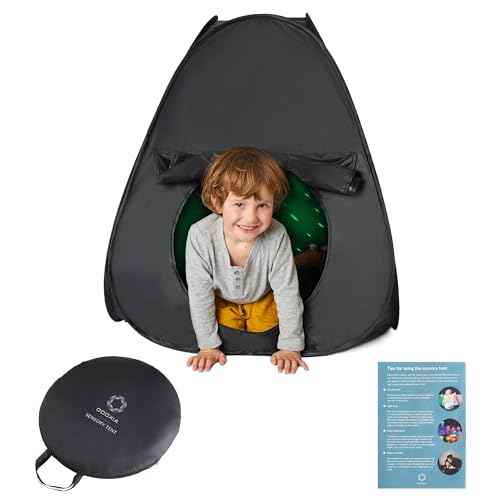
- Space-saving design for smaller calm corners
- Blackout interior supports quiet breaks and light play
- Folds for straightforward storage
Best For: Younger children and classrooms with limited floor space
Small-Space Value

- 30.7 x 30.7 x 34.6-inch footprint
- Blackout interior supports calming and focus
- Quick pop-up setup for flexible classroom use
Best For: Classrooms needing a compact retreat for children ages 3 and up
Certified Blackout Retreat
Large CPC-Certified Sensory Tent

- CPC certified for children
- Full blackout PU-coated fabric
- 47-inch pop-up design with mesh windows
Best For: Larger classroom calm corners needing strong light reduction
Accessory-Rich Calm Corner
Blackout Tent with Lamp and Blanket

- Includes fiber optic lamp
- Comes with glow-in-the-dark blanket
- Compact 36-inch pop-up retreat
Best For: Ages 6–12 needing a ready-made sensory setup
Compact Classroom Retreat

- Designed for classroom calm corners
- Blackout indoor retreat for one child
- Compact 72cm by 72cm footprint
Best For: Small classrooms needing a lightweight single-child retreat
Best Blackout Privacy Pick
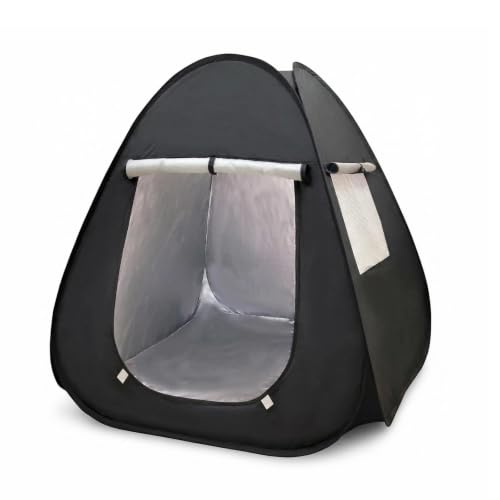
- Full blackout fabric creates a dim, private retreat
- Quick pop-up setup folds flat for storage
- Lightweight design suits classrooms and daycares
Best For: Simple full-blackout quiet corners for children ages 2 to 10
Best Feature-Rich Option

- Remote-controlled multicolor LED lighting
- Mesh windows and inner storage pockets
- CPC-certified, foldable, and portable design
Best For: Classrooms and therapy spaces needing adjustable lighting and sensory-tool storage
Best Certified Classroom Hideout

- CPC-certified children's product
- Blackout curtains with adjustable side windows
- Tool-free pop-up design with one-year defect warranty
Best For: Enclosed classroom quiet spaces needing blackout control and visibility
Top Pick – Extra-Large Blackout Sensory Tent
For classrooms needing a roomy retreat, this 47-inch blackout option is one of the more spacious sensory tents for classrooms. Its dark interior creates a low-stimulation space, while the pop-up design makes it practical to move or store between uses.
Best For: Classrooms that need a larger calming space for children ages 3–12, including light-projector or illuminated sensory activities.
Pros:
- Extra-large 47 x 47 x 47-inch interior accommodates a more spacious hideaway.
- Fully blacked-out interior supports calming, quiet time, and light play.
- Instant pop-up setup, roll-up door and window, storage bag, and 3.4-pound weight support portability.
Cons:
- The larger footprint may require more classroom floor space.
- The blacked-out design may not suit activities requiring natural light.
This is a strong choice when classroom staff want maximum interior room and flexible sensory use. Its portable construction is convenient, but measure the intended corner before ordering.
Light Play Pick – Medium Blackout Sensory Tent
This medium pop-up model offers a contained retreat without the footprint of the largest sensory tents for classrooms. Its full-blackout fabric is designed for calming down, focus time, and use with UV lights, projectors, and other luminous toys.
Best For: Classrooms seeking a medium-sized sensory corner for children ages 3 and up, especially where light play is part of the routine.
Pros:
- 35.4 x 35.4 x 35.4-inch size provides a dedicated enclosed retreat.
- Full blackout fabric helps reduce visual distractions and supports light play.
- Instant pop-up setup creates a calming space in seconds.
Cons:
- The medium size may feel limiting for older or larger children.
- Its plastic frame may be less substantial than metal-framed alternatives.
With a balanced size and simple setup, this tent fits classrooms that want a dedicated calm-down area without committing to the largest model. Its blackout effect is particularly useful for focused light-based activities.
Compact Pick – Mini Blackout Calm Corner Tent
For smaller classroom spaces, this mini model provides a compact enclosed retreat for reading, relaxing, or taking a sensory break. It is among the more space-conscious sensory tents for classrooms and folds away when the calm corner needs to be cleared.
Best For: Younger children ages 3–6 and classrooms needing a small, easy-to-store quiet space.
Pros:
- Small design helps conserve classroom floor space.
- Blackout fabric creates a dark environment for calming and sensory activities.
- Quick pop-open setup and easy folding support frequent classroom use and storage.
Cons:
- The small size may not suit older children or children needing more room.
- The supplied notes do not specify interior dimensions.
This is a practical fit for a compact calm corner, particularly with younger students. Consider the available interior space carefully if children will use it for more than short breaks.
Small-Space Value – Compact Sensory Tent
This small pop-up tent gives classrooms a dedicated hideaway while using less floor space than larger sensory tents for classrooms. The blackout fabric supports calming, focus, and light-play activities, and the instant setup is convenient for shared learning environments.
Best For: Classrooms that want a compact sensory retreat for children ages 3 and up.
Pros:
- 30.7 x 30.7 x 34.6-inch dimensions suit tighter classroom areas.
- Full blackout design helps create a low-distraction environment.
- Pop-up construction sets up quickly for calming breaks or play.
Cons:
- The smaller interior may be less comfortable for older or larger children.
- Its plastic frame may offer less rigidity than a metal frame.
This model makes sense when space efficiency matters most. It provides the core blackout and pop-up features of a classroom sensory retreat, though its compact dimensions should be matched to the students who will use it.
Certified Blackout Retreat – Large CPC-Certified Sensory Tent
For classrooms comparing sensory tents for classrooms, this large pop-up model stands out for its CPC certification, full blackout fabric, and flexible 47-inch cube shape. Mesh windows can improve airflow, while the portable design makes it practical for a calm corner that may need to be packed away.
Best For: Classrooms seeking a larger, highly darkened retreat for children ages 3 and up.
Pros:
- CPC-certified design intended for children
- PU-coated fabric blocks light, including daylight
- Mesh windows support airflow and can be covered with Velcro panels
- Sets up quickly and folds into an 18.5-inch storage bag
Cons:
- Its 47-inch footprint may require more classroom floor space
- The blackout interior may not suit children who prefer a brighter retreat
Choose this model when darkness, size, and portability matter most. Its included storage bag and 3.8-pound weight make it easier to move between locations, while the adaptable interior can accommodate blankets, toys, or calming lights.
Accessory-Rich Calm Corner – Blackout Tent with Lamp and Blanket
This option gives classrooms considering sensory tents for classrooms a ready-to-use calming setup rather than just a tent. The 36-inch pop-up space creates a darker retreat, and the included fiber optic lamp and glow-in-the-dark fuzzy blanket add tactile and visual comfort.
Best For: Children ages 6–12 who benefit from a compact retreat with included sensory accessories.
Pros:
- Includes a fiber optic lamp and glow-in-the-dark fuzzy blanket
- Door helps create a dark space during daytime
- Quick pop-up design with a single supporting pole
- Suitable for bedrooms, living rooms, or classrooms
Cons:
- At 36 inches per side, the interior is smaller than the largest option here
- The manufacturer recommends it for ages 6–12
This is a convenient pick when staff want engaging calming tools included in the package. Its smaller footprint can be easier to place in a busy classroom, though the available interior space is best suited to one child and a limited selection of comfort items.
Compact Classroom Retreat – 78cm Blackout Sensory Tent
Sensory Tent | Pop-up Sensory Black Out Tent with Calming Effect | Kids for Classroom Calm Corner
Check Price On AmazonFor buyers looking at sensory tents for classrooms with limited space, this compact black pop-up tent is designed as a one-child calm corner. Its blackout construction creates a darker indoor retreat, while the lightweight fiberglass frame and 78cm height make it relatively easy to reposition.
Best For: Classrooms needing a compact, single-child break space for ages 3 and up.
Pros:
- Designed specifically for use in classrooms and other indoor spaces
- Blackout design helps create a calming environment in daylight
- Compact 72cm by 72cm footprint suits smaller calm corners
- Can be paired with cushions, blankets, toys, projectors, or UV lights
Cons:
- The 72cm by 72cm interior is intended for one child
- It offers less room than the 47-inch model
- No sensory accessories are listed as included
This model makes the most sense when classroom floor space is the primary constraint. It provides a dedicated, portable retreat without requiring a separate room, but staff will need to supply any preferred comfort items or lighting accessories.
Best Blackout Privacy Pick – Portable Sensory Nook
For classrooms seeking sensory tents for classrooms, this lightweight blackout model creates a private, dim retreat for quiet time, reading, drawing, or emotional regulation. Its pop-up design stores flat and sets up quickly without complicated assembly.
Best For: Classrooms, daycares, and homes needing a simple full-blackout quiet corner for children ages 2 to 10.
Pros:
- Full blackout fabric helps block harsh light and outside distractions.
- Pop-up, foldable design is easy to set up, store, and transport.
- Lightweight 1.8-pound construction supports flexible indoor or outdoor use.
- Can be customized with cushions, blankets, toys, or mood lights.
Cons:
- Its 33.5-by-33.5-by-37.8-inch size may be limiting for older or larger children.
- The enclosed blackout design may require supervision and classroom guidelines for use.
This is a practical choice when privacy and strong light blocking matter most. The medium footprint and quick setup make it easy to add a dedicated calming nook without permanent installation.
Best Feature-Rich Option – LED Calm Corner Tent
Among sensory tents for classrooms, the L’ARCHE model stands out for its built-in battery-powered LED strip, remote control, mesh windows, and storage pockets. It creates a customizable calm corner while remaining foldable and portable for teachers, therapists, or families.
Best For: Classrooms and therapy spaces that want adjustable lighting, airflow, and storage for sensory tools.
Pros:
- Includes multicolor LED lights with dynamic effects and a remote control.
- Two mesh side windows support airflow and visibility.
- Inner pockets hold fidgets, sensory toys, or calming tools.
- Reinforced construction, CPC certification, and a carry bag support regular use.
Cons:
- Batteries for the LED lights are not included.
- The regular 35.4-inch cube may not suit larger users, although a bigger size is listed.
- More features may require extra classroom setup and supervision.
This option offers the most built-in flexibility of the three. Teachers can adjust the atmosphere with lighting while keeping sensory materials organized inside the tent.
Best Certified Classroom Hideout – CPC Blackout Tent
This CPC-certified option is one of the more straightforward sensory tents for classrooms, providing a roughly one-meter enclosed space with blackout curtains and adjustable windows. It is designed for quiet play, relaxation, and use with light-up sensory toys such as projectors or lava lamps.
Best For: Classrooms and bedrooms needing a durable, enclosed blackout space with adjustable viewing and light control.
Pros:
- CPC certification is listed for the children’s product.
- Closed doors and windows block almost all outside light, according to the product notes.
- Side windows allow adults to adjust light and maintain visibility.
- Portable pop-up design requires no tools and includes a one-year manufacturer defect warranty.
Cons:
- The listed vinyl material may feel less soft than polyester alternatives.
- At 35.4 inches on each side, the interior may be compact for older users.
- The notes do not list included lights or sensory accessories.
This tent is a solid fit for buyers prioritizing certification, blackout capability, and simple operation. Its adjustable windows provide a useful balance between a dark retreat and classroom visibility.
How We Picked the Best Sensory Tents for Classrooms
We focused on features that matter in active school environments: interior dimensions, blackout coverage, setup and storage, portability, ventilation, cleaning practicality, and overall suitability for supervised classroom use. We also considered whether each tent works better as a brief regulation station, a quiet reading nook, or a larger retreat for children who need extra room.
Certification claims, included accessories, and product descriptions should be verified with the seller before purchase. A tent is a classroom support tool, not a replacement for an individualized sensory plan or adult supervision.
Quick Comparison
| Feature | What to look for | Best classroom use |
|---|---|---|
| Size | About 30 to 35 inches for compact spaces; up to 47 inches for more room | Match the footprint to the calm corner and student needs |
| Light control | Blackout or heavily shaded fabric | Reducing visual stimulation and creating a predictable retreat |
| Setup | Pop-up construction and collapsible storage | Moving the tent or storing it between activities |
| Accessories | Lights, blankets, or sensory items | Building a more complete calming station |
Key Buying Factors for Sensory Tents for Classrooms
Size and Available Floor Space
Measure the intended area before ordering. A larger 47-by-47-inch tent may feel less confining and accommodate a child with calming tools, but compact models are easier to fit beside shelves, desks, or therapy equipment. Leave enough clearance for entry, supervision, and safe movement around the tent.
Blackout Level and Ventilation
Blackout fabric can reduce visual distractions, but complete darkness is not ideal for every student. Look for practical ventilation and an opening that allows staff to check in easily. Use the tent for short, supervised breaks rather than unsupervised isolation.
Durability, Cleaning, and Storage
Classroom equipment needs to withstand frequent setup, folding, and handling. Favor sturdy seams, reliable pop-up frames, wipeable materials, and a compact carry bag. Check care instructions before using cleaning products on blackout fabric.
Safety and Classroom Fit
Place the tent away from blocked exits, cords, heaters, and high-traffic walkways. Confirm the recommended age, weight limits, and certification information. Establish simple rules for occupancy, time limits, and adult visibility.
Who Should Buy Which Sensory Tents for Classrooms?
- For small calm corners: Choose a compact 30.7- or 35.4-inch model that stores easily and provides a defined retreat.
- For students needing more personal space: Consider a larger 47-inch tent with enough room for comfortable positioning and approved calming tools.
- For classrooms building a themed sensory station: A model bundled with a fiber-optic lamp, glow blanket, or LED lighting may reduce the need to source accessories separately.
- For frequent room changes: Prioritize lightweight pop-up construction, a carry case, and quick folding over extra features.
- For maximum visual reduction: Select a blackout design, while checking ventilation and ensuring staff can supervise use.
The right sensory tent should fit the room, the student’s support plan, and the teacher’s supervision routine. Compare dimensions and safety details carefully, then introduce the tent with clear expectations so it functions as a consistent, supportive calm space.