The best sensory wall panels for children turn unused wall space into an interactive area for touch, movement, discovery, and early learning. Options range from Montessori-style busy boards to textured mats, sequin panels, and themed activity boards.
Our roundup includes 10 designs for different ages, rooms, and play styles, so you can compare materials, installation needs, sensory features, and overall versatility before choosing one.
Best 10 Sensory Wall Panels for Children Picks for 2026
Best Interactive Activity Wall

- 12 interactive activities in one wall panel
- Supports coordination, observation, and logical thinking
- MDF construction with water-based paints
Best For: Indoor playrooms, nurseries, preschools, and classrooms
Best Customizable Texture Set

- 13-piece set with varied tactile textures
- Honeycomb layout can be personalized
- Includes washable mats and Velcro attachments
Best For: Sensory rooms, special-education classrooms, and home use
Best for Creative Sequin Play

- Three framed sequin panels for wall display
- Supports letters, shapes, and pattern making
- Includes wood frames, felt backs, and pins
Best For: Creative play, fine-motor practice, and colorful playrooms
Best Simple Tactile Mats

- Varied textures and vibrant animal-themed colors
- Supports focus, relaxation, and motor skills
- Usable at home, in therapy, or in classrooms
Best For: Flexible tactile play and everyday sensory support
Best All-Around Activity Set

- Nine wooden panels with varied activities
- Builds motor, thinking, and recognition skills
- Suitable for playrooms and group spaces
Best For: Versatile indoor learning walls
Best for Tactile Calm Spaces

- Uses textures and colors for tactile play
- Supports focus, relaxation, and skill building
- Suitable for home, therapy, or classroom use
Best For: Compact sensory and calming areas
Best Soft Wall Design

- Six textures encourage hands-on exploration
- No-drill setup with included nano tape
- Soft whale design suits calm corners
Best For: Tactile calm-down corners and sensory rooms
Creative Sequin Pick
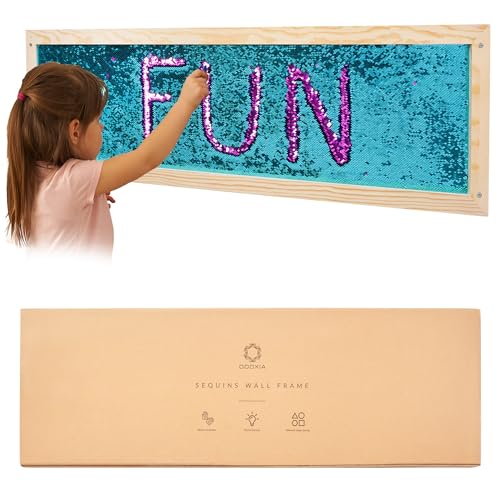
- Large framed flip-sequin surface
- Includes playful stencils
- Designed for indoor creative play
Best For: Children who enjoy tactile, open-ended art
Multi-Texture Learning Set

- Includes 12 tactile squares
- Mixes soft, rough, and bumpy textures
- Works on walls or floors
Best For: Customizable home and classroom sensory corners
Dinosaur Calm-Corner Pick
Interactive Dinosaur Sensory Panel

- 24-by-36-inch themed wall panel
- Includes flip-sequin fabric
- Supports screen-free sensory activity
Best For: Dinosaur-themed playrooms and calm-down corners
Best Interactive Activity Wall – Caterpillar Busy Board
For shoppers comparing sensory wall panels for children, the VEVOR Caterpillar combines 12 interactive activities in one wall-mounted panel. Its colorful animal design, child-sized buttons, and horizontal interlocking installation make it a practical choice for indoor playrooms, nurseries, preschools, and classrooms.
Best For: Children ages 3-12 who benefit from varied, hands-on activities that support early learning and motor development.
Pros:
- Includes 12 interactive games in a single activity wall panel.
- Supports hand-eye coordination, observation, logical thinking, and motor skills.
- Uses MDF with water-based paints and passed testing associated with a Children Product Certificate.
- Designed for relatively straightforward horizontal interlocking installation.
Cons:
- The 14.5-pound panel requires a secure mounting surface.
- Its fixed caterpillar theme may not suit every room or décor.
- Indoor use only, according to the supplied details.
This is a strong all-in-one option when you want multiple tactile and activity-based play opportunities without assembling a collection of separate toys. Confirm the available wall space and mounting setup before buying.
Best Customizable Texture Set – Wooden Sensory Wall Tiles
This 13-piece set takes a modular approach to sensory wall panels for children, pairing pine hexagonal tiles with mats featuring textures from soft to rough and bumpy. The honeycomb layout can be customized for a sensory room, classroom, or home learning area, while washable components help simplify cleanup.
Best For: Children ages 3-12, including learners in special-education or autism-support settings who benefit from varied tactile input.
Pros:
- Includes 13 sensory mats and tiles with multiple tactile textures.
- Honeycomb design allows a more personalized wall arrangement.
- Rounded pine edges and Velcro attachments are designed with stability and comfort in mind.
- Some mats are machine washable, supporting easier hygiene maintenance.
Cons:
- The many interchangeable pieces may require more setup and organization than a fixed panel.
- The supplied dimensions list the individual mats rather than a fully assembled wall footprint.
- Intended for indoor use.
Choose this set if customization and texture variety matter more than a single ready-to-play activity board. Before installation, plan the arrangement and verify that the attachment method suits your wall.
Best for Creative Sequin Play – Flip Sequin Wall Panels
The Wibeelee set offers three framed flip-sequin panels for children who enjoy visual change and hands-on pattern making. Among sensory wall panels for children, it stands out for open-ended creative play: kids can flip the sequins to form letters, shapes, and designs while the wood frames support wall hanging.
Best For: Creative play, fine-motor practice, and visual-tactile activities in homes, classrooms, offices, or playrooms.
Pros:
- Includes three 16.5-by-12.6-inch panels in different color combinations.
- Flip sequins encourage pattern making, focus, patience, and creativity.
- Wood frames and felt backs support wall hanging and note or photo display with included pins.
- Thick plastic sequins are designed to withstand rough play.
Cons:
- Sequins move in one direction and may require extra effort to flip.
- The set emphasizes sequin-based play rather than a broad range of textures or activities.
- The supplied notes do not specify a recommended age range.
This set is a good fit when you want sensory play that doubles as colorful wall décor. It is less suitable if your priority is a multi-activity board or a panel with substantial tactile texture variety.
Best Simple Tactile Mats – Animal Sensory Mats
ODOXIA Sensory Mats provide a straightforward tactile-play option for families and educators comparing sensory wall panels for children. The fabric mats use different textures and vibrant colors, and they can be used at home, in therapy sessions, or in classrooms with cleaning handled by a damp cloth or mild soap and water.
Best For: Children ages 3 and up who need flexible tactile play for relaxation, focus, language, problem-solving, and motor-skill activities.
Pros:
- Combines varied textures with bright colors for multi-sensory play.
- Can support language, problem-solving, and fine- and gross-motor practice.
- Suitable for home, therapy, and classroom environments.
- Designed for simple cleaning with a damp cloth or mild soap and water.
Cons:
- The supplied details do not specify the number or dimensions of individual mats.
- Fabric construction may offer less rigid wall-panel structure than wood-framed alternatives.
- The notes describe flexible use but do not provide specific mounting hardware.
Consider ODOXIA when you want versatile, low-maintenance tactile materials rather than a large electronic or activity-filled board. Check how the mats are intended to attach before planning a permanent wall installation.
Best All-Around Activity Set – 9-Piece Hexagon Busy Board
For shoppers comparing sensory wall panels for children, this nine-piece wooden set stands out as a broad activity center rather than a single-texture panel. Its colorful hexagons include nine activities designed to support hands-on learning, coordination, shape and color recognition, clock skills, and early musical awareness.
Best For: Playrooms, classrooms, nurseries, and daycares that need varied screen-free activities for individual or group play.
Pros:
- Includes nine hexagonal activity panels and 20 mounting screws.
- Supports several learning goals, including motor skills, logical thinking, colors, shapes, and clock recognition.
- Durable wood construction features smooth surfaces and rounded edges.
- Wall mounting helps save floor space and creates a decorative activity display.
Cons:
- Installation requires securely mounting multiple panels to the wall.
- The set is intended for indoor use and does not include battery-powered activities.
This is a flexible choice when you want one wall installation to offer multiple types of play. Its larger panel count makes it particularly practical for shared spaces, although buyers should plan the mounting layout and installation area in advance.
Best for Tactile Calm Spaces – ODOXIA Sensory Texture Mat
Among sensory wall panels for children, the ODOXIA mat focuses on tactile exploration through different textures and vibrant colors. The foam panel can support quiet, hands-on play while helping children practice language, problem-solving, and fine and gross motor skills.
Best For: Homes, classrooms, and therapy settings that want a compact tactile activity for relaxation, focus, and skill development.
Pros:
- Combines varied textures and bright colors for multi-sensory exploration.
- Designed to help children unwind, manage stress, and stay focused.
- Supports language, problem-solving, and fine and gross motor development.
- Can be cleaned with a damp cloth or mild soap and water.
Cons:
- The listed package is a single rectangular foam mat rather than a multi-panel set.
- The supplied details do not specify mounting hardware or a wall-installation method.
This option makes sense if tactile input and calming play are more important than a large collection of mechanical activities. Its compact format may also be easier to incorporate into an existing sensory area, therapy room, or classroom routine.
Best Soft Wall Design – Whale and Baby Sensory Panel
This whale-themed option brings a softer approach to sensory wall panels for children. The set includes a large mama whale assembled from seven pieces plus a baby whale, with six tactile textures that encourage touch, exploration, coordination, and independent screen-free play.
Best For: Calm-down corners, sensory rooms, playrooms, classrooms, daycares, and therapy waiting areas serving toddlers and young children.
Pros:
- Offers six textures, including faux fur, minky, fluffy, woven, bumpy, and shimmery surfaces.
- Includes a distinctive mama-and-baby whale design that also functions as room decor.
- Uses included nano tape for no-drill installation on smooth, flat walls.
- Soft materials, stitched edges, non-slip backing, and ASTM F963 lab testing are specified.
Cons:
- Nano tape installation is specified for smooth, flat walls, which may limit placement options.
- The design is primarily tactile, so it offers fewer structured learning activities than a busy board.
- The large mama whale requires a substantial wall area.
This is a strong pick for buyers who want sensory input combined with an inviting visual centerpiece. The no-drill setup and non-slip backing add flexibility, while the six textures make it suitable for quiet exploration and independent play.
Creative Sequin Pick – Framed Sequin Sensory Wall
For shoppers seeking sensory wall panels for children with a strong creative focus, the ODOXIA Sequin Sensory Wall Frame offers a large, framed surface for flipping sequins, exploring patterns, and creating designs. Its wall-mount format suits kids’ rooms, living rooms, classrooms, and daycare settings.
Best For: Children who enjoy tactile, open-ended art and collaborative sensory play.
Pros:
- Flip sequins create changing colors, patterns, and tactile feedback.
- Includes stencils to support guided play and learning.
- Framed, rectangular wall-hanging design is ready for indoor display.
- Can encourage creativity and shared parent-child activities.
Cons:
- Offers a single sequin-based sensory surface rather than multiple textures.
- The listed finish is unfinished, which may not suit every décor style.
- Indoor use only.
This is a focused option for families or educators who want a visually engaging sequin panel rather than a multi-texture sensory set. Its framed presentation also makes it suitable when appearance matters alongside hands-on play.
Multi-Texture Learning Set – 12-Piece Sensory Wall Panels
This 12-piece set is a versatile choice among sensory wall panels for children, offering varied tactile experiences from soft and squishy to rough and bumpy. The squares can be secured to a wall with the included nano tape or arranged as a sensory area on the floor.
Best For: Homes, classrooms, and cozy corners needing multiple textures for exploratory sensory play.
Pros:
- Includes 12 sensory squares for a broader tactile experience.
- Provides contrasting soft, squishy, rough, and bumpy textures.
- Can be used on walls or floors.
- Recommended for children ages 3 and up and includes nano tape for setup.
Cons:
- Recommended age begins at 3 years, so it is not presented as an infant product.
- Unlike a framed panel, the tiles require arranging and securing.
- The product details do not specify individual texture layouts.
Choose this set when variety and flexible placement are more important than a single finished wall display. The 12-piece format can help create a more customizable sensory corner in either a home or educational setting.
Dinosaur Calm-Corner Pick – Interactive Dinosaur Sensory Panel
Families and educators looking for sensory wall panels for children with a themed design may prefer this dinosaur activity panel. Measuring 24 by 36 inches, it combines hands-on wall play with flip-sequin fabric and is intended for playrooms, classrooms, sensory rooms, and calm-down corners.
Best For: Dinosaur-loving children who benefit from screen-free tactile activity and a dedicated sensory space.
Pros:
- Dinosaur theme can add visual interest to a sensory room or play area.
- Flip-sequin fabric provides touch-and-movement interaction.
- Designed to support fine motor, coordination, focus, and sensory processing practice.
- Its 24-by-36-inch format creates a substantial wall activity surface.
Cons:
- Single-panel design offers less texture variety than a multi-tile set.
- Indoor use only.
- The themed appearance may be less suitable for neutral décor.
This panel is a practical fit when a recognizable theme can help draw a child into hands-on play. It works especially well as one element of a larger sensory setup, alongside mats or floor tiles.
How We Picked These Sensory Wall Panels for Children
We focused on the features that matter most in everyday use: sensory variety, age suitability, construction, installation flexibility, visual appeal, and value. The selection includes busy boards with interactive activities, modular tiles and mats, reversible sequin panels, and themed designs for bedrooms, classrooms, daycares, and calm-down corners.
We also considered whether each style can support independent exploration, guided learning, tactile play, or sensory regulation. Always check the manufacturer’s age guidance and inspect products regularly for loose parts or damage.
Quick Comparison
- Best for active learning: Busy boards and multi-activity panels offer several hands-on tasks in one installation.
- Best for tactile exploration: Textured tiles and sensory mats provide varied surfaces, colors, and shapes.
- Best for visual and tactile feedback: Flip-sequin panels invite repetitive, cause-and-effect play.
- Best for flexible layouts: Individual squares, hexagons, or tiles can be arranged on walls or floors.
- Best for themed rooms: Animal, dinosaur, whale, and other decorative panels combine play with room design.
Key Buying Factors for Sensory Wall Panels for Children
Age and Developmental Fit
Choose activities that match the child’s abilities and interests. Younger children may benefit from simple textures, colors, and large interactive elements, while older children may prefer puzzles, fasteners, gears, or more complex cause-and-effect activities.
Safety and Construction
Look for smooth edges, securely attached components, durable backing, and non-toxic materials where specified. Wall-mounted products should include suitable hardware or be installed with hardware appropriate for the wall surface. Avoid products with accessible small parts for children who may mouth objects.
Sensory Variety
A strong panel offers meaningful contrast, such as soft and firm textures, raised and flat surfaces, visual patterns, or movable features. Children who become overwhelmed easily may do better with a simpler design and a limited number of stimuli.
Installation and Maintenance
Confirm the panel’s dimensions, mounting method, and available wall space. Modular mats are easier to rearrange, while framed boards may provide a more finished appearance. Check whether surfaces can be wiped clean and whether fabric or sequin sections need extra care.
Who Should Buy Which Sensory Wall Panels for Children?
Choose a multi-activity busy board for classrooms, playrooms, or children who enjoy manipulating switches, latches, and moving parts. Pick textured tiles or modular mats when you want to create a customizable sensory area or combine wall and floor activities. Sequin frames suit children who enjoy repetitive, calming hand movements and visual feedback. Themed panels are a practical choice when appearance matters as much as engagement, particularly in bedrooms, daycare rooms, and calm-down spaces.