Finding the best sensory wall panels for teens means balancing tactile interest with durable construction, age-appropriate design, and easy installation. The right panel can add a purposeful way to fidget, explore textures, or reset attention without overwhelming a bedroom, classroom, or therapy space.
This roundup compares 10 sensory panel options, from flip-sequin tiles and wooden activity boards to liquid-motion designs and mixed-texture sets. Use the guide below to narrow your choices by sensory input, layout, maintenance, and budget.
Best 10 Sensory Wall Panels for Teens Picks for 2026
Best All-Around Set
6-Piece Interactive Sensory Wall Panels
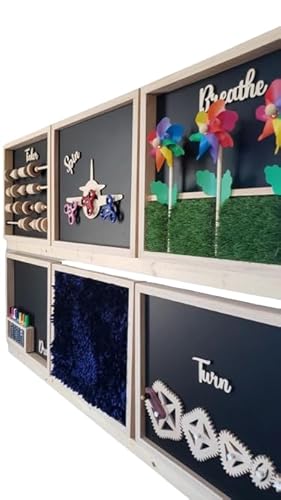
- Six varied sensory and activity boards
- Includes movement, texture, and visual elements
- Designed for indoor rooms, classrooms, and therapy spaces
Best For: A varied indoor sensory setup
Best for Visual Focus

- 12 colorful liquid motion tiles
- Combines pressing, touch, and visual movement
- Suitable for home, school, or therapy spaces
Best For: Press-and-touch visual stimulation
Best for Custom Layouts

- 16-piece DIY combination kit
- Includes textured pads and flip-sequin mats
- Supports wall mounting or floor use
Best For: Rearrangeable sensory-room layouts
Best Compact Texture Option

- Varied textures and vibrant colors
- Lightweight foam design for indoor use
- Wipes clean with a damp cloth or mild soap and water
Best For: Small tactile activity areas
Hands-On Learning Pick

- Nine wooden panels with varied learning activities
- Supports motor, logic, shape, clock, and music skills
- Includes screws for indoor wall mounting
Best For: Structured educational play in homes, classrooms, and playrooms
Compact Tactile Choice

- Three reversible sequin tiles for tactile exploration
- Non-slip backing supports wall, floor, and desk use
- Portable format suits focus and quiet-time spaces
Best For: Teens and adults needing a flexible tactile activity
Customizable Texture Set

- 13-piece set with varied textures and sequin mats
- Honeycomb layout supports photos and sticky notes
- Pine construction includes rounded edges and Velcro attachments
Best For: Custom sensory rooms and special-education settings
Creative Sequin Showcase
ODOXIA Sequin Sensory Wall Frame

- Framed sequin panel for tactile designs
- Includes stencils for creative activities
- Works at home or school
Best For: Teens who prefer visual, hands-on pattern-making
Textured Sensory Variety
12-Piece Sensory Wall Panel Set

- Includes 12 tactile sensory squares
- Textures range from soft to bumpy
- Usable on walls or floors
Best For: Flexible sensory corners with varied textures
Three-Panel Design Studio
Wibeelee Flip Sequin Wall Panels

- Three framed panels in varied colors
- Supports letters, shapes, and patterns
- Felt backs hold notes or photos
Best For: Creative display walls with interactive sequin play
Best All-Around Set – 6-Piece Interactive Sensory Wall Panels
For shoppers comparing sensory wall panels for teens, this six-piece set offers several forms of hands-on interaction in one coordinated collection. The panels are designed around textures, movement, and visual elements, with an approximately 18-by-18-inch format that can suit indoor sensory rooms, classrooms, therapy spaces, or bedrooms.
Best For: Indoor spaces needing a varied collection of tactile and activity-based panels.
Pros:
- Six-panel set supports varied sensory exploration.
- Includes options centered on spinning, breathing, scratching, touching, creating, and counting.
- Suitable for classrooms, clinics, waiting rooms, sensory rooms, and bedrooms.
Cons:
- The manufacturer’s recommended age is listed as 36 months to 3 years, so teen suitability should be considered individually.
- The set is intended for indoor use and manual operation.
This is a flexible choice when you want multiple tactile and visual activities rather than a single type of fidget. Review the listed dimensions and intended user needs before installing it in a teen’s space.
Best for Visual Focus – Hexagon Liquid Motion Tiles
These liquid motion tiles are a focused option for shoppers seeking sensory wall panels for teens that combine visual movement with touch. The 12-piece hexagonal set can be placed in different areas, making it useful for creating several small sensory stations at home, school, or in a therapy setting.
Best For: Teens who enjoy press-and-touch activities with colorful visual motion.
Pros:
- Provides combined visual and tactile stimulation through liquid-filled tiles.
- 12-piece pack supports shared use or placement in multiple areas.
- Designed for children and teens and suited to schools, therapy centers, and relaxation spaces.
Cons:
- The individual tiles are relatively compact at approximately 3 by 5.1 inches.
- The supplied details do not specify mounting hardware or a wall-installation method.
Choose this set if visual motion is likely to hold attention better than a more complex activity board. Its compact tile format also makes it easier to distribute across a room, though wall placement may require your own installation solution.
Best for Custom Layouts – Flip Sequin Sensory Panel Kit
For flexible sensory wall panels for teens, this 16-piece kit lets you build a configuration around the available wall or floor space. It includes nine sensory pads, seven colored flip-sequin mats, wooden frames, and expansion screws, so users can explore different textures while changing the sequin colors with a touch.
Best For: Families, classrooms, or sensory rooms that want a rearrangeable tactile display.
Pros:
- DIY layout includes nine pads, seven flip-sequin mats, and nine wooden frames.
- Flip sequins provide a touch-responsive color-changing activity.
- Frames can be mounted on a wall, while pads can also be used directly on the floor.
- Included screwdriver and screws support installation.
Cons:
- The listed recommended age is not provided in the supplied details.
- The set requires assembly and configuration before wall use.
- Individual components are relatively compact, with listed dimensions of about 8.2 by 0.5 by 9.4 inches.
This is the strongest pick when customization matters. The mix of framed panels, loose-use pads, and flip sequins makes it adaptable, but plan the layout and installation before choosing a permanent arrangement.
Best Compact Texture Option – Multi-Texture Sensory Mat
This compact foam mat is a straightforward option for shoppers considering sensory wall panels for teens in a smaller space. Its varied textures and colors support tactile exploration, while the lightweight design can work at home, in therapy sessions, or in classrooms with cleaning handled using a damp cloth or mild soap and water.
Best For: Compact, single-user tactile activity areas and portable sensory routines.
Pros:
- Uses different textures and vibrant colors for multi-sensory exploration.
- Supports focus, relaxation, and skill development activities.
- Lightweight foam construction weighs approximately 0.3 kg.
- Can be cleaned with a damp cloth or mild soap and water.
Cons:
- The listing specifies one mat rather than a multi-panel set.
- Its approximately 9.45-by-6.22-inch size may provide less coverage than a larger wall system.
- The supplied details describe it for kids, so teen suitability should be assessed based on individual preferences.
Select this mat when you need a simple, easy-to-clean tactile surface rather than a large installation. It is especially practical for a small desk, therapy area, or rotating sensory station.
Hands-On Learning Pick – Hexagon Activity Wall Panels
For shoppers comparing sensory wall panels for teens and older children, this nine-piece wooden set offers a structured, screen-free activity wall with multiple hands-on learning stations. Its colorful hexagon format can add both function and visual interest to an indoor playroom, classroom, or activity area.
Best For: Families, classrooms, and indoor spaces needing several built-in activities for individual or group play.
Pros:
- Nine panels provide varied activities in one wall-mounted set.
- Supports color and shape recognition, hand-eye coordination, motor skills, clock learning, and early musical awareness.
- Wood construction has smooth surfaces and rounded edges.
- Includes 20 screws for wall installation and space-saving use.
Cons:
- The manufacturer’s recommended age range begins at 18 months and extends to 15 years, so it may feel juvenile for some teens.
- Designed for indoor use only.
This is the most feature-rich option of the three, especially when you want a permanent, educational activity center rather than a simple tactile surface. Review the intended users and available wall space before purchasing.
Compact Tactile Choice – Flip Sequin Sensory Mats
These three reversible sequin mats are a compact option for sensory wall panels for teens, particularly when tactile interaction and visual pattern-making matter more than a large activity center. The tiles can be used on walls, floors, desks, or mobile sensory boards.
Best For: Teens, adults, classrooms, therapy spaces, and calm areas that need portable tactile activities.
Pros:
- Reversible sequins encourage swiping, tracing, flipping, and pattern creation.
- Non-slip backing and reinforced edges support use on multiple surfaces.
- Three colorful 7.9-by-7.9-inch tiles can be used separately or arranged together.
- Notes identify the mats for hands-and-feet exploration, focus, quiet time, and ADHD relaxation activities.
Cons:
- The set contains only three tiles, so coverage is limited compared with larger wall systems.
- It does not include a wooden mounting frame or installation hardware.
This is the most age-flexible and space-conscious choice in the roundup. It works well when users want a tactile, visually engaging surface that can move between a wall, desk, floor, or activity board.
Customizable Texture Set – Wooden Sensory Wall Tiles
For buyers seeking sensory wall panels for teens alongside broader classroom or family use, this 13-piece set combines textured mats with a customizable honeycomb-style wooden layout. The different surfaces range from soft to rough and bumpy, while interchangeable sequin mats add visual and tactile variety.
Best For: Sensory rooms, special-education classrooms, and families wanting a customizable textured wall or floor activity.
Pros:
- Includes 13 sensory mats with seven described texture experiences and six interchangeable sequin flip mats.
- Honeycomb design allows customization with photos or sticky notes.
- Smooth pine and rounded hexagonal edges are designed with child safety in mind.
- Velcro attachments help prevent slipping, and the non-sequin mats are machine washable.
Cons:
- The stated target range is children ages 3 to 12, which may be less suitable for older teens.
- The supplied size of each mat is 7.4 by 9 inches, so users should plan the available installation area.
This set offers the broadest mix of textures and customization, making it a practical choice for a dedicated sensory environment. Its stated age range and child-focused design should be considered if the primary users are teenagers.
Creative Sequin Showcase – ODOXIA Sequin Sensory Wall Frame
For shoppers comparing sensory wall panels for teens, the ODOXIA Sequin Sensory Wall Frame is a framed, wall-mounted option focused on creative, tactile interaction. Its reversible sequins provide a changing surface for patterns, designs, and stencil-based activities in a bedroom, classroom, or shared creative space.
Best For: Creative teens who enjoy tactile art, pattern-making, and a visually engaging wall display.
Pros:
- Shimmering sequins encourage hands-on creativity and imaginative design.
- Includes fun stencils for added learning and play activities.
- Framed, rectangular wall-hanging design is suitable for indoor use at home or school.
- Can be set up quickly and used for shared creative activities.
Cons:
- Single-panel format offers less texture variety than a multi-piece sensory set.
- The supplied age description is for kids, so teen suitability may depend on individual interests.
- Its main sensory feature is sequin flipping rather than a range of tactile materials.
This is a good pick when the priority is a polished, art-oriented sensory panel rather than a broad sensory station. The framed format also makes it easier to incorporate into a room’s decor.
Textured Sensory Variety – 12-Piece Sensory Wall Panel Set
If you want sensory wall panels for teens with more texture variety, this 12-piece set provides multiple tactile squares for wall or floor use. The panels are described as ranging from soft and squishy to rough and bumpy, making them suitable for a sensory corner at home or in an educational setting.
Best For: Teens who benefit from exploring different textures in a flexible sensory area.
Pros:
- 12 pieces offer more surface variety than a single wall panel.
- Textures include soft, squishy, rough, and bumpy options.
- Can be arranged on a wall or used as a sensory rug on the floor.
- Includes nano tape for straightforward setup.
Cons:
- The supplied manufacturer age recommendation starts at 3 years, so teen appeal may vary.
- Individual panels are about 9.84 inches square and may require multiple pieces for broad wall coverage.
- The notes do not specify a detailed mounting layout or permanent installation method.
Choose this set when tactile variety matters more than decorative framing. Its modular format lets you create a dedicated sensory zone and adjust the arrangement for the available space.
Three-Panel Design Studio – Wibeelee Flip Sequin Wall Panels
For sensory wall panels for teens that combine tactile play with display potential, the Wibeelee set includes three framed flip-sequin panels in different color combinations. Teens can form letters, shapes, and patterns while also using the felt backs and included pins for notes or photos.
Best For: Teens who enjoy colorful, hands-on design projects and want a sensory display that can also hold reminders or photos.
Pros:
- Three 16.5-by-12.6-inch panels provide a larger creative setup than a single board.
- Color combinations include blue/purple, green/silver, and multicolor/silver.
- Flip sequins support letter, shape, and pattern-making activities.
- Wood frames, felt backs, and included pins add wall-display functionality.
Cons:
- The sequins move in one direction and some may require extra effort to flip.
- This set focuses on sequin texture rather than multiple tactile materials.
- The supplied notes describe the product for kids, so teen suitability depends on personal style and use.
This set stands out for shoppers who want a coordinated trio rather than one panel. The combination of creative sequin work and pin-ready felt backs makes it especially practical for a playroom, study area, classroom, or hobby space.
How We Picked the Best Sensory Wall Panels for Teens
We evaluated these Sensory Wall Panels for Teens by looking at the type and variety of tactile input, construction materials, panel size, installation flexibility, and likely maintenance needs. We also considered whether each set works best as a single feature, a coordinated wall display, or a modular sensory area.
Because sensory preferences vary widely, no single design suits every teen. Products with reversible sequins provide visual and tactile feedback, while textured mats and activity boards offer more varied exploration. Liquid-motion tiles can add calming visual movement, but they may be less interactive than a panel designed for hands-on use.
Quick Comparison
| Panel type | Best for | What to check |
|---|---|---|
| Flip sequin panels | Simple, repetitive tactile fidgeting | Sequin durability and frame strength |
| Textured mat sets | Varied touch and modular layouts | Adhesive or mounting method |
| Wooden activity boards | Hands-on tasks and structured exploration | Moving-part safety and wall stability |
| Liquid-motion tiles | Visual focus and calming movement | Leak resistance and secure mounting |
| Mixed sensory sets | Shared spaces with multiple users | Texture variety, cleaning, and storage |
Key Buying Factors for Sensory Wall Panels for Teens
Sensory Input
Start with the input the teen seeks or tolerates. Choose smooth, repetitive surfaces for low-intensity fidgeting, rough or raised textures for stronger tactile feedback, and visual-motion tiles when watching movement is more useful than manipulating a surface.
Size and Arrangement
Measure the available wall before ordering. Small tiles can be spaced apart or rearranged, while framed boards create a more finished installation but offer less layout flexibility. If the panel may be used on the floor, confirm that the backing and edges are suitable for that placement.
Durability and Safety
Check frame materials, stitching, seams, corners, and moving components. Panels should be securely mounted at an accessible height, especially in busy classrooms or therapy rooms. Avoid products with loose parts if the user may pull, chew, or dismantle components.
Cleaning and Upkeep
High-touch panels need practical cleaning instructions. Fabric, sequins, and textured surfaces can collect dust, while wooden boards may require gentler care. Favor designs that can be wiped or replaced without removing the entire installation.
Who Should Buy Which Sensory Wall Panels for Teens?
Choose a flip-sequin panel for a teen who enjoys repetitive hand movements and visual changes. Select a textured multi-panel set when several sensory surfaces are needed or preferences are still being explored. A wooden activity board is better for structured tasks and purposeful manipulation, while liquid-motion tiles suit users who benefit from visual focus and calming observation.
For shared classrooms, daycare spaces, and therapy rooms, prioritize larger sets with varied surfaces and sturdy mounting options. For a bedroom or compact corner, a smaller framed panel or a few coordinated tiles may deliver useful sensory input without taking over the room. Always match the final choice to the teen’s preferences, supervision needs, and the installation surface.