The best jigsaw puzzles for classrooms combine manageable challenge with meaningful learning. Sets featuring animals, maps, dinosaurs, space, and transportation can support early problem-solving, vocabulary, geography, and fine-motor development.
We compared these 10 options by age suitability, piece size, variety, durability, storage, and usefulness for centers, small groups, rewards, and independent work.
Best 10 Jigsaw Puzzles for Classrooms Picks for 2026
Best Value Classroom Variety
14-Pack Wooden Animal Jigsaw Puzzles

- Includes 14 colorful 30-piece wooden puzzles
- Rounded edges and compact portable format
- Supports early fine motor and problem-solving skills
Best For: Preschool and early elementary activity centers
Best Geography-Themed Set
Animals Around the World Wooden Puzzles

- Six 24-piece puzzles feature global wildlife
- Raised-edge boards help contain pieces
- Includes model sheets for guided play
Best For: Wildlife, geography, and early elementary learning centers
Best for Themed Learning Centers

- Four scenes cover farm, forest, ocean, and Africa
- Large pieces suit young classroom puzzlers
- Storage boxes display completed artwork
Best For: Preschool and kindergarten animal-themed centers
Best for Geography Lessons
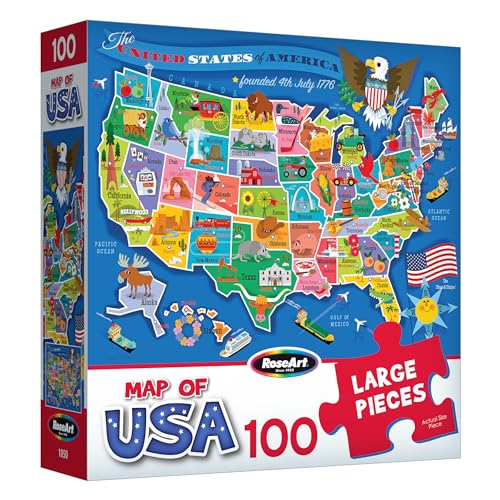
- Shows all 50 states with regional illustrations
- Large pieces and 24-by-18-inch finished size
- Reinforces map skills and spatial awareness
Best For: Elementary geography lessons and small-group work
Best Montessori Starter Set

- Six varied wooden themes for rotating activities
- Supports fine motor and early reasoning skills
- Smooth, non-toxic, safety-tested construction
Best For: Preschool small-group learning centers
Best Classroom Reward Pack
24-Pack 16-Piece Jigsaw Puzzles

- Includes 24 individually wrapped puzzles
- Reference boards support independent assembly
- Beginner-friendly 16-piece format for ages 3+
Best For: Classroom rewards and individual activity stations
Best Portable Storage

- Twelve wooden 60-piece puzzles
- Compact metal boxes keep sets organized
- Animal, space, ocean, and other colorful themes
Best For: Portable centers and older elementary learners
Best All-Around Wooden Set

- Six classroom-friendly themes
- Durable wooden pieces and frames
- Reference images support independent play
Best For: Preschool and early elementary puzzle centers
Best for Preschool Beginners
4-Pack 20-Piece Wooden Puzzles

- Approachable 20-piece designs
- Four engaging preschool themes
- Trays simplify storage and cleanup
Best For: Preschool puzzle introductions and short learning centers
Best for Educational Themes
100-Piece Map and Space Puzzle Set
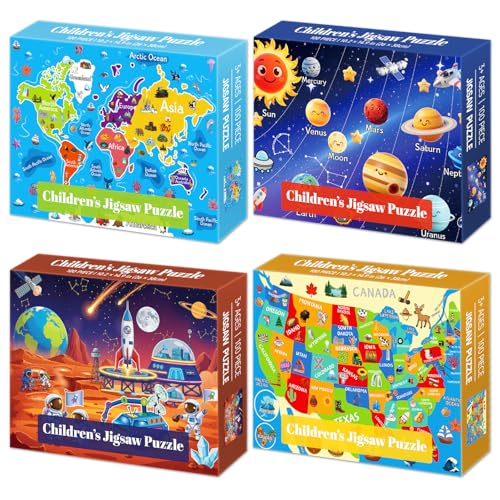
- Map and space topics support lessons
- Four 100-piece puzzles included
- Posters and back letters aid assembly
Best For: Elementary geography and space learning centers
Best Value Classroom Variety – 14-Pack Wooden Animal Jigsaw Puzzles
For classrooms seeking affordable jigsaw puzzles for classrooms, this 14-pack offers plenty of beginner-friendly variety. Each 30-piece wooden puzzle has a colorful animal, dinosaur, vehicle, or space-themed design, making it useful for rotating tabletop activities or small-group centers.
Best For: Preschool and early elementary classrooms, homeschool shelves, and activity centers needing multiple portable puzzles.
Pros:
- Includes 14 different 30-piece wooden puzzles.
- Rounded edges and non-toxic printing are designed for young children.
- Compact 8.8-by-5.8-inch finished size is easy to handle and store.
- Supports hand-eye coordination, fine motor skills, and problem-solving.
Cons:
- Small parts make the set unsuitable for children under 3.
- Each puzzle is designed for one player.
- The beginner-level designs may offer limited challenge for older students.
This is a practical choice when quantity and theme variety matter most. The wooden construction and compact format work well for classroom rotation, though teachers should plan a storage system to keep the 14 sets organized.
Best Geography-Themed Set – Animals Around the World Wooden Puzzles
This six-puzzle set brings an educational theme to jigsaw puzzles for classrooms. Each 24-piece wooden puzzle focuses on wildlife from a different region, giving students an engaging way to explore ecosystems while practicing matching, memory, and fine motor skills.
Best For: Early elementary classrooms, geography or animal units, Montessori-style shelves, and guided wildlife activities.
Pros:
- Six regional puzzles cover wildlife from around the world.
- Illustrations feature more than 100 animal species.
- Wooden boards with raised edges help keep pieces in place.
- Model sheets provide visual support or can be removed for a greater challenge.
Cons:
- All puzzles have 24 pieces, limiting progression in difficulty.
- The set is intended for individual play rather than group assembly.
- Teachers may need to organize the six puzzles separately after use.
With region-based artwork and built-in boards, this set is especially useful when a puzzle station should reinforce classroom content. It offers more subject-specific learning than a general animal puzzle collection.
Best for Themed Learning Centers – Four 30-Piece Animal Puzzles
These four 30-piece cardboard puzzles give classrooms a simple way to build themed activity stations. The scenes—Happy Farm, Magic Forest, Deep Ocean, and Sunny Africa—combine bright artwork with opportunities to discuss animals while students practice concentration, matching, and problem-solving.
Best For: Preschool and kindergarten classrooms, collaborative tabletop play, and rotating animal-themed learning centers.
Pros:
- Includes four distinct 30-piece animal scenes.
- Large 11.4-by-8.3-inch finished puzzles are easy for children to view and handle.
- Storage boxes show the completed artwork for reference.
- Supports animal recognition, logical thinking, patience, and hand-eye coordination.
Cons:
- Cardboard may be less durable than a wooden classroom set.
- Only four puzzles are included.
- The beginner-level 30-piece format may not challenge advanced puzzlers.
This set fits classrooms that want recognizable themes and an easy visual guide for independent work. Its larger format also makes the puzzles approachable for young learners, while the four scenes provide modest rotation between activities.
Best for Geography Lessons – 100-Piece USA Map Puzzle
For older students, this 100-piece USA map is a more content-focused option among jigsaw puzzles for classrooms. The 24-by-18-inch finished puzzle includes all 50 states along with regional landmarks, animals, food, and other illustrations that can support geography discussions.
Best For: Elementary classrooms, homeschool geography lessons, map-skills practice, and family or small-group puzzle work.
Pros:
- Features all 50 states in one large finished map.
- State illustrations add visual cues for landmarks, animals, and regional icons.
- Large pieces are designed for easier handling by young children.
- Supports spatial awareness, memory, and problem-solving.
Cons:
- Only one puzzle is included, so it may not support several groups at once.
- The 100-piece format is better suited to ages 6 and up than preschool learners.
- A large 24-by-18-inch finished size requires adequate table or floor space.
This puzzle is a strong fit when the activity should connect directly to geography instruction. Its large format and illustrated states make it useful for discussion, though teachers should plan for shared use or small groups.
Best Montessori Starter Set – 6-Pack Wooden Animal Puzzles
For classrooms introducing jigsaw puzzles for classrooms, this six-puzzle wooden set offers varied themes and simple hands-on play for young learners. The 60-piece collection includes amusement park, dinosaur, space, farm, animal, and ocean designs, with smooth edges and non-toxic water-based paint.
Best For: Preschool classrooms and small-group activities focused on fine motor skills, shape recognition, and early problem-solving.
Pros:
- Six themed wooden puzzles provide variety for repeated play.
- Designed to support hand-eye coordination, fine motor skills, concentration, and logical thinking.
- Smooth edges and ASTM/CPSIA-tested materials offer classroom-friendly construction.
- Four puzzle boards can support multiple children playing together.
Cons:
- The recommended age information is inconsistent in the supplied listing, so teachers should confirm suitability before use.
- The set has no stated manufacturer warranty.
This is a practical choice when durability and developmental play matter more than a large number of individual puzzles. Its varied themes also make it easy to rotate activities across centers.
Best Classroom Reward Pack – 24-Pack 16-Piece Jigsaw Puzzles
Teachers seeking jigsaw puzzles for classrooms may appreciate this 24-pack of beginner-friendly puzzles. Each 16-piece puzzle includes a matching reference board, measures about 6 by 6 inches, and comes individually wrapped for classroom rewards, party favors, or independent activities.
Best For: Early elementary classrooms needing many affordable individual puzzles for rewards, centers, or take-home activities.
Pros:
- Twenty-four non-repeating designs offer enough units for a larger class.
- Reference boards reduce frustration and help children work independently.
- Thickened card pieces are described as tear-resistant, bend-resistant, and suitable for repeated play.
- Rounded, burr-free edges and ASTM F963/CPSIA compliance support child-friendly use.
Cons:
- Paper construction may be less durable than wood if pieces are heavily handled.
- Sixteen pieces provide beginner-level play rather than a substantial challenge for older students.
- No manufacturer warranty is listed.
The individual wrapping and large quantity make this set especially useful for classroom management. It works well when every student needs a separate, manageable activity rather than one shared puzzle.
Best Portable Storage – 12-Box Wooden Puzzle Set
For classrooms that need portable jigsaw puzzles for classrooms, this set provides 12 wooden 60-piece puzzles, each stored in a compact metal box. The approximately 8.9-by-5.4-inch puzzles feature animal, space, ocean, dinosaur, and mermaid designs for older elementary learners.
Best For: Travel activities, lending libraries, and classroom centers where organized storage and varied 60-piece challenges are priorities.
Pros:
- Twelve puzzles offer multiple themes and opportunities for repeated practice.
- Wooden pieces are described as sturdy and durable.
- Individual metal boxes help organize pieces and support portability.
- Sixty-piece layouts can engage children ages 6 and up while developing concentration and hand-eye coordination.
Cons:
- The 60-piece format may be too challenging for younger or beginner puzzlers.
- The compact boxes may be easier to misplace in a busy classroom.
- No manufacturer warranty is listed.
This set is a strong fit for classrooms serving older children or rotating puzzle stations. The metal-box storage adds practical value for transport, though teachers should label each box to keep sets complete.
Best All-Around Wooden Set – 6-Pack 60-Piece Theme Puzzles
For classrooms seeking reusable jigsaw puzzles for classrooms, this six-pack offers varied themes and sturdy wooden construction. Each 60-piece puzzle has a wooden frame and a removable reference illustration, giving children ages 3–8 structure while they work.
Best For: Preschool and early elementary classrooms needing multiple durable, themed puzzles for tabletop centers.
Pros:
- Includes six themes: dinosaurs, farm, construction vehicles, steppe animals, sea life, and outer space.
- Wooden pieces have polished edges and are designed for repeated use.
- Frames and removable illustrations help keep pieces organized and support independent assembly.
- Large finished puzzles measure approximately 11.8 by 8.8 inches.
Cons:
- Each puzzle has 60 pieces, which may be challenging for some younger preschoolers.
- The set is intended for indoor tabletop play and may require storage space for six puzzles.
With six subjects and durable wood pieces, this is a flexible choice for rotating classroom stations. Its frames and guide images are especially useful when students are still developing matching and spatial-reasoning skills.
Best for Preschool Beginners – 4-Pack 20-Piece Wooden Puzzles
These beginner-friendly jigsaw puzzles for classrooms use 20-piece designs and wooden trays to make setup and cleanup manageable. The four themes give preschool students approachable practice with problem solving, fine-motor coordination, and visual matching.
Best For: Preschool classrooms introducing puzzle work through short, accessible tabletop activities.
Pros:
- Four themes cover dinosaurs, animals, space, and transportation.
- Twenty-piece formats are sized for young children building early puzzle confidence.
- Wooden storage trays and removable illustrated guides help organize each activity.
- Smooth, rounded edges are designed for safe handling.
Cons:
- The smaller 20-piece format may provide less challenge for older elementary students.
- Only four puzzles are included, so larger classes may need to share or rotate them.
This set is a practical starting point for preschool puzzle stations. The low piece count and built-in trays reduce frustration and simplify classroom cleanup, while the varied subjects help maintain interest.
Best for Educational Themes – 100-Piece Map and Space Puzzle Set
For classrooms that want jigsaw puzzles for classrooms to reinforce geography and space topics, this four-pack combines USA and world maps with solar-system and Mars designs. The 100-piece cardboard puzzles offer a more substantial challenge for children ages 4–10.
Best For: Elementary classrooms using puzzles to complement map, geography, and outer-space units.
Pros:
- Includes USA map, world map, solar system, and Mars Adventure themes.
- Each puzzle contains 100 pieces and measures 15 by 10 inches when complete.
- Thickened cardboard, precision cutting, and bright printing support repeated tabletop use.
- Reference posters and letters on the backs can make assembly easier.
Cons:
- One hundred pieces may be too demanding for some younger preschool students.
- Cardboard construction may be less resistant to moisture and rough handling than wood.
- The educational themes are narrower than sets with animals or everyday subjects.
This set stands out when puzzle time should connect with classroom content. Its larger piece count supports sustained concentration, while the map and space imagery can extend geography and science discussions.
How We Picked the Best Jigsaw Puzzles for Classrooms
We focused on puzzles that give teachers practical flexibility rather than simply selecting the most complex sets. The roundup includes wooden and cardboard designs, assorted piece counts, themed artwork, multi-pack formats, and options suited to preschool through early elementary learners.
Our main criteria were age guidance, piece size, construction, educational relevance, repeat-play value, and classroom logistics. Multi-packs received particular attention because several students can work at once, while themed puzzles can reinforce lessons or provide purposeful center activities.
Quick Comparison
| Best For | Look For | Why It Helps |
|---|---|---|
| Preschool centers | 16–30 large pieces | Short, achievable activities |
| Small-group practice | Several identical or themed puzzles | Reduces waiting and supports collaboration |
| Early elementary learning | 60–100 pieces and educational images | Adds challenge and reinforces content |
| Rewards or take-home activities | Compact boxes or individual sets | Easy distribution and storage |
Key Buying Factors for Jigsaw Puzzles for Classrooms
Age, Piece Count, and Challenge
Match difficulty to the students’ developmental level. Younger children generally benefit from fewer, larger pieces and clear images. Older or more experienced puzzlers may be ready for 60- or 100-piece designs. A mixed classroom may need several difficulty levels so students can work independently without becoming frustrated.
Materials and Durability
Wooden pieces often withstand frequent handling and are easier for small hands to grip, while thick cardboard can offer more detailed artwork at a lower cost. Check whether pieces are large enough to reduce loss and whether each set includes a dedicated box, tray, or other storage solution.
Educational Themes
Choose imagery that supports current instruction when possible. Maps can complement geography, animal puzzles can encourage classification and discussion, and dinosaur, space, or transportation themes can prompt vocabulary and storytelling. Avoid relying on educational labeling alone; the image should still be clear and engaging.
Classroom Management
Multi-packs are useful for stations, partner work, and large groups, but only if pieces can be sorted and counted efficiently. Label boxes or bags by set, establish a cleanup routine, and consider selecting puzzles with distinct backs or artwork to make misplaced pieces easier to identify.
Who Should Buy Which Jigsaw Puzzles for Classrooms?
Preschool teachers should prioritize large-piece wooden or thick-cardboard sets in the 16- to 30-piece range. Teachers running rotating centers may prefer six- or multi-pack collections with varied themes. For geography or science units, map, solar-system, animal, and transportation designs provide a stronger connection to lessons. If puzzles will be used as prizes, take-home activities, or occasional finishers, compact individual boxes are usually the easiest to distribute and store.
Ultimately, the best choice depends on your students’ abilities, available table space, and how often the puzzles will be reused. A small mix of easy, moderate, and advanced sets gives most classrooms the greatest flexibility.