Emotional regulation flashcards can make big feelings easier to name, discuss, and manage. The right set can support calming routines, classroom SEL, therapy sessions, and at-home coping practice.
In this roundup, we focused on practical sets with clear visuals, useful coping prompts, and age-appropriate formats for children, teens, and special needs learners.
Best 10 Emotional Regulation Flashcards Picks for 2026
Most Comprehensive Emotion Set
50-Feelings Flipbook with Coping Skills

- 50 different emotions for wider labeling practice
- Double-sided cards add coping skills on the back
- Portable flipbook comes with 2 rings
Best For: Kids who need a broad feelings set with coping prompts
Best for Calm-Down Practice
16 Calming Strategy Cards on a Ring

- Includes breathing, yoga, and meditation prompts
- 16 pre-punched cards are easy to carry
- Works well for calm-down corners and quick practice
Best For: Young kids who need simple calming routines
Most Durable Practice Set
32 Monster-Themed Double-Sided Emotion Cards

- Laminated, waterproof, and bend-resistant cards
- Emotion side plus coping strategy side
- Includes ring for classroom, home, or travel use
Best For: Therapy, special education, and frequent daily use
Best Classroom-Style Set
56 Double-Sided Emotion Cards with Teaching Tips
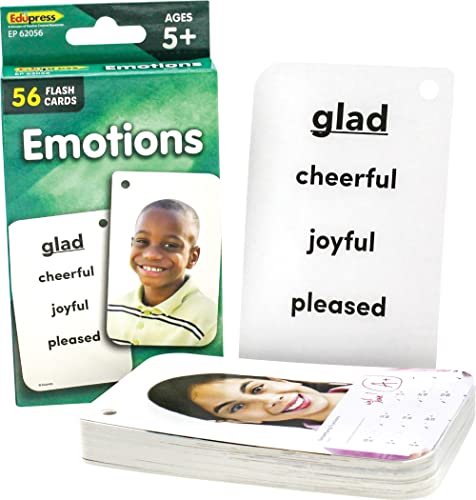
- Largest card count in this roundup at 56
- Double-sided cards include teaching tips
- Hole-punched for easy storage and organization
Best For: Classroom and preschool emotion-identification lessons
Kid-Friendly Somatic Support
Somatic Therapy Cards for Kids

- 52 kid-focused somatic coping activities
- Backs explain when to use and why it works
- Durable cards with calming watercolor art
Best For: Kids ages 6–12, parents, therapists, and classrooms
Emotion-Skill Practice Game
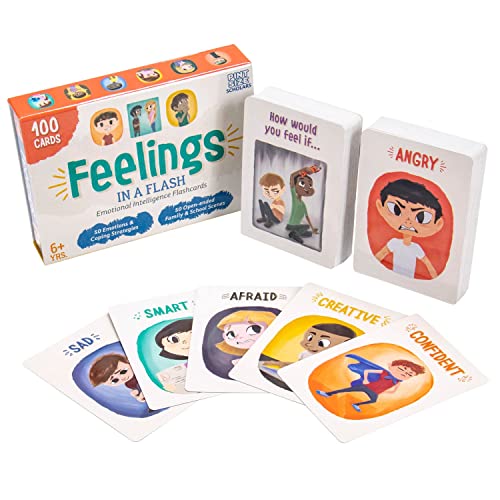
- 50 scenario cards and 50 emotion faces
- Coping suggestions support positive responses
- Good for families, classrooms, and counselors
Best For: Preschool and elementary kids, including special needs learners
Portable DBT Skill Coach

- 25-card DBT toolkit for practical coping
- Two-sided cards explain steps, goals, and examples
- Includes keychain ring and pouch for portability
Best For: Teens, adults, and therapists needing quick DBT support
Feelings Made Tangible
Feelings & Emotions Puzzle Cards

- 24 double-sided puzzle cards for matching feelings
- Bright visuals support preschool SEL and focus
- One-correct-match design adds problem-solving practice
Best For: preschoolers ages 3+ learning emotions through matching
DBT Skills in Your Pocket

- Covers mindfulness, emotion regulation, distress tolerance, and interpersonal effectiveness
- Double-sided cards add examples and step-by-step guidance
- Pocket-sized format includes a keychain for portability
Best For: adults seeking portable DBT coping support
Calm Corner Support

- 32 cards with a ring for easy flipping and travel
- Includes breathing, visualization, and movement prompts
- Fits calm corners, therapy spaces, and classroom brain breaks
Best For: kids who need simple mindfulness and self-regulation routines
Most Comprehensive Emotion Set – 50-Feelings Flipbook with Coping Skills
If you’re shopping for emotional regulation flashcards that do more than name feelings, this 50-card set gives kids both emotion पहचान and coping ideas in one portable flipbook. The cartoon-style faces make moods easier to recognize, while the double-sided format turns each card into a quick teaching moment for home, therapy, or classroom use.
Best For: Parents, teachers, and therapists who want a large emotion set with built-in coping strategies for kids with autism, ADHD, or general social-emotional learning.
Pros:
- Includes 50 different emotions for broad vocabulary practice
- Double-sided design pairs feelings with coping skills
- Compact, lightweight, and comes with 2 rings for sorting
- Clear fonts and vivid illustrations work well for adults leading lessons
Cons:
- Cardstock build is useful for portability, but not as rugged as laminated options
- Larger set may be more than needed if you only want a few basic moods
This is a strong choice if you want emotional regulation flashcards that can grow with a child’s vocabulary and support practical skill practice, not just labeling. The flipbook format makes it easy to use in short daily check-ins or on the go.
Best for Calm-Down Practice – 16 Calming Strategy Cards on a Ring
For buyers who want emotional regulation flashcards focused on calming routines, this compact ring set keeps the lesson simple and portable. The cards cover breathing, yoga poses, meditation, and other calming strategies, making them easy to pull out during transitions, classroom moments, or a calm-down corner.
Best For: Preschool and early elementary kids who need a small, easy-to-carry set of calming strategy cards.
Pros:
- Includes 16 pre-punched social-emotional reference cards
- Covers breathing techniques, yoga poses, and meditation support
- Comes on a book ring for on-the-go use
- Designed for positive thinking and communication practice
Cons:
- Focuses on calming strategies rather than a wide range of emotions
- Smaller card count may feel limited for more advanced SEL work
This set is a practical pick if your main goal is to give kids repeatable tools for settling down, not a large emotion vocabulary. Its ring-bound format makes it especially convenient for quick access in busy settings.
Most Durable Practice Set – 32 Monster-Themed Double-Sided Emotion Cards
These emotional regulation flashcards use monster faces to make feelings practice feel more engaging for kids, teens, and even adults. Each double-sided card pairs an emotion with coping methods or vocabulary tips, so the set works as both a feelings chart and a hands-on regulation tool for home, school, or therapy sessions.
Best For: Families, educators, and therapists looking for a durable, laminated emotion card set for autism, ADHD, and special education support.
Pros:
- 32 monster-themed cards help keep attention high
- Double-sided layout adds coping strategies and vocabulary tips
- Laminated, waterproof, and bend-resistant for durability
- Includes a ring for easy sorting and portability
Cons:
- Smaller card size may be less ideal for group display
- Theme style may not suit buyers who prefer a more neutral look
If durability matters as much as content, this set stands out among emotional regulation flashcards. It combines sturdy construction with practical skill-building, making it a useful choice for repeated use in busy settings.
Best Classroom-Style Set – 56 Double-Sided Emotion Cards with Teaching Tips
If you want a straightforward classroom-friendly option, these emotional regulation flashcards focus on emotion recognition with a generous 56-card count. The double-sided format and included teaching tips make them a practical fit for preschool settings, small group lessons, or simple home practice.
Best For: Teachers and parents who want a larger set of basic emotion flashcards with built-in teaching support.
Pros:
- 56 durable, double-sided cards provide plenty of practice
- Teaching tips are included for adult-led instruction
- Hole-punched cards are easy to organize and store
- Card size is comfortable for classroom and tabletop use
Cons:
- Focuses on emotion identification more than coping strategies
- Listed age details are broad, so buyers may want to confirm fit for their use case
This set is best when you need a dependable, no-frills emotion card deck for repeated use. It is less specialized than coping-skill sets, but the larger card count and teaching tips add real value for guided practice.
Kid-Friendly Somatic Support – Somatic Therapy Cards for Kids
If you’re shopping for emotional regulation flashcards that feel more like play than a lesson, this deck is built for younger kids who need gentle, visual support. The 52 illustrated cards focus on mindfulness, grounding, breathwork, and body awareness, with practical notes on when to use each exercise and why it works.
Best For: Parents, therapists, teachers, and school counselors who want a calm-down tool for kids ages 6–12.
Pros:
- 52 somatic activities help kids connect feelings with body-based coping skills.
- Card backs explain both when to use the exercise and the science behind it.
- Whimsical watercolor art keeps the cards approachable and calming.
- Durable cardstock, rounded corners, and storage box make it classroom-friendly.
Cons:
- Designed for children, so it may feel too simple for older users.
- Focuses on somatic exercises rather than a broad skills curriculum.
This is a strong pick if you want emotional regulation flashcards that are easy for kids to engage with and easy for adults to explain. The therapist-designed format works well in calm-down corners, counseling sessions, or at home when emotions run high.
Emotion-Skill Practice Game – Feelings in a Flash
For buyers who want emotional regulation flashcards that also spark conversation, this deck combines scenario cards with matching emotion faces. It’s aimed at younger children and special needs learners, using open-ended prompts and coping suggestions to build empathy, communication, and basic self-management.
Best For: Preschool and elementary-age children, including special needs learners, who benefit from guided feelings practice.
Pros:
- 50 scenario cards plus 50 emotion face cards create lots of practice options.
- Emotion cards include coping suggestions to support positive choices.
- Open-ended prompts encourage conversation, empathy, and expression.
- Works for family play, classrooms, and counseling settings.
Cons:
- Less structured than a true skill-by-skill curriculum.
- Primarily built for younger children rather than teens or adults.
This deck is a good fit if your priority is helping children name feelings and practice responses in a simple, approachable format. It’s more of a social-emotional learning game than a formal training tool, which may be exactly what some families and educators need.
Portable DBT Skill Coach – DBT Skills Coaching Cards
If you want emotional regulation flashcards for older users, this DBT deck is the most skills-focused option here. The 25 cards cover mindfulness, distress tolerance, emotion regulation, and interpersonal effectiveness, with front-side steps plus back-side guidance, examples, and goals for practical application.
Best For: Teens and adults who want a compact DBT reference for daily coping and therapy support.
Pros:
- Covers all four core DBT modules in a compact 25-card set.
- Two-sided format adds the goal, when-to-use guidance, and a real-life example.
- Keychain ring and pouch make the cards easy to carry and organize.
- Clean, minimal layout is designed for quick use during stress.
Cons:
- Less suitable for kids or beginners who need more visual, playful framing.
- Smaller deck means fewer cards per topic than larger educational sets.
This deck stands out for people who want a pocketable, practical tool rather than a game-style learning aid. It’s especially useful if you want clear DBT reminders that can be reviewed quickly in real situations or used alongside therapy.
Feelings Made Tangible – Feelings & Emotions Puzzle Cards
If you want emotional regulation flashcards that feel hands-on and age-appropriate, this puzzle-card set gives young children a simple way to connect feelings with real-life images. The matching format keeps the activity practical for preschool learning, SEL practice, and calm-down routines at home or in class.
Best For: Preschoolers ages 3+ who learn best through matching games, visual cues, and guided emotion practice.
Pros:
- Uses 24 double-sided puzzles to build emotional awareness through matching.
- Unique puzzle shapes create only one correct match, adding problem-solving practice.
- Bright illustrations help keep young learners focused and engaged.
- Works well for home, classroom, homeschool, or counseling use.
Cons:
- Designed for younger children, so older kids may outgrow the format quickly.
- Focuses on matching and emotion recognition rather than step-by-step coping strategies.
Overall, this is a sturdy, visually engaging option if you want emotional regulation flashcards that introduce feelings in a concrete, easy-to-grasp way. It is strongest as an early SEL tool rather than a more advanced coping deck.
DBT Skills in Your Pocket – DBT Skills Coaching Cards
For adults who want emotional regulation flashcards with a more structured approach, this DBT card set turns core skills into quick, practical prompts. The double-sided format explains each skill, shows when to use it, gives examples, and outlines simple steps you can try in under five minutes.
Best For: Adults and office workers who want portable DBT-based support for stress relief and coping.
Pros:
- Covers four DBT modules: mindfulness, emotion regulation, distress tolerance, and interpersonal effectiveness.
- Double-sided cards include when-to-use guidance, examples, and try-it steps.
- Compact size and included keychain make the deck easy to carry.
- Designed for quick use during stressful or overwhelming moments.
Cons:
- Content is aimed at ages 12+ and may be less useful for younger children.
- Best suited to people already interested in DBT-style coping tools.
This is a strong pick if you want a portable, skills-based deck that goes beyond simple emotion naming. It works best as a pocket reference for real-world coping rather than a beginner kids’ activity.
Calm Corner Support – Mindfulness Cards for Kids
These emotional regulation flashcards are built for kids who need short, calming prompts they can actually use in daily routines. With breathing, visualization, movement, and mindfulness activities, the deck supports calm-down kits, classroom brain breaks, therapy sessions, and transitions like mornings or bedtime.
Best For: Kids who benefit from simple mindfulness routines, sensory-friendly supports, and SEL practice in classrooms or at home.
Pros:
- Includes 32 cards plus a ring for easy flipping and portability.
- Offers breathing, visualization, and movement prompts for coping practice.
- Useful for calm corners, peace corners, therapy spaces, and brain breaks.
- Supports daily routines that help children feel grounded and secure.
Cons:
- Focuses on mindfulness activities, so it is less about direct emotion labeling.
- Designed for children, so it may not suit teens or adults looking for more advanced tools.
As a kid-friendly regulation deck, this set stands out for its simple routines and classroom-ready flexibility. It is a solid choice if you want emotional regulation flashcards that fit naturally into both learning and calming spaces.
How We Picked the Best Emotional Regulation Flashcards
We looked for sets that do more than define emotions. The strongest Emotional Regulation Flashcards combine clear feeling labels with coping strategies, simple instructions, and formats that are easy to use in real-life moments. We also considered age range, visual clarity, card durability, and whether the set supports individual practice, group activities, or guided therapy work.
Quick Comparison: What to Expect
Some sets focus on basic emotion recognition, which is ideal for younger children and early SEL. Others add mindfulness prompts, DBT-based coping tools, or somatic activities for deeper regulation practice. Puzzle-style cards and game formats can be more engaging for toddlers, while guided coaching cards may be better for older kids and teens who need structured reflection.
Key Buying Factors for Emotional Regulation Flashcards
Age and Reading Level
Choose simple facial expressions and short prompts for preschoolers and early elementary learners. For older children, teens, or therapy use, look for cards that include more detailed coping language, goals, or example situations.
Type of Support Included
Not all Emotional Regulation Flashcards serve the same purpose. Some help identify feelings, while others teach calming strategies, body-based regulation, mindfulness, or social problem-solving. If your goal is practical coping, look for sets that include specific actions rather than only emotion names.
Visual Design and Usability
Clear illustrations, large text, and a consistent layout make a set easier to use during stressful moments. Double-sided cards, ring formats, and portable packs can be especially helpful for classrooms, therapy bags, and travel.
Durability and Setting
For frequent use, sturdier card stock or laminated styles are worth prioritizing. Teachers, therapists, and parents may also want cards that work well in calming corners, one-on-one sessions, or small-group activities.
Who Should Buy Which Emotional Regulation Flashcards?
If you want a simple introduction to feelings, choose a basic emotion card set. If you need hands-on coping practice, pick flashcards with mindfulness, somatic, or DBT strategies. For toddlers and special needs learners, game-like or puzzle-based options can increase engagement. For teens and therapy settings, structured coaching cards usually offer the most depth and flexibility.
The best Emotional Regulation Flashcards are the ones you can actually use consistently. Start with the format that matches the learner’s age, attention span, and support needs, then choose the card style that fits your routine.