Finding the right game can make social learning feel natural instead of forced. The best picks build communication, turn-taking, emotion recognition, and conversation skills through play.
Below, we focus on options that work well for home, classroom, therapy, and special education settings, with choices for different ages, skill levels, and learning goals.
Best 10 Social Skills Board Games for Autism Picks for 2026
Skill-Building Starter
Social Skills Board Games for Ages 5-8

- 4 games in one set
- Targets empathy, manners, and friendship
- Built for home or classroom play
Best For: Kids ages 5-8 needing structured social practice
Emotion Practice Pick
Happy or Not Bingo Feelings Game

- Bingo game focused on emotions and feelings
- Includes 6 boards, 54 cards, and manual
- Works for therapy, counseling, and home use
Best For: Kids practicing emotion recognition with adult support
Simple Classroom Choice
Didax Social Skills Board Game

- Basic social skills board game
- Made by educational publisher Didax
- Minimal details, simple format
Best For: Buyers who want a simple, no-frills option
Flexible Feelings Game
Who's Feeling What? Social Emotional Set
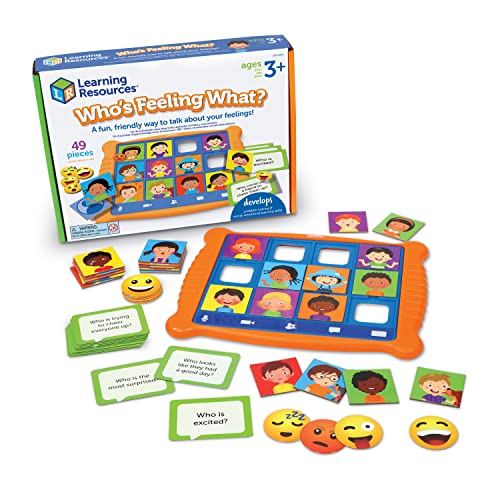
- Customizable emotion-matching game
- Includes activity guide and 49 pieces
- Designed for ages 3+ with 2 players
Best For: Younger kids learning emotion recognition
Therapy-Focused Pick

- CBT-inspired play for emotional awareness
- Designed by an experienced therapist
- Good for home, school, or counseling use
Best For: Structured social-emotional learning for kids
Conversation Starter
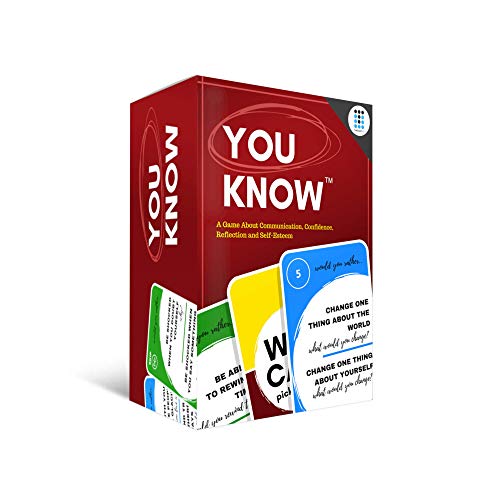
- Conversation-based game for meaningful dialogue
- Supports self-esteem and positive reflection
- Good for families, schools, and therapy groups
Best For: Icebreakers and relationship building
Emotion Play Pick
Garybank Emotional Dart Activities

- Hands-on emotional regulation and social practice
- Includes 56 emotion cards and multiple activity modes
- Useful for therapy, school, or homeschooling
Best For: Active learners who enjoy movement-based play
Conversation Builder
Chat Chains Social Skills Game

- 150 conversation starters across structured card types
- Progressive difficulty supports autism, ADHD, and anxiety
- 15-minute format works well for therapy or family use
Best For: Guided conversation practice for kids and teens
Folder Games Set
Key Education Social Skills Activities
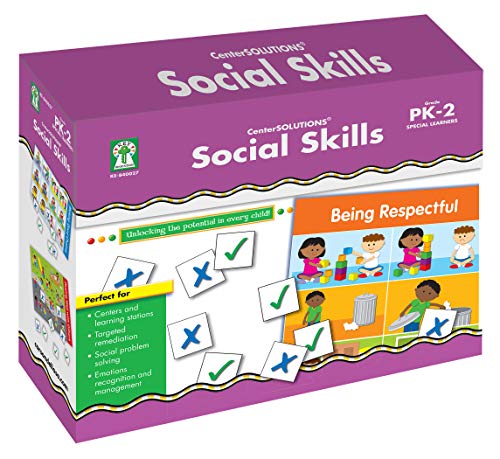
- 15 file-folder games with answer keys and guide
- Targets emotions, conversation, and problem solving
- Easy to customize for one-on-one or small-group use
Best For: Visual social-emotional learning for younger kids
Emotion Stack Game
Garybank Emotion Tower SEL Game

- Blends block stacking with 56 emotion cards
- Supports emotion recognition, coping, and storytelling
- Good fit for autism, ADHD, and therapy use
Best For: Hands-on emotion practice for kids age 6+
Skill-Building Starter – Social Skills Board Games for Ages 5-8
If you want social skills board games for autism that mix learning with play, this 4-game set is a practical place to start. It focuses on empathy, friendship, manners, and emotional understanding, while offering a variety of action and sentence-building activities to keep kids engaged.
Best For: Children ages 5-8 who benefit from structured, classroom-friendly social skills practice at home or in school.
Pros:
- Includes 4 different board games for varied play.
- Targets empathy, friendship, manners, and emotional understanding.
- Comes with counters, spinner, die, and answer sheet for complete setup.
- Suitable for both family and classroom use.
Cons:
- Designed for ages 5-8, so older kids may outgrow it quickly.
- Best suited to children who enjoy guided, rule-based games.
Overall, this set is a straightforward educational option when you want a broad introduction to social learning through play. Its mix of game types gives it more replay value than a single-topic activity.
Emotion Practice Pick – Happy or Not Bingo Feelings Game
For shoppers comparing social skills board games for autism, this bingo-style emotions game stands out for its focus on recognizing feelings in real scenes. It is designed as a social-emotional learning activity that can also work for counseling, speech therapy, ABA therapy, and occupational therapy settings.
Best For: Kids who need help identifying emotions and practicing social-emotional skills with therapist- or parent-led guidance.
Pros:
- Uses emotions cards and feelings cards in a bingo format.
- Includes 6 boards, 54 cards, and a detailed manual.
- Created with input from a speech-therapist mom, per the notes.
- Useful for home play, counseling, speech therapy, and therapy sessions.
Cons:
- Requires adult guidance for the strongest learning value.
- Focused more on emotion recognition than broad board-game variety.
This is a solid pick if your main goal is emotional awareness and not just general game play. The built-in manual and real-scene approach make it especially practical for structured learning sessions.
Simple Classroom Choice – Didax Social Skills Board Game
If you need a no-frills option in the social skills board games for autism category, this Didax board game is a straightforward pick. The provided details are limited, but it is positioned as a social skills board game from an educational manufacturer, which may suit basic classroom or therapy use.
Best For: Educators or therapists looking for a simple social skills board game without extra setup details.
Pros:
- Clearly identified as a social skills board game.
- Made by Didax, a known educational brand.
- Easy to use, according to the notes.
- Packaged in a relatively large format for storage and transport.
Cons:
- Supplied product details are sparse compared with the other options.
- No gameplay components or age-specific learning goals are listed in the notes.
This is the most basic listing in the group, so it makes sense if you want a simple educational board game and do not need a highly detailed feature set. Buyers wanting a more clearly defined skill focus may prefer one of the other choices.
Flexible Feelings Game – Who's Feeling What? Social Emotional Set
This social-emotional learning game is a flexible choice for families or classrooms shopping for social skills board games for autism. It helps kids match callers with feelings, and its double-sided cards let you create a new game board each time, which adds variety without changing the core skill focus.
Best For: Younger children age 3+ who are learning to recognize emotions and talk about feelings.
Pros:
- Supports emotion recognition and understanding.
- Includes 12 double-sided caller cards and 12 double-sided emotion prompt cards.
- Lets you design a new game board every time you play.
- Comes with an activity guide for home or classroom use.
Cons:
- Only supports 2 players, so group play is limited.
- More of an activity set than a traditional board game.
As an emotion-focused learning tool, this set offers strong replay value thanks to its customizable card setup. It is a good match when you want a simple, repeatable way to practice feelings and communication skills.
Therapy-Focused Pick – CBTrail Therapy Game for Kids
If you’re comparing social skills board games for autism, this CBT-inspired option is built around emotional awareness, positive behavior, and simple reflection. It uses guided play to help kids connect thoughts, feelings, and actions, which makes it a practical choice for home, classroom, or therapy settings.
Best For: Parents, counselors, and therapists looking for a structured social-emotional learning game for kids.
Pros:
- Uses an ABCD-style CBT approach to support emotional awareness.
- Designed by an experienced therapist with autism learning materials in mind.
- Works for group therapy, classrooms, calming corners, or family game night.
- Includes a board, cards, and tokens with durable cardboard construction.
Cons:
- Focuses more on emotional intelligence than on fast-paced gameplay.
- Requires guided discussion to get the most from the therapy prompts.
- Small parts may be a consideration for younger children.
This is a strong pick if you want a therapy-minded game that emphasizes self-confidence, regulation, and conversation rather than just competition.
Conversation Starter – You Know Social Skills Games
For shoppers seeking social skills board games for autism that encourage talk and connection, this card-based game is a straightforward choice. It centers on meaningful conversation, self-esteem, and positive reflection, making it useful when you want an easy icebreaker for kids, teens, or mixed-age groups.
Best For: Families, teachers, and therapists who want a simple conversation game that supports relationship building.
Pros:
- Built around thoughtful questions that promote meaningful conversation.
- Works well for family game night, small groups, and counseling settings.
- Supports self-esteem, positivity, and relationship building.
- Includes a jumbo double deck with 108 cards for 2-6 players ages 7+.
Cons:
- Less of a board game experience and more of a card conversation game.
- Best suited to players who are comfortable answering open-ended prompts.
- May feel repetitive if used frequently without variation.
This is a practical low-prep option when your main goal is to open communication and build confidence through guided discussion.
Emotion Play Pick – Garybank Emotional Dart Activities
This play-based option stands out among social skills board games for autism because it combines emotion cards, dart-style activity, and guided prompts into one hands-on format. It is designed to help kids practice emotional identification, empathy, and expression in a way that feels active and engaging.
Best For: Kids who learn best through movement-based emotional learning activities.
Pros:
- Includes 56 emotion cards with real-life faces to support emotion recognition.
- Offers four activity styles, including emotional storytelling and emotion imitation.
- Easy to set up with a hanging board, dice, sticky balls, and hooks.
- Suitable for families, counselors, therapists, schools, and homeschooling.
Cons:
- More activity-based than traditional board-game style play.
- Requires wall or hanging setup for the dartboard component.
- May be less appealing to children who prefer quiet tabletop games.
Choose this if you want an interactive emotional regulation tool that turns social practice into a more active game experience.
Conversation Builder – Chat Chains Social Skills Game
If you’re comparing social skills board games for autism, Chat Chains is a structured conversation game that keeps sessions short and approachable. It uses 150 conversation topics, progressive difficulty, and a simple points system, making it a practical option for kids, teens, and mixed-ability groups at home, school, or in therapy.
Best For: Therapists, parents, and teachers looking for a fast, flexible conversation game for autism-friendly social practice.
Pros:
- Includes 150 conversation starters with activity, prompt, response, and topic cards.
- Designed by child psychologists and used by therapists and educators.
- Progressive difficulty helps support a range of abilities, including autism, ADHD, and social anxiety.
- 15-minute playtime makes it easy to fit into counseling, class, or family routines.
Cons:
- Requires verbal participation, so it may be less suited to very low-verbal players.
- Best in guided settings rather than as a completely free-form game.
Chat Chains stands out when you want a quick, conversation-first tool that supports social-emotional learning without feeling heavy or clinical. It’s a strong pick for building confidence through repeated, structured practice.
Folder Games Set – Key Education Social Skills Activities
For shoppers browsing social skills board games for autism in a classroom-friendly format, this Key Education set offers hands-on file-folder activities built around emotion recognition, conversation, and problem solving. The games are easy to set up, can be used one-on-one or in small groups, and are designed to support children from preschool through grade 2.
Best For: Young children who need simple, visual social-emotional learning activities for home, school, or therapy.
Pros:
- Includes 15 fold-open learning mats plus coordinating pieces and answer keys.
- Supports social problem solving, emotion management, and communication skills.
- Can be customized for targeted remediation and different ability levels.
- Useful for parents, teachers, and counselors in multiple settings.
Cons:
- More of a file-folder activity set than a traditional board game.
- Best suited to younger children, especially preschool to grade 2.
This set is a strong match if you want structured, visual practice with clear teaching value. It leans heavily toward classroom and therapy use, which makes it especially useful for children who benefit from predictable, guided learning.
Emotion Stack Game – Garybank Emotion Tower SEL Game
If you want social skills board games for autism that feel more like play, Garybank Emotion Tower blends a classic block-stacking activity with emotion cards. Kids draw a card, match it to the blocks, and use the prompt for emotion storytelling, recognition, and conversation, which makes the learning feel active and approachable.
Best For: Kids age 6+ who learn best through hands-on emotion matching and simple guided play.
Pros:
- Combines 56 wooden blocks with 56 real-life emotion cards.
- Supports emotional awareness, coping skills, and social-emotional learning.
- Works for one or more players and can be used in therapy or family settings.
- Made from natural wood with non-toxic paint for a durable, kid-friendly feel.
Cons:
- Less focused on conversation depth than card-based social skills games.
- Block-stacking play may be a better fit for kids who enjoy active, hands-on tasks.
Emotion Tower is a smart choice when you want a tactile game that opens the door to emotional discussion without relying on long verbal exchanges. Its mix of visual cues and simple gameplay makes it easy to bring into counseling, classroom, or home routines.
How We Picked These Social Skills Board Games for Autism
We prioritized games that support core social learning goals such as identifying emotions, practicing conversation, improving turn-taking, and building confidence in group play. We also looked for age fit, ease of setup, replay value, and whether the activity could work in one-on-one or small-group settings.
Because Social Skills Board Games for Autism are often used by parents, therapists, and teachers, we favored options that are flexible enough for different support needs and classroom or home use.
Quick Comparison
Some games lean more toward emotion recognition and feeling vocabulary, while others focus on conversation starters, collaboration, or social problem-solving. Simpler formats may be better for younger children or beginners, while more open-ended games can suit older kids and teens who need practice with discussion and perspective-taking.
If your goal is early learning, look for visual prompts and clear rules. If you want deeper practice, choose games that encourage explanation, reflection, and back-and-forth interaction.
Key Buying Factors for Social Skills Board Games for Autism
Skill Focus
Match the game to the learner’s primary need: emotions, manners, communication, coping, or peer interaction. A good fit keeps frustration low and engagement high.
Age and Developmental Level
Age ranges matter, but developmental readiness matters more. A game should feel approachable without being overly simplistic or too verbally demanding.
Visual and Instructional Support
Many learners benefit from clear visuals, short rules, and predictable turn structure. Strong prompts can make social learning easier to access.
Group Size and Setting
Some games work best in therapy or classroom groups, while others are better for family play. Think about how often the game will be used and with how many players.
Flexibility and Replay Value
Choose games that can be reused with different prompts or discussion questions. That helps extend learning beyond a single session and keeps the activity useful over time.
Who Should Buy Which Social Skills Board Games for Autism?
For younger children, pick simpler emotion-based or manners-focused games with visuals and concrete prompts. For elementary-age learners, choose activities that blend turn-taking with communication and emotional regulation. For older kids and teens, conversation and connection games often provide the most meaningful practice.
If you are building a home or classroom toolkit, a mix of structured and open-ended Social Skills Board Games for Autism usually gives the best balance of teaching support and natural interaction.